
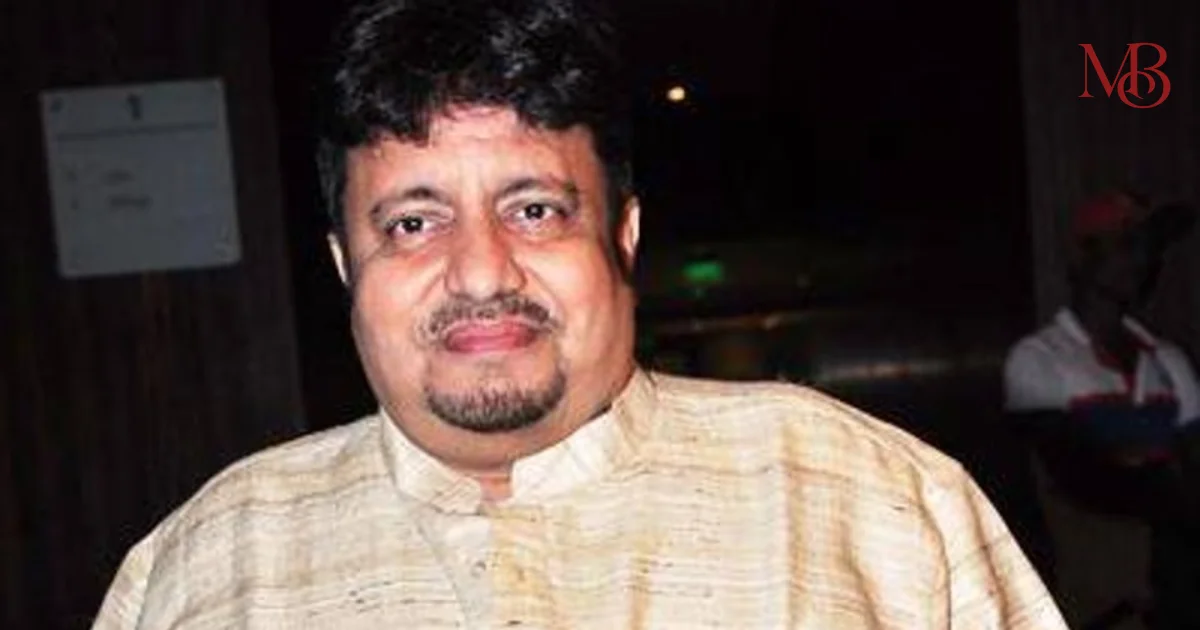
There are some names that echo through generations the stars we see, the directors we celebrate, the songs we hum. And then, there are names that fade quietly into the background, even though their work never does. Neeraj Vora belongs to the latter.
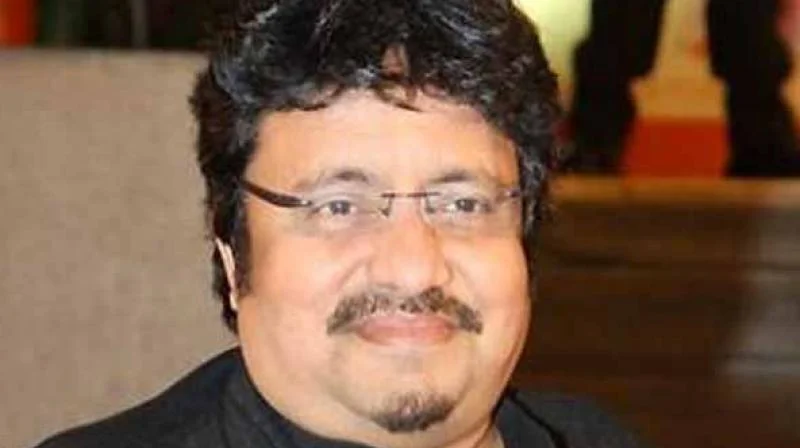
He wasn’t the face on a movie poster, nor the one taking a bow on stage. Yet, he was the reason behind some of Bollywood’s most unforgettable laughter. Hera Pheri. Phir Hera Pheri. Rangeela. Golmaal. These weren’t just films; they were moods entire eras of comedy that still make us laugh today.
And behind that timeless humour was a man who understood the Indian pulse better than anyone else who found humour not in mockery, but in humanity. He gave us characters that felt like people we knew the landlord next door, the friend who always has a scheme, the neighbour who borrows sugar and advice alike.
But somehow, somewhere, Neeraj Vora’s name slipped away from the limelight he so rightfully deserved. Today, we remember him the quiet genius who gave Bollywood its biggest smiles.
The Comedy Architect Of Bollywood’s Golden Era
Before the era of memes and stand-up comics, when comedy relied purely on writing and timing, Neeraj Vora was already at work, redefining what made India laugh.
He began as a writer in the 1990s a time when Bollywood was drenched in melodrama and over-the-top action. But Neeraj brought in something new: situational humour. His writing didn’t rely on gags or slapstick; it came from characters, circumstances, and dialogue that reflected the quirks of real life.
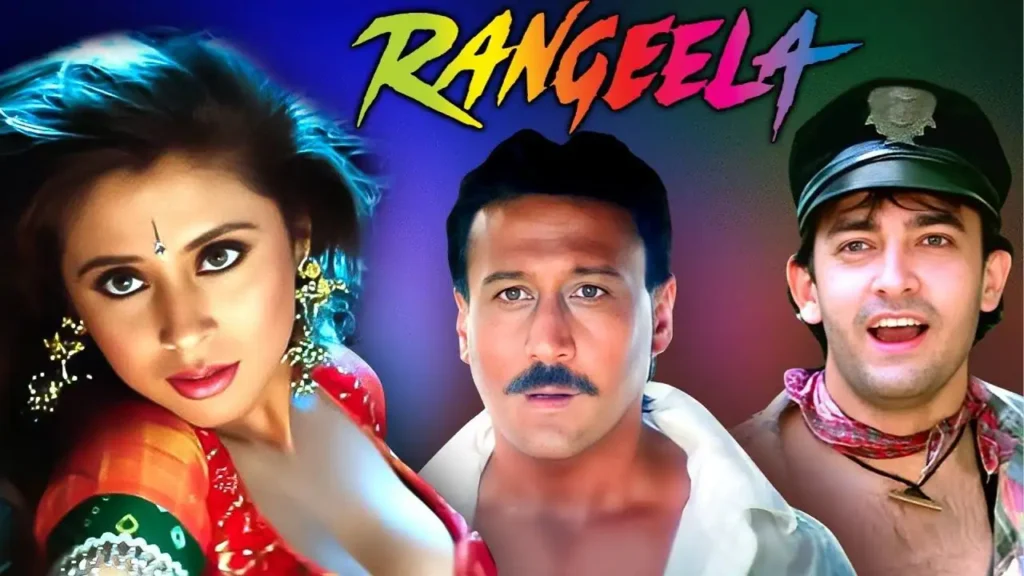
Take Rangeela (1995). While the film is remembered for Aamir Khan’s performance and A.R. Rahman’s music, its streetwise charm came from Neeraj’s dialogues. He captured the raw Mumbai lingo with such authenticity that it felt like you could smell the cutting chai and hear the chaos of local trains through his words.
Then came Hera Pheri (2000) a film that didn’t just make people laugh; it changed the language of comedy in India.
The Man Behind Hera Pheri’s Chaos
Let’s be honest, Hera Pheri isn’t just a film anymore; it’s a feeling. It’s the movie we turn to on a bad day, the one we can quote without effort, the one that still trends in meme culture decades later.
But few realise that the heartbeat of Hera Pheri came from Neeraj Vora’s pen. While Priyadarshan directed it, it was Neeraj’s dialogues and screenplay that gave the film its eternal soul.
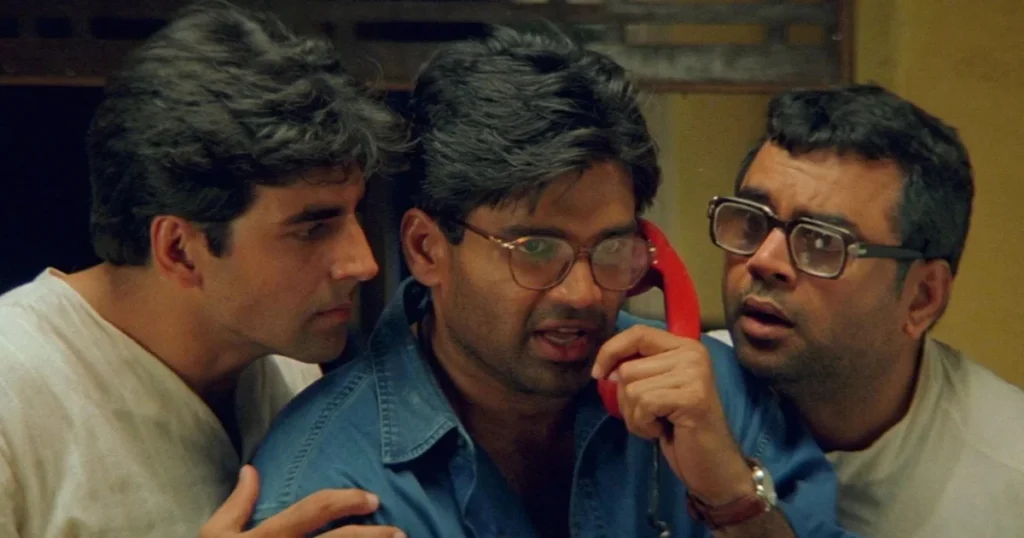
“Utha le re baba!”
“Paresh Rawal ke bina toh Hera Pheri adhuri hai.”
These lines, these moments, they weren’t just written; they were lived. Neeraj had a rare gift: he could find humour in chaos, empathy in absurdity, and charm in simplicity.
He once said in an interview that the funniest moments often come from the toughest realities. Maybe that’s why Hera Pheri worked, it was about ordinary people in extraordinary confusion. It wasn’t polished comedy; it was life, served with laughter.
The Director Who Made Confusion An Art Form
By 2006, when Neeraj directed Phir Hera Pheri, he had fully evolved into a storyteller who could balance madness with method. Directing that sequel was no easy task expectations were sky-high, and the characters had already become legends. Yet, Neeraj pulled it off with effortless flair.
He turned confusion into a rhythm, chaos into choreography. His direction had the timing of a clock and the warmth of a storyteller. The result? Another cult classic.
Behind the scenes, he was known for his calm energy. Actors like Paresh Rawal and Akshay Kumar often said that Neeraj had a way of making everyone laugh on set not through jokes, but through his presence. He didn’t shout instructions; he inspired laughter naturally, like it was part of who he was.
The Actor Who Always Stole A Smile
Even if you don’t know his name, you’ve probably seen his face.
Neeraj Vora acted in over 25 films sometimes as a shopkeeper, sometimes a landlord, sometimes a bystander with impeccable comic timing. His cameo in Rangeela as the endearing landlord or his role in Bol Bachchan as the theatre manager these were small appearances, but unforgettable ones.
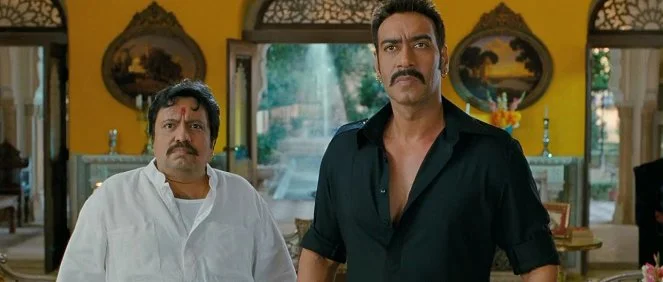
He was never flashy, never over the top. His humour was subtle the kind that crept up on you and left you smiling long after the scene ended.
That’s what made him special, he never needed the spotlight. His work spoke loudly enough.
The Humble Heart Behind The Genius
Those who knew Neeraj personally describe him as gentle, warm, and endlessly giving. He was that rare kind of artist who celebrated others more than himself.
He never sought validation or awards. His joy came from seeing people laugh not from being praised for it. Friends remember how he’d arrive on set early, quietly rewrite a scene to make it funnier, and then sit back to watch the actors shine.
He didn’t want fame; he wanted flow. He wanted to make storytelling effortless and joy contagious.
And he did for over two decades.
A Sudden Silence: The Stroke That Changed Everything
In October 2016, the laughter stopped. Neeraj Vora suffered a severe brain stroke and slipped into a coma. The news barely made headlines, but within the industry, it was felt deeply.
Filmmaker Firoz Nadiadwala, one of Neeraj’s closest friends, turned a part of his house into a makeshift hospital. He personally oversaw Neeraj’s treatment for over a year, refusing to give up hope. The film fraternity visited often, some came quietly, some stayed long hours reminiscing about the old days.
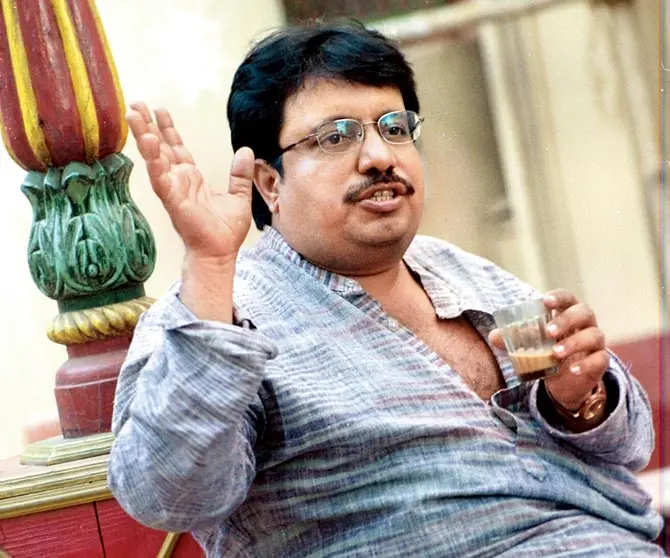
But Neeraj never woke up. On 14 December 2017, he passed away at the age of 54, leaving behind scripts, unmade films, and an ocean of memories.
It was a heartbreaking end for someone who gave the world so much joy. The silence that followed was louder than any applause he had ever received.
The Legacy That Refuses To Fade
It’s easy to think of comedy as light, but Neeraj Vora’s writing had depth. His humour was never cheap or mocking. It was kind, layered, and deeply observant.
He understood that laughter isn’t just about jokes, it’s about recognising ourselves in others. His characters were flawed but lovable; his dialogues silly but profound. Even today, when new-age filmmakers talk about balancing humour with heart, they’re unknowingly chasing the balance Neeraj mastered decades ago.
Every time a writer pens a dialogue that feels “real” or a filmmaker tries to blend comedy with emotion, Neeraj’s spirit is in the room.
Why Bollywood Owes Him A Standing Ovation
In an industry that celebrates faces more than minds, Neeraj Vora was an unsung hero. His writing shaped the DNA of modern Bollywood comedy, yet his name rarely appears in mainstream conversations.
He proved that you don’t need a superstar to make a film iconic, you just need a story that feels alive. Without Neeraj, there might never have been the golden age of Bollywood comedy that made the early 2000s so unforgettable.
Bollywood owes him more than credits. It owes him remembrance.
The Invisible Thread Between Laughter And Love
Neeraj once said to a friend, “Comedy is not about making fun of others. It’s about laughing with them.”
That’s what set him apart. His humour didn’t come from cruelty or cynicism, but it came from empathy. He could take life’s hardest truths and turn them into something light. Something that said, “It’s okay to laugh at your troubles; they’ll seem smaller that way.”
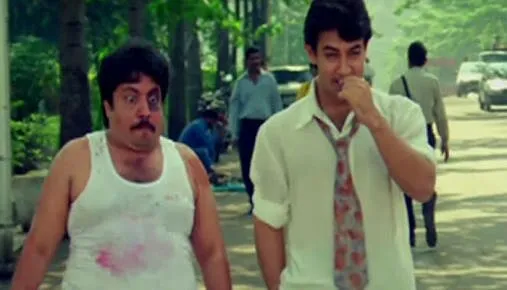
That’s what Hera Pheri was all about three broke men trying to get through life, and somehow, we saw ourselves in them. That’s Neeraj’s legacy he turned struggle into laughter and laughter into hope.
A New Generation Discovers Him
Ironically, Neeraj Vora is more alive today than he was in his lifetime at least in spirit. Every Hera Pheri meme, every viral clip, every nostalgic rewatch on a lazy Sunday is a quiet tribute to him.
Younger audiences who might not even know his name are quoting his lines, laughing at his timing, and keeping his humour alive in the digital age. That’s the beauty of art, even when the artist fades, the laughter doesn’t.
Maybe that’s what Neeraj would’ve wanted not fame, but forever relevance.
Also Read: Remembering Satish Shah: The Man Who Made Us Laugh, Think, and Feel
The Laughter Lives On
In a world obsessed with recognition, Neeraj Vora was content with resonance. He didn’t need fame to validate his art he just wanted people to laugh.
Today, when Hera Pheri reruns play on television or someone shouts “Yeh Babu Rao ka style hai!” across a college corridor, Neeraj’s legacy smiles back at us. His stories live not in awards or obituaries, but in the everyday laughter of millions who’ve never even heard his name.
He may have left quietly, but his laughter echoes loudly across decades, screens, and hearts.
Because true artists never really leave. They just turn into the stories that make the world a little lighter.
FAQs
Q1. Who Was Neeraj Vora?
Neeraj Vora was an Indian writer, director, and actor best known for creating cult comedies like Hera Pheri, Phir Hera Pheri, and Rangeela.
Q2. What Are His Most Famous Works?
He wrote or contributed to films like Rangeela, Hera Pheri, Phir Hera Pheri, Golmaal, Awara Paagal Deewana, and Ajnabee.
Q3. Did He Act Too?
Yes. Neeraj appeared in several films, including Rangeela, Bol Bachchan, Hello Brother, and Daud, often in memorable comic roles.
Q4. What Happened To Him?
He suffered a brain stroke in 2016, slipped into a coma, and passed away in December 2017 after over a year of treatment.
Q5. Why Isn’t He More Popular?
Because Neeraj preferred creativity over fame. He stayed behind the scenes, letting his work shine brighter than his name.