
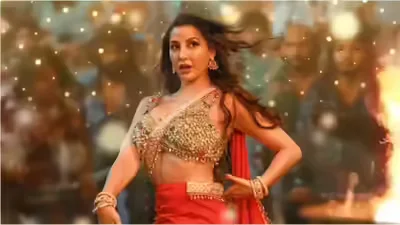
The Nora Fatehi Song Controversy has taken over headlines, social media feeds, and dinner table debates almost overnight. What started as the release of a glamorous dance number quickly spiralled into a national discussion involving censorship, artistic freedom, and performer consent. For many who are just catching up, the situation might seem confusing, layered, and a little dramatic and honestly, it is all of that and more.
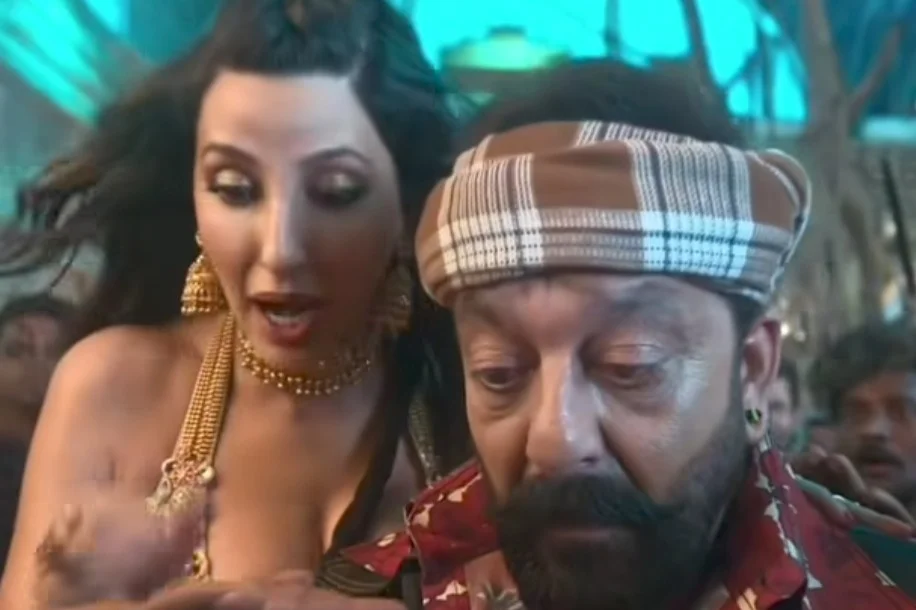
At its core, the Nora Fatehi Song Controversy revolves around a song that was criticised for its lyrics, visuals, and accessibility to younger audiences. But peel back the surface, and you’ll find a far more complex narrative involving legal complaints, government intervention, and Nora Fatehi herself stepping forward to clarify her side of the story.
What Sparked The Controversy?
The issue began with the release of a song titled “Sarke Chunar Teri Sarke” from an upcoming film. Almost immediately, viewers took to social media to express discomfort over what they described as overly suggestive lyrics and visuals.
While Bollywood has a long history of bold dance numbers, critics argued that this one crossed a line. The concern was not just about sensuality, but about how directly it was presented and how easily it could be accessed by a wide audience, including minors.
Within days, the Nora Fatehi Song Controversy escalated from online criticism to formal complaints.
From Social Media Outrage To Legal Action
What makes the Nora Fatehi Song Controversy stand out is how quickly it moved beyond the internet. Complaints were filed with authorities, alleging that the song promoted obscenity and objectification.
Soon, organisations and commissions stepped in, urging action. The matter didn’t stop there, it reached governmental attention and was even discussed at higher levels. This transformed what could have been a short-lived controversy into a full-blown national debate.
As a result, the song was removed from major platforms, marking a rare instance of swift and decisive action.
Why Did This Song Trigger Such Strong Reactions?
One might wonder why this particular song caused such an uproar when similar content has existed for years. The answer lies in a combination of factors:
1. Changing Audience Sensibilities
Modern audiences are more vocal and critical. While bold content is still consumed, it is now also questioned more deeply.
2. Social Media Amplification
A single clip can now travel faster than ever. What might once have gone unnoticed can now become a trending topic within hours.
3. Accessibility Concerns
The ease with which content reaches all age groups has made people more sensitive about what is publicly available.
The Nora Fatehi Song Controversy sits right at the intersection of these evolving dynamics.
Nora Fatehi Breaks Her Silence
Just when the debate seemed one-sided, Nora Fatehi stepped forward and her statement added a surprising twist.
She revealed that:
- The song was shot several years ago, not recently
- She did not approve the final version that was released
- There were language barriers, as the original shoot was in another language
- She had concerns about possible unauthorised edits and even AI involvement
This shifted the tone of the Nora Fatehi Song Controversy significantly. It was no longer just about the content of the song, but also about creative control and consent.
The Question Of Responsibility
The controversy raises an important question:
Who is responsible when a piece of content becomes problematic?
Is it:
- The performer?
- The director?
- The producers?
- Or the platform distributing it?
In the case of the Nora Fatehi Song Controversy, the lines appear blurred. Nora’s statement suggests that performers may not always have full control over the final output, especially when projects evolve over time.
Will The Ban Last Forever?
History suggests that bans like these are rarely permanent.
There are a few possible outcomes:
- A re-edited version with toned-down lyrics could be released
- The controversy may fade over time, allowing the song to return quietly
- Or it may remain a case study in censorship and content responsibility
The Nora Fatehi Song Controversy is still unfolding, and its final chapter has yet to be written.
Also Read: Facing Population Collapse: How Falling Fertility Rates are Shaping the Future
A Larger Debate Beyond One Song
What makes this situation truly interesting is how it reflects broader cultural shifts.
The Nora Fatehi Song Controversy is not just about one performance. It is about:
- The evolving definition of entertainment
- The balance between freedom and accountability
- The growing role of audience voices in shaping media
In a way, this controversy acts like a mirror reflecting not just the industry, but society itself.
The Nora Fatehi Song Controversy is a reminder that in today’s world, content does not exist in isolation. Every song, video, or performance enters a space where audiences are active participants, not passive viewers.
Also Read: Who Is Krish Arora, The 10-Year-Old Kid Who Beat Albert Einstein And Stephen Hawking In IQ Test?
What began as a dance number has turned into a layered discussion about art, responsibility, and control. Whether the song returns or not, the conversations it has sparked are likely to linger far longer.
Frequently Asked Questions (FAQs)
Q1. What is the Nora Fatehi Song Controversy about?
It is about backlash against a song criticised for its suggestive lyrics and visuals, leading to legal complaints and a ban.
Q2. Why was the song removed from platforms?
Authorities took action after complaints regarding obscenity and its impact on public audiences.
Q3. What did Nora Fatehi say about the controversy?
She claimed she did not approve the final version and that it was released without her consent.
Q4. Is the song permanently banned?
Not necessarily. It may return in an edited version or after the controversy fades.
Q5. Why did this controversy become so big?
Social media amplification, changing audience sensitivity, and official intervention all contributed to its scale.