
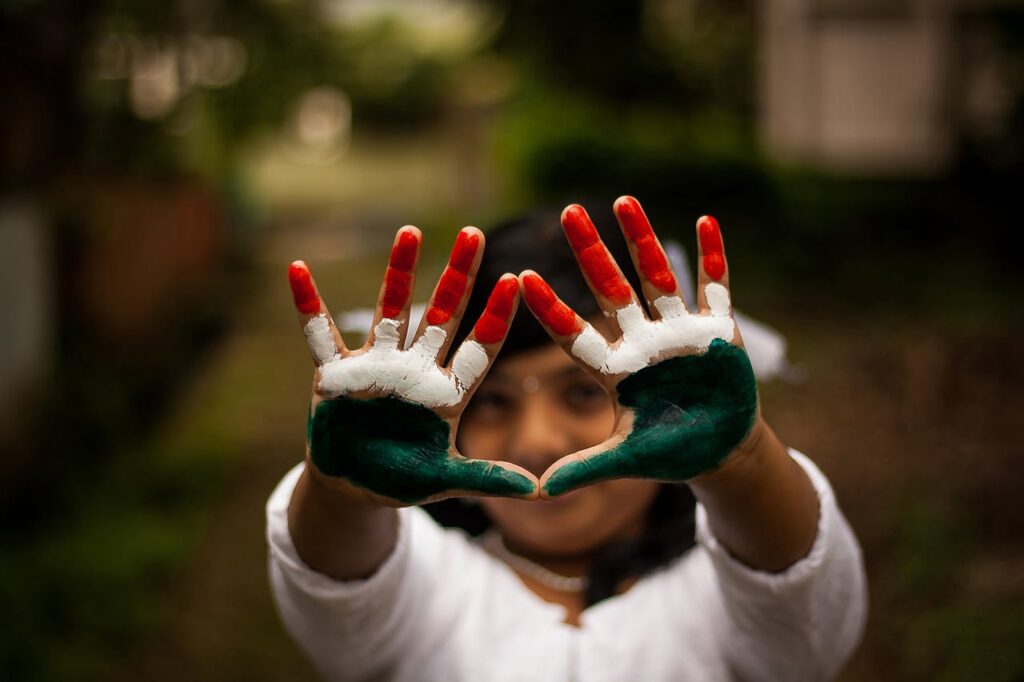
Every January 26, India unfurls its flag with regal pride and collective heartbeats, commemorating the day the Constitution of India came into force in 1950. Republic Day isn’t just a celebration of democratic spirit and civic duty, it’s a stage where India’s tricolour meets the world’s eyes, ears, and handshake. One of the most closely watched pieces of this grand pageant is the chief guest, the foreign dignitary invited to witness the Republic Day Parade and attend state functions. That choice is never ceremonial alone; it’s diplomatic alchemy with real geopolitical weight.
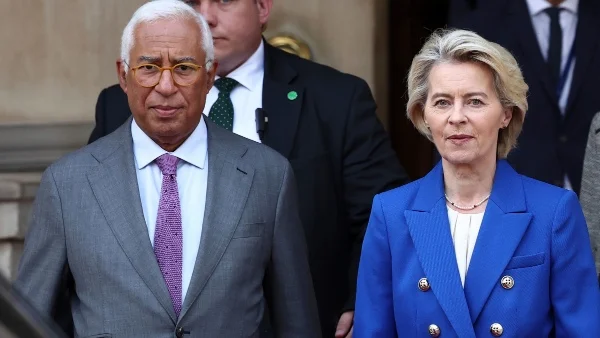
For Republic Day 2026 (the 77th celebration on January 26, 2026), the chief guests are Ursula von der Leyen, President of the European Commission, and António Costa, President of the European Council, jointly invited as the chief guests. This is historical because it’s the first time the leaders of the European Union’s two highest institutions are attending together in that role.
Meet The Guests: Who Are They?
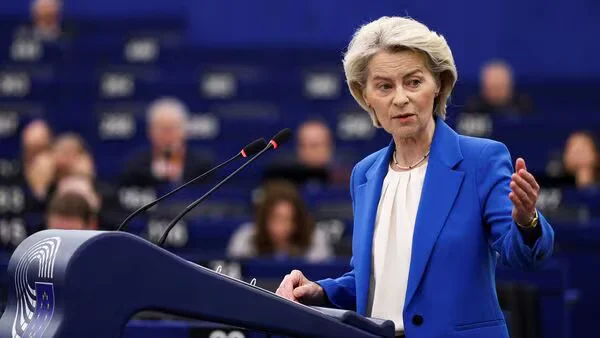
Ursula von der Leyen: President of the European Commission
Ursula von der Leyen is one of the most prominent political leaders in Europe, heading the European Commission, the EU’s executive arm responsible for proposing legislation, implementing decisions, and upholding the bloc’s values. She has been a key voice in strategic dialogues on digital regulation, climate policy, and global trade policy.
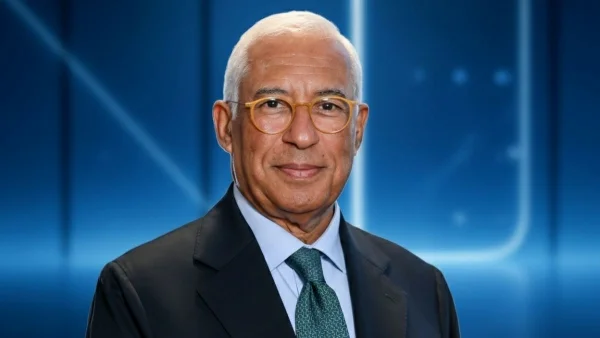
António Costa: President of the European Council
António Costa is the President of the European Council, the body that defines the EU’s overall political direction and priorities. Prior to this role, he served as Portugal’s Prime Minister from 2015 to 2024, one of the longest tenures in recent European political history and interestingly, he has familial ties to India through his great-grandfather from Goa.
Inviting these two powerful figures together marks a shift from inviting single national leaders (as traditionally done) toward engaging a regional bloc as a collective strategic partner.
Why This Invitation Matters: Diplomacy With Depth
To outsiders, a Republic Day chief guest might seem like a ceremonial badge. But in diplomatic practice, it’s a coded communique, a message sent without printed paper yet understood around the globe.
Here’s what India’s choice signals:
1. Affirming the EU as a Strategic Partner
India has engaged with the European Union for decades, but the partnership lacks the geopolitical headlines of a “formal alliance.” While defence agreements, trade talks, and climate cooperation have been ongoing, inviting EU leaders as Republic Day chief guests places the relationship on a more prestigious and political plane.
This isn’t merely symbolism. Around the same time as the Republic Day celebrations, India and the EU are expected to hold a leaders’ summit and push forward negotiations on a Free Trade Agreement (FTA), which have been in discussion for years.
By hosting von der Leyen and Costa together, India elevates the EU from a “trade partner” to a strategic partner with shared democratic values and geopolitical heft.
2. Balancing Global Power Shifts
The 21st century is an era of shifting global power, rising multipolarity rather than a single hegemon:
- The United States and China continue to vie for geopolitical influence.
- The EU seeks to play its own distinct diplomatic role, separate from US-China polarities.
- India is asserting a vision of strategic autonomy, engaging with many actors without exclusive alignment.
Inviting EU leaders underscores India’s independent diplomatic posture. It aligns New Delhi with Brussels as equals discussing a wide spectrum of issues, trade, climate, technology standards, defence supply chains, and more, outside the constraints of an alliance. This can help India steer clear of binary Cold War-style blocs while still strengthening partnerships.
3. A New Template For Republic Day Invitations
Historically, India invited individual national leaders as chief guests:
- Presidents like Barack Obama and Emmanuel Macron.
- ASEAN leaders collectively.
- A mix of global partners reflecting India’s foreign policy priorities at the time.
By inviting the leadership of a regional bloc, the European Union, India signals a broadened vision: engaging not just nations but institutions that shape multinational agendas.
This nuanced shift may inspire future invitations to other regional coalitions, for example, ASEAN, African Union leadership, or Gulf Cooperation Council representatives, reflecting a multiplex world diplomacy.
Implications For India-EU Relations
Free Trade And Economic Integration
One of the most practical outcomes of this enhanced engagement is the renewed focus on the India-EU FTA. Negotiations have sputtered due to disagreements over tariffs, digital services, agriculture, and sustainability standards. The Republic Day invitation is a high-level political signal that both sides are serious about breakthroughs.
A successful FTA could dramatically increase trade between India and EU member states, a partnership involving a bloc of 27 countries and a market of hundreds of millions of consumers. This could diversify India’s export markets while securing technology and investment flows.
Collaborations On Technology And Standards
The EU now drives regulatory frameworks from artificial intelligence safety rules to data protection standards (GDPR). India’s engagement at this level means deeper cooperation in shaping global tech governance, ensuring that emerging norms reflect shared democratic values rather than unilateral models. This helps India deepen its digital ecosystem integration while safeguarding its interests.
Climate And Energy Cooperation
The EU is a global leader in climate policy, carbon markets, and renewable energy deployment. India’s growing clean energy ambitions align well with Europe’s climate priorities. Joint initiatives could spur investment in green tech, hydrogen ecosystems, and sustainable supply chains.
Geopolitical Ripples Beyond Bilateral Ties
1. Asia-Europe Connectivity
This Republic Day event could be the launchpad for expanded Asia-Europe connectivity dialogues encompassing trade routes, port linkages, common infrastructure projects, and digital corridors. A stronger India-EU partnership could serve as a bridge between European and Asian economies and reduce dependence on any one geopolitical axis.
2. Defence And Security Cooperation
Though India’s defence ties with NATO countries (especially the United States and France) have been longstanding, a deeper EU engagement could diversify Europe-India defence cooperation beyond bilateral systems to something more institutional. This could include joint research, logistics support, and interoperability dialogues.
3. Indo-Pacific Architecture
The EU has been progressively articulating its role in the Indo-Pacific, a region vital to global trade and security. India’s invitation signals an alignment of interests in freedom of navigation, maritime safety, and rules-based order in the Indo-Pacific. It could lead to institutional cooperation, perhaps involving naval exercises or coordinated policy positions in regional forums.
4. Soft Power And Cultural Bridges
The Republic Day ceremony itself, with the EU leaders as guests, becomes a soft power moment. It showcases shared democratic traditions, cultural exchange, and people-to-people ties between Europe and India. These moments matter; they humanise diplomacy beyond trade numbers and security dialogues.
Challenges And Complexities
No diplomatic gesture is without its complexities.
Domestic Reactions And Expectations
Inviting external leaders for Republic Day can sometimes spark debates within India about priorities. Some critics argue that domestic heroes or civil society representatives should take centre stage. Others view high-level foreign guests as necessary for signalling India’s global stature.
Managing these perceptions isn’t trivial, especially when geopolitical narratives become infused with emotional nationalism.
Global Perceptions And Balancing Acts
Engaging with one bloc shouldn’t alienate others. India will need to ensure that its deepened EU engagement complements, not competes with, its partnerships with ASEAN, African nations, the United States, Middle Eastern states, and others.
But this balancing act is exactly what India’s foreign policy has been honing: strategic autonomy with multilateral engagement.
Republic Day 2026: Symbolism Meets Strategy
Republic Day, at its core, celebrates India’s Constitution, the legal and moral foundation of its democratic identity. Every year, the nation showcases its armed forces, cultural diversity, and civilian achievements against this constitutional backdrop. But adding international guests brings an extra dimension: it tells the world who India is choosing as partners at this particular moment.
In 2026, by inviting the European Union’s highest leaders, India is telling the world:
- It seeks deeper economic integration with Europe.
- It values democratic partnerships rooted in shared institutional values.
- It embraces a multipolar world order, where regional powers and blocs engage cooperatively.
- It is shaping a foreign policy that navigates global complexities with agency and strategic clarity.
Republic Day 2026 thus stands as a diplomatic milestone, subtle yet profound, marking a year when India walked not just with its own heritage, but alongside a collective of nations representing Europe’s democratic project.
The chief guests at Republic Day 2026, Ursula von der Leyen and António Costa, are more than distinguished visitors. They are ambassadors of a broader vision: an India that engages with the world not just boldly, but thoughtfully. This invitation and visit could serve as a catalyst for stronger economic ties, diversified alliances, and a reinforced commitment to shared global challenges.
Also Read: Republic Day Special Patriotic Songs And Books For 2026
Republic Day, therefore, becomes more than memory or tradition; it becomes a confluence of aspirations, national and international, shaped by history, steered by diplomacy, and destined for future collaboration.
Frequently Asked Questions (FAQs)
Q1. Who are the chief guests at India’s Republic Day 2026?
The chief guests are Ursula von der Leyen, President of the European Commission, and António Costa, President of the European Council.
Q2. Why did India invite European Union leaders together?
India invited EU leaders together to signal a stronger strategic partnership with the European Union as a bloc, not just individual countries.
Q3. How does this visit impact India-EU relations?
The visit strengthens political trust and is expected to boost cooperation in trade, technology, climate action, and global governance.
Q4. Does the Republic Day chief guest influence foreign policy?
Yes, the choice reflects India’s diplomatic priorities and sends a message about key partnerships and geopolitical alignment.
Q5. What does this mean for global geopolitics?
It highlights India’s role in a multipolar world, balancing global powers while deepening ties with democratic institutions like the EU.