
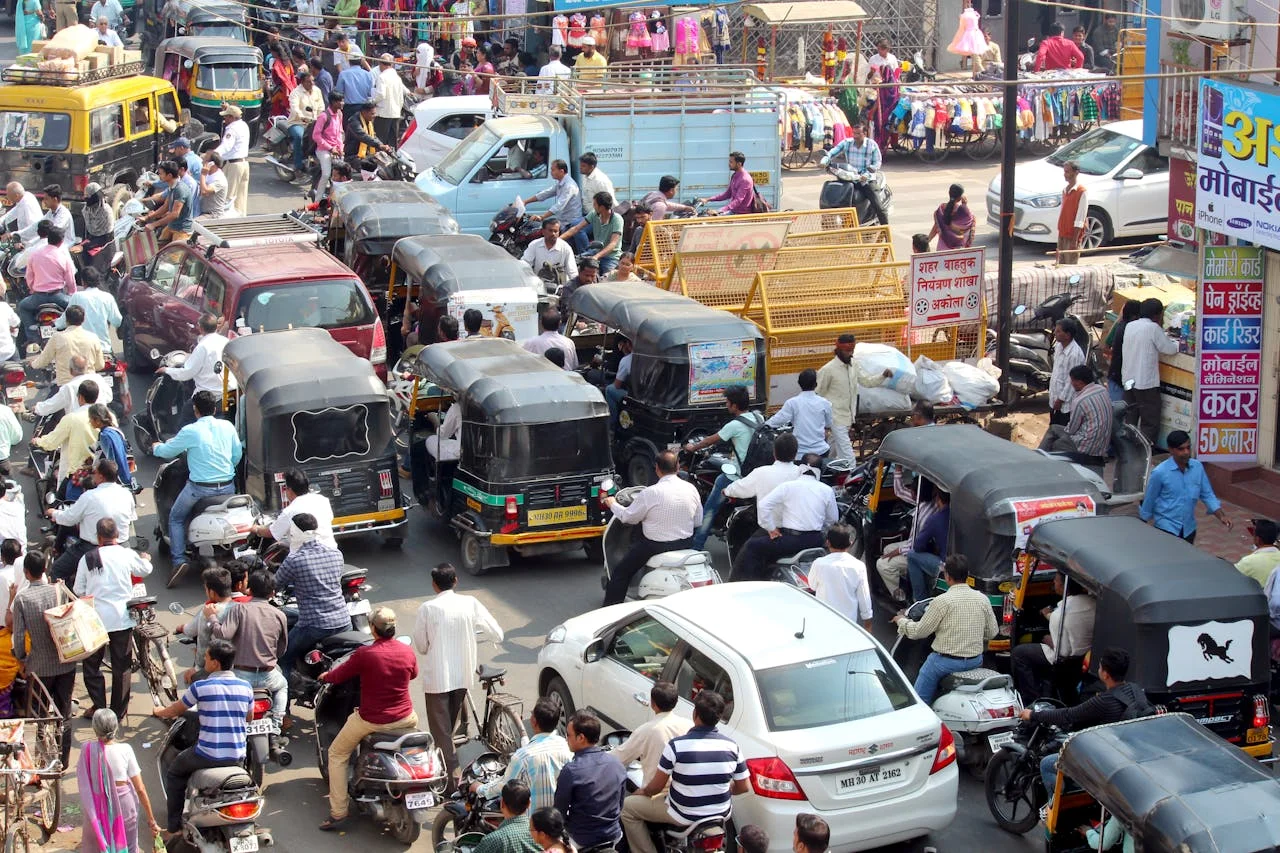
India is known as one of the most populated countries in the world. Whenever people talk about the challenges of the country, the first thing which comes in the discussion is the Indian population. Many people believe that the large population is the biggest reason behind problems like unemployment, traffic, pollution and pressure on resources. Because of this, the population is often seen as the root cause of many social and economic issues.
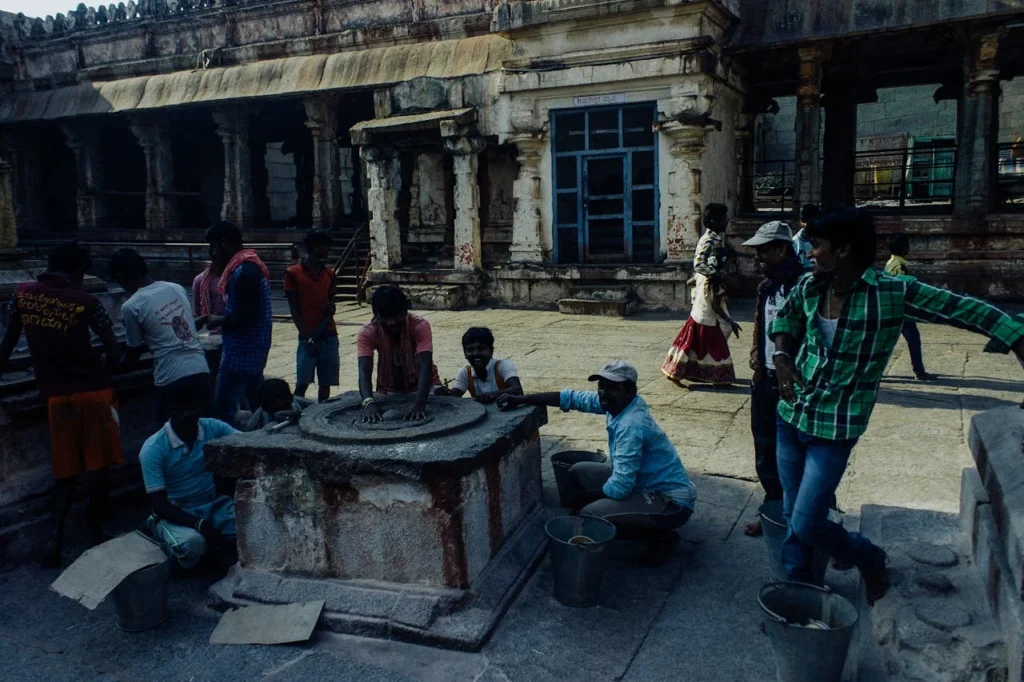
Earlier, India also had a large population, but the way people lived and how cities were structured was very different. Most of the people used to live in villages and smaller towns where the land was available and the lifestyle was slower. Families used to work together in agriculture or small businesses. Even if the population was large, it was spread across different regions. Because of this the pressure on a single place was less and people were able to manage their daily life in a better way.
The Shift from Village Life to Urban Concentration
These days the discussion around the Indian population has changed. The real issue is not only the number of people but how the population is concentrated in certain areas. Many big cities like Mumbai, Delhi and Bengaluru have extremely high population density. Millions of people live in a limited space where resources like housing, transport and clean air are already limited. Over the period of time this has created problems like traffic congestion, pollution, expensive housing and stress in daily life.
Population density means the number of people living in a particular area. When too many people live in a small area, it becomes difficult for the infrastructure to support everyone. Roads become crowded, public transport becomes overloaded and basic facilities like water supply and waste management start facing pressure. In such situations people start blaming the Indian population, but the real concern is how unevenly people are distributed across the country.
If we look at the geography of India, the country has a very large land area with many regions that are still underdeveloped. There are many towns and districts where the population is relatively low and opportunities are limited. Because of lack of industries, education facilities and job opportunities, people move towards large cities in search of a better life. Over the period of time this migration increases the population density in urban areas while other regions remain underutilised.
The Role of Concentrated Economic Opportunity
Another important aspect is the way economic development happens. Most companies and industries prefer to set up offices in major cities because infrastructure, connectivity and markets are already present there. As a result, job seekers from different states move towards these cities. This again increases the pressure on housing, transport and public services. The issue is again blamed on the Indian population, but the deeper problem is the concentration of opportunities in a few locations.
For less than 1% of the people, the large Indian population is actually seen as an advantage. A large population means a large workforce and a large consumer market. Many countries with declining population are facing labour shortages and economic slowdown. In contrast, India has a young population which can contribute to economic growth if the opportunities are properly distributed across different regions.
But more than 99% of the discussions about the Indian population focus only on the negative side. People often say that India has too many people and that the country cannot handle such numbers. However if the development is balanced and smaller cities are given more attention, population density in large metropolitan cities can reduce over the period of time. When industries, universities and infrastructure start expanding into smaller towns, people will not feel the need to migrate to a few overcrowded cities.
Another factor which influences population density is urban planning. Many developed countries have managed to handle large populations by building well planned cities with efficient public transport, green spaces and balanced housing systems. If similar long term planning is implemented in India, the pressure created by the Indian population can be managed more effectively.
Also Read: Triskaidekaphobia: Why The Number 13 Still Makes People Uneasy
A Focus on Balanced Regional Development
Social media and public discussions sometimes oversimplify the issue. People quickly say that the country’s problems exist because there are too many people. But when we analyse the situation more deeply, we realise that the distribution of population and opportunities plays a major role. Over the period of time if the government and private sector work together to create economic hubs in different parts of the country, population density in major cities can slowly become more balanced.
Instead of seeing the Indian population only as a burden, it can also be seen as a potential strength. A large population means a large pool of talent, ideas and human energy. If education, skill development and employment opportunities are improved across different regions, the same population can become a powerful driver of growth.
Rather than only discussing the number of people, the focus should be on how resources, infrastructure and opportunities are distributed across the country. When development is limited to a few cities, population density naturally increases in those areas. But when development spreads across multiple regions, people get the option to live and work closer to their hometowns.
Also Read: A Woman Gets Her Own Home Only When She Becomes A Nani, We Call It “Nani House”
Over the period of time this balanced growth can reduce overcrowding in major cities and improve the quality of life for many citizens. The discussion about the Indian population should therefore move beyond numbers and focus more on planning, infrastructure and regional development.
Instead of blaming population alone, people should start understanding the deeper issue of population density and uneven development. If proper planning and investment is done in smaller cities and rural areas, the same population can contribute to a healthier and more balanced society.
Frequently Asked Questions (FAQs)
1. Is the Indian population really the biggest problem for the country?
Many people believe that the Indian population is the main reason behind economic and social challenges. However the issue is more complex. The real challenge often comes from high population density in certain cities rather than the total population of the country.
2. What is population density and why does it matter?
Population density refers to the number of people living in a particular area. When too many people live in a small space, it creates pressure on housing, transportation, healthcare and other facilities. This is why population density becomes an important factor in urban planning.
3. Why do so many people move to large cities in India?
Most migration happens because job opportunities, education institutions and industries are concentrated in major cities. People move there to improve their career and lifestyle, which gradually increases population density in those areas.
4. Can the large Indian population become an advantage?
Yes, the Indian population can become a major advantage if proper education, skills and employment opportunities are provided. A large workforce can contribute to economic growth and innovation when supported by good policies and infrastructure.
5. How can India reduce the pressure caused by population density?
The solution lies in balanced regional development. If industries, universities and infrastructure are developed in smaller towns and cities, people will have more opportunities near their homes. Over the period of time this can reduce overcrowding in major metropolitan areas.
6. Is population control the only solution?
Population control is only one aspect of the discussion. Improving urban planning, expanding economic opportunities and developing smaller cities can also play a major role in managing the challenges related to the Indian population.