
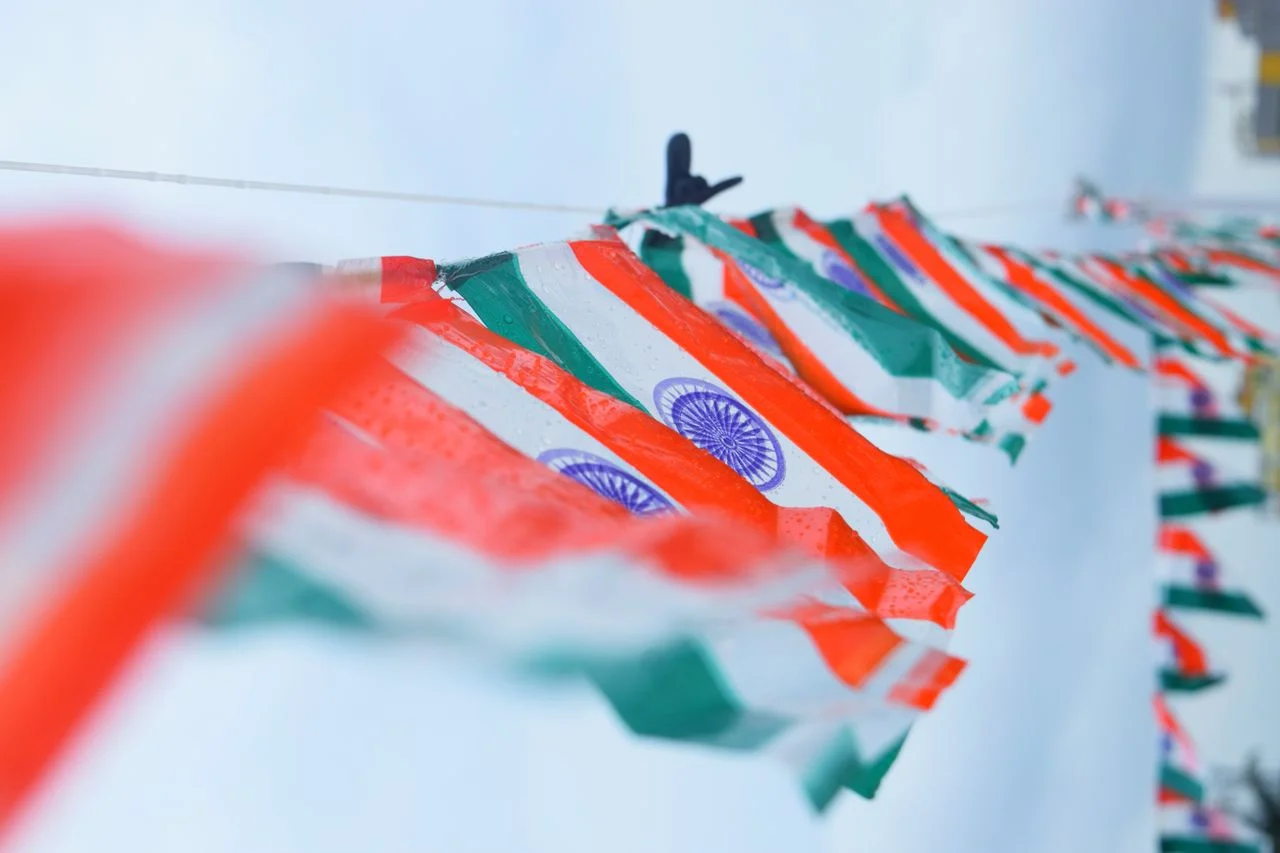
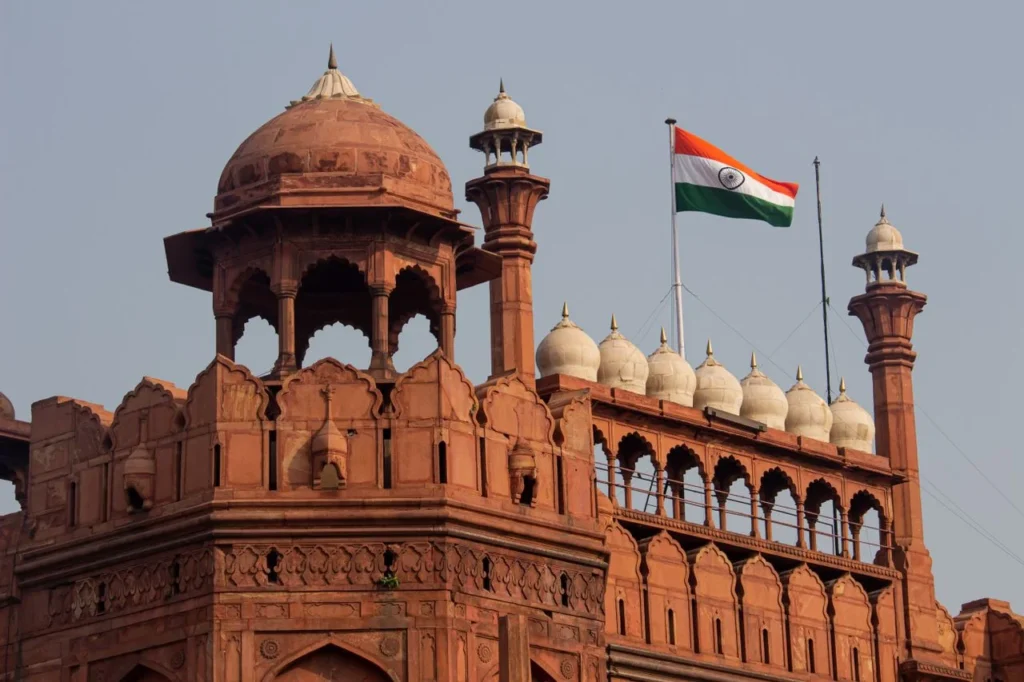
Every year, August 15 arrives with a familiar soundtrack: patriotic songs playing in schools, the Tricolour appearing everywhere, children rehearsing speeches, and social media suddenly becoming a sea of saffron, white and green. But Independence Day is much more than a date on the calendar. On August 15, 1947, India became independent from British rule, ending nearly two centuries of colonial domination. Since then, the day has been observed every year as India’s Independence Day, with flag-hoisting ceremonies, cultural programmes and the Prime Minister’s address from the Red Fort in Delhi.
In 2026, India will observe its 80th Independence Day, marking 79 completed years of independence. The distinction sometimes causes confusion, but it is actually quite simple: August 15, 1947 was the first Independence Day, making August 15, 2026 the 80th celebration. This year’s celebrations are also attracting attention for a significant ceremonial change. For the first time at the Red Fort Independence Day ceremony, Vande Mataram is scheduled to be sung before the national anthem. The 2026 celebrations are also highlighting “Yuva Shakti”, or the power of India’s youth.
So, what makes August 15 so important?
Let’s look at the history, significance and traditions behind India‘s Independence Day.
When Is Independence Day 2026?
Independence Day 2026 will be celebrated on Saturday, August 15. It is a national holiday in India and is observed across the country through flag-hoisting ceremonies, cultural programmes, patriotic events and community celebrations. The main national ceremony takes place at the Red Fort in New Delhi, where the Prime Minister traditionally hoists the national flag and addresses the nation.
Schools, colleges, government offices, residential communities and private organisations also organise their own Independence Day programmes. For many Indians, the celebration begins long before August 15, with decorations, rehearsals, competitions and preparations taking place throughout the week.
Is 2026 India’s 79th or 80th Independence Day?
This is one of the biggest questions surrounding Independence Day 2026.
The answer is:
India will celebrate its 80th Independence Day in 2026.
But India will have completed 79 years of independence.
Here’s the calculation:
- August 15, 1947: India became independent
- August 15, 1948: 1 year completed
- August 15, 2025: 78 years completed
- August 15, 2026: 79 years completed
- August 15, 2026: 80th Independence Day celebration
So both numbers can appear in discussions without contradicting each other. It is India’s 80th Independence Day, while the country is completing 79 years of independence. This distinction has become a notable search topic in the run-up to this year’s celebrations.
Why Does India Celebrate Independence Day on August 15?
India celebrates Independence Day on August 15 because the transfer of power from British rule took place on August 15, 1947. The Indian Independence Act 1947 provided for the creation of the independent Dominions of India and Pakistan. The transition came after decades of political movements, protests, campaigns and resistance against British colonial rule. The freedom struggle involved people from different regions, communities and political movements. Mahatma Gandhi’s philosophy of non-violent resistance became internationally recognised, while countless other freedom fighters contributed to India’s struggle in different ways. Independence therefore represents not just the end of British rule but also the culmination of a long and complicated movement involving millions of Indians.
A Brief History of India’s Independence
India’s road to independence was not a short journey. British political and economic influence expanded substantially during the 18th and 19th centuries. The East India Company initially played a major role before the British Crown took direct control following the Revolt of 1857. Over the decades that followed, opposition to colonial rule grew.
The formation of the Indian National Congress in 1885 created an important political platform, while movements for greater Indian participation in governance gradually developed. During the 20th century, the independence movement became much broader. Mahatma Gandhi emerged as one of its most influential leaders and promoted methods of non-violent resistance and civil disobedience.
Major movements included:
- Non-Cooperation Movement
- Civil Disobedience Movement
- Salt March
- Quit India Movement
Other important figures included Subhas Chandra Bose, Jawaharlal Nehru, Sardar Vallabhbhai Patel, Bhagat Singh, Sarojini Naidu, Bal Gangadhar Tilak, Lala Lajpat Rai and many others. Their approaches were not always identical, but together they form part of the complex history of India’s freedom struggle.
What Happened on August 15, 1947?
India officially became independent at midnight between August 14 and August 15, 1947. Jawaharlal Nehru, who became independent India’s first Prime Minister, delivered his famous “Tryst with Destiny” speech as the country entered a new chapter. The moment was historic, but independence was accompanied by enormous upheaval.
The partition of British India resulted in the creation of India and Pakistan and triggered one of the largest migrations in modern history, accompanied by devastating communal violence. Therefore, August 15 is remembered both as a moment of freedom and as part of a deeply complicated period in South Asian history.
Independence Day Celebrations at the Red Fort
The Red Fort has become one of the most recognisable symbols of India’s Independence Day. Every year, the Prime Minister hoists the national flag from the historic fort and delivers an address to the nation. The ceremony is followed by other formal and cultural elements involving India’s armed forces, government representatives, students and invited guests.
The event is broadcast nationally, allowing millions of people to watch the proceedings from home. The Red Fort ceremony has therefore become much more than a government function. For many Indians, watching the Prime Minister address the country from the historic ramparts is part of the morning ritual of August 15.
Also Read: 5 Countries that Celebrate Freedom on August 15th with India
What Is Special About Independence Day 2026?
The 2026 Independence Day ceremony has several features attracting attention. One of the biggest is the planned singing of Vande Mataram from the Red Fort ramparts before the national anthem, a change announced ahead of this year’s ceremony. The celebrations will also highlight Yuva Shakti, placing emphasis on India’s young population and its role in the country’s future development.
The 2026 celebrations also come as India approaches the larger national goal of becoming a developed country by 2047, the centenary of independence. That gives this year’s Independence Day an additional forward-looking dimension.
What Is the Theme of Independence Day 2026?
The theme being highlighted for the 2026 Independence Day celebrations is “Yuva Shakti”, focusing attention on India’s youth and their role in shaping the country’s future. The idea is particularly relevant in a country with one of the world’s largest young populations.
From technology and entrepreneurship to sports, education, science and creative industries, young Indians increasingly play visible roles in the country’s development. The theme therefore connects the history of independence with a question about the future:
What will the next generation do with the freedom inherited from the generations before it?
How Is Independence Day Celebrated Across India?
Independence Day is celebrated in almost every part of the country, although the style of celebration varies.
Schools and Colleges
Educational institutions often organise:
- Flag-hoisting ceremonies
- Patriotic songs
- Dance performances
- Speeches
- Essay competitions
- Drawing competitions
- Fancy-dress events
- Cultural programmes
For many children, Independence Day is one of those school mornings remembered long after the uniforms have been outgrown.
Government Offices
Government institutions conduct flag-hoisting ceremonies and cultural programmes.
State governments also organise official functions, with chief ministers and other officials participating in celebrations.
Residential Communities
Apartment complexes and neighbourhood associations increasingly organise their own Independence Day events. These can include children’s performances, quizzes, games, cultural programmes and community meals. The celebrations may be smaller than the Red Fort ceremony, but they reflect the same national occasion.
Independence Day and the Tricolour
The Indian national flag is central to Independence Day celebrations. The Tricolour consists of three horizontal bands:
- Saffron at the top
- White in the middle
- Green at the bottom
The Ashoka Chakra, with its 24 spokes, appears in navy blue at the centre of the white band. The flag has become one of the most recognisable symbols of Indian identity and sovereignty. During Independence Day, flags can be seen at schools, offices, homes, public spaces and community events across the country.
Why Is Independence Day Important?
Independence Day is important because it provides an opportunity to remember how India became a sovereign nation. But its significance goes beyond remembering 1947. The day also invites people to think about the responsibilities that come with freedom. Freedom is not only about the absence of colonial rule. It is also connected to democracy, equality, constitutional rights, education, opportunity and the ability of citizens to participate in shaping their country’s future. That makes Independence Day both a historical occasion and a moment for reflection.
Independence Day 2026: How People Can Celebrate
There are many ways to celebrate August 15 without turning the occasion into a competition over who has the largest flag. You can:
- Attend a local flag-hoisting ceremony
- Learn about India’s freedom movement
- Read about a lesser-known freedom fighter
- Participate in a school or community event
- Watch the Red Fort ceremony
- Display the national flag respectfully
- Visit a historical monument
- Talk to children about India’s independence
- Support a local community initiative
- Share meaningful Independence Day messages with friends and family
Even something as simple as spending a few minutes learning about the people behind India’s independence can make the day more meaningful.

Independence Day 2026 Wishes and Messages
If you’re looking for a short message to share with family or friends, here are a few original options:
“May we always value the freedom we inherited and use it to build a kinder, stronger and more united India. Happy Independence Day!”
“This Independence Day, let us remember the sacrifices of the past and take responsibility for the India we want to create tomorrow. Happy Independence Day 2026!”
“Freedom is a gift from history and a responsibility for the future. Wishing everyone a meaningful Independence Day.”
“Let the Tricolour remind us not only of where India came from, but also of where we can take it. Happy Independence Day 2026!”
For more ready to copy and share quotes and wishes click here: Independence Day Wishes and Quotes
Independence Day 2026: What Happens in Delhi?
Delhi will be at the centre of the national celebrations because the main ceremony takes place at the Red Fort. People travelling through central and northern parts of the city should also be aware that traffic restrictions are being imposed around the Red Fort for the Independence Day ceremony and related preparations. Delhi authorities have announced restrictions around key roads during the period.
For anyone planning to visit central Delhi around August 15, checking the latest Delhi Traffic Police advisory before leaving is sensible. The ceremony itself involves extensive security arrangements, invited guests and controlled access.
Independence Day Is More Than a Celebration
There is something interesting about national days. They can easily become routine. The same flag. The same songs. The same speeches. The same messages forwarded across WhatsApp. But behind those familiar rituals is a remarkable historical event. A country that had been under colonial rule for generations became independent in 1947.
Millions of people experienced that transition differently. Some celebrated. Some mourned. Some migrated. Some had lost family members. And many who had fought for freedom never lived to see the country become independent. Remembering that complexity makes Independence Day more meaningful.
Independence Day 2026: Looking Towards 2047
The 2026 Independence Day celebration also comes with another important date on the horizon. 2047 will mark 100 years of India’s independence. That gives today’s celebrations a forward-looking question. What should India look like when it reaches its centenary?
The answer will not be decided by one government, one generation or one speech. It will be shaped by millions of ordinary decisions involving education, work, innovation, public responsibility, environmental choices and how citizens treat one another. That makes the 80th Independence Day a useful moment to look both backwards and forwards.
In Conclusion
On August 15, 2026, India will celebrate its 80th Independence Day, while completing 79 years since independence. The distinction may sound like a piece of calendar arithmetic, but the occasion represents something much larger. Independence Day remembers the long struggle against colonial rule, honours those who sacrificed for freedom and celebrates India’s journey as an independent nation.
The 2026 ceremony will bring its own special moments, including the planned rendition of Vande Mataram from the Red Fort before the national anthem and an emphasis on Yuva Shakti. But beyond the official ceremony, Independence Day belongs to everyone.
It is in the flag outside a school, the child delivering a nervous speech, the family watching the Red Fort ceremony, the neighbour organising a community event and the quiet moment when someone remembers what freedom cost.
So this August 15, celebrate the day. But also remember the history behind it. Because independence is not merely something India achieved in 1947. It is something every generation inherits, protects and carries forward.
Frequently Asked Questions (FAQs)
Q1. When is Independence Day 2026?
India will celebrate Independence Day on Saturday, August 15, 2026.
Q2. Is 2026 India’s 79th or 80th Independence Day?
2026 is India’s 80th Independence Day celebration. However, India will have completed 79 years of independence on August 15, 2026.
Q3. Why does India celebrate Independence Day on August 15?
India became independent from British rule on August 15, 1947, which is why Independence Day is observed annually on August 15.
Q4. Where does the main Independence Day celebration take place?
The main national Independence Day ceremony takes place at the Red Fort in New Delhi, where the Prime Minister traditionally hoists the national flag and addresses the nation.
Q5. What is special about Independence Day 2026?
The 2026 celebrations are expected to highlight Yuva Shakti, while Vande Mataram is scheduled to be sung from the Red Fort before the national anthem, a notable change in the ceremony.