
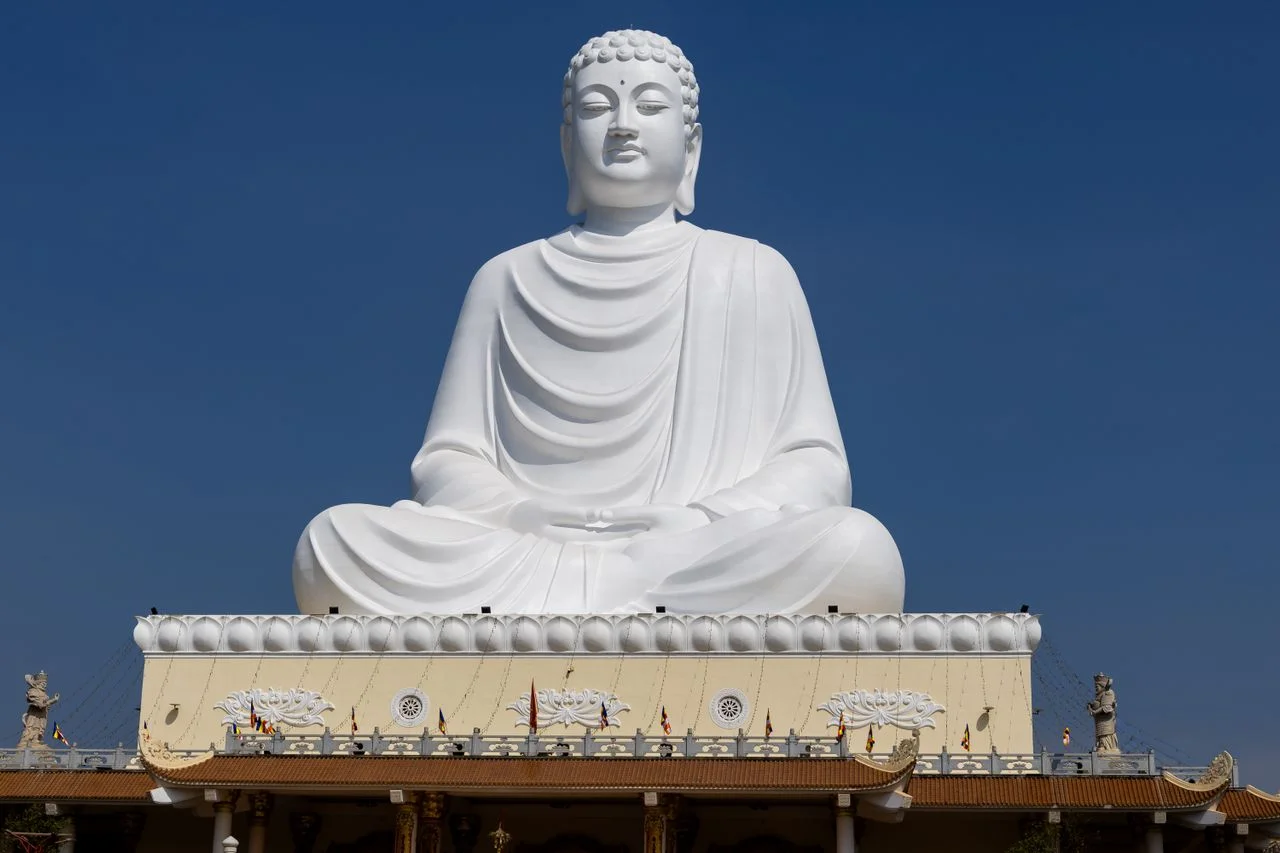
Buddhism and its branches: India has been the land of birth of many great personalities who have crafted the course of history. Many religions and schools of beliefs, and cults have been cradled here. Four of the major religious beliefs of the world, named Hinduism (Sanatan Dharma), Sikhism, Jainism and Buddhism have their roots in the Indian Subcontinent. While all religious ideologies have flourished well in India, Buddhism has spread more to other neighbouring countries of India like Sri Lanka, China, Bhutan, Myanmar, and Southeast Asian countries like Thailand, Japan, and Indonesia, rather than in India. And with its introduction and expansion in each country, it assimilated many local and native cultural beliefs.
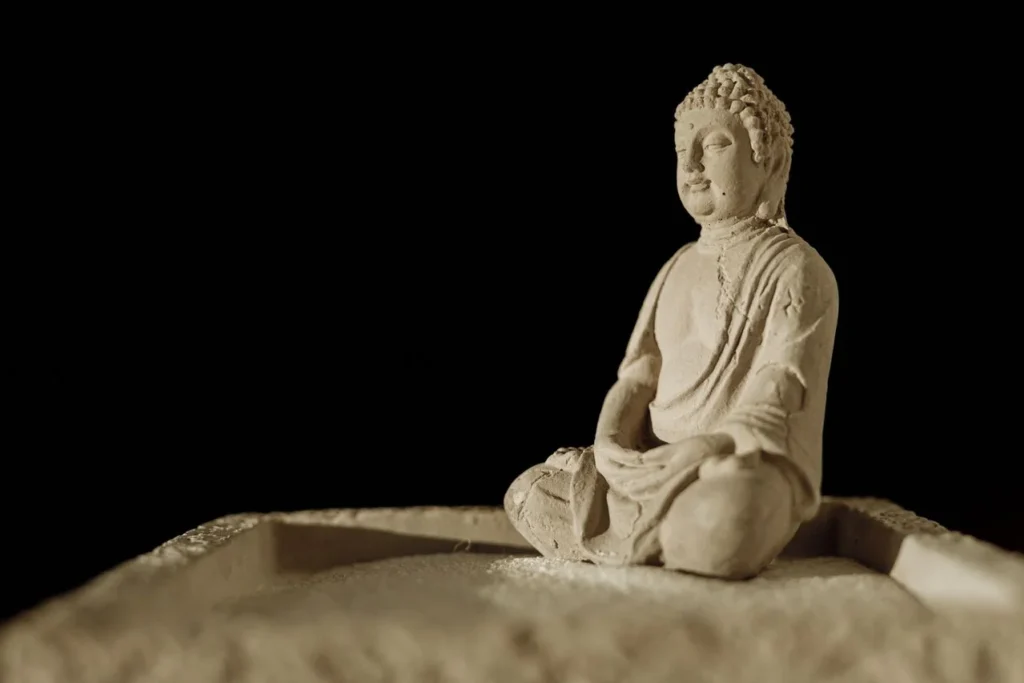
Over a period of 2500 years since its inception, Buddhism has seen many transformations and has been further segregated into many schools and branches of thought. This has affected and often created the ideological difference between the followers, who have accepted the core teaching and interpreted it according to their ideology. These branches have many beliefs that are intertwined and are deeply rooted in the core teachings of Buddha, despite all demographical and geographical differences. Let’s learn more about Buddhism and its branches.
Buddhism and its branches: The middle path given by the Buddha
Around the 5th – 6th century BC, in the city of Lumbini (in present-day Nepal), Siddhartha Gautama was born. At his birth, there was a prophecy that he would either be a great saint and philosopher or a warrior. His father gave him all the luxuries to train him in becoming a king and a warrior. He was married to Yashodhara and had a son, Rahul.
One day, as he was touring around his kingdom, he came across an old man, a sick man, and a dead body. He asked his charioteer about it, who replied, “These are the phases of life, O Noble Prince! Everyone goes through it.” It was a moment of realisation for Siddarth, and he renounced all the royal titles and luxuries to seek the ultimate truth.
He went to the forest and performed deep penance. It made his body extremely frail and caused him to lose his strength. That’s when a maiden offered him rice and milk to satiate his hunger. It’s when he realised that life should not be in extremes. It goes with a “Middle Path”. He restarted his penance and attained enlightenment. From here, he spread the knowledge and learning of his journey to his disciples. Over the period of time, the number of followers increased, and his sermons and teachings travelled across the Indian subcontinent.
Over the period of time, each country where the teaching of Buddha reached developed its own school of thought, and hence, the influence of social, economic, feudal, and geographical factor laid a great impact on it.
Also Read: 5 Timeless Watches In History: Timepieces That Defined Time
Buddhism and its branches: School of thoughts in Buddhism
The core idea of Buddhism is based on attaining liberation from suffering, pain, and worldly bounds to get enlightenment and bliss. This can be achieved through certain rules and ideology attained and developed over a period of time, classified as the “Eightfold path”. Buddhism and its branches are based on this philosophy. Buddhism is divided into 3 major schools of thoughts
Theravada
Also referred to as the “School of ancient ones”, Theravada philosophy of Buddhism is deeply rooted in the core teachings and learnings of Buddha that are in the Pali Canon or Pali scriptures, dating back to the time of Buddha himself. This school or branch of philosophy is deeply based on personal growth, upliftment, and cleansing that leads to enlightenment. The Theravada philosophy believes that an individual can attain enlightenment just like Buddha by having an ethical, strict, disciplined, and monastic life.
The followers are required to abstain from all worldly desires and pleasures, focusing on becoming an Arhat or a liberated saint. This may include severe physical and mental disciplines. This sect of Buddhism is widely popular among the followers in the South East Asian countries like Sri Lanka, Cambodia, Thailand, Myanmar, and Laos.
Mahayana
Translated as “Great Vehicle” or “Great Chariot,” This school of thought is based on the philosophy of community upliftment. Under the ideology of Mahayana, followers focus on the enlightenment and liberation of all beings through coexistence and compassion. Self-awareness is equally important as community well-being. It also focuses on strict physical and mental resiliency for its followers and has many monasteries and schools, like the Shaolin school.
The monks follow the concept of focusing on becoming a Bodhisattva or a liberated being that help others to attain enlightenment. This philosophy also follows the institutional structure of Master and disciple, with universal brotherhood. Many sub schools like Zenism and Taoism has emerged into this philosophy, which is widely followed in countries like China, Japan, Korea, & Vietnam.
Vajrayana
Known as the “Diamond Path” or “Diamond Vehicle”, this school of philosophy is an amalgamation of Buddhist teaching with tantric practices. It is more of an inclusive, secret, and initiation-based path of philosophy that is very esoteric in nature. The followers go for practicing certain defined rituals and tantric practices along with certain designs known as Mandala and recitals of mantras. The focus is on experiencing the “Buddha State” to get ultimate bliss or rapid enlightenment, as often termed.
The school also follows the concept of Karma, and the followers staunchly believe that one action is related to another. The initiation is performed under a special ceremony and is observed under the guidance of a master, often referred to as a Guru, much like Hinduism. This branch of philosophy is practised in countries like Nepal, Bhutan, Tibet, and Mongolia, along with certain parts of India.
Besides this, many other branches like Shintoism are also observed in many countries. In addition to this, the ideologies of many learned scholars like Confucius and Dao are also observed, that focuses more on moral conduct and living an intellectually based, ethical lifestyle. Though many conflicts have occurred in the history among these schools of thought in Buddhism, they work in a synchrony and are rooted firmly in the core teaching of Buddha, and often regard India with great respect as the “Motherland of Buddhism”.
Frequently Asked Questions
Q1. Where was Siddhartha Gautama born?
A: Siddhartha Gautama was born in the city of Lumbini, in present-day Nepal.
Q2. What is the “Middle Path”?
A: The “Middle Path” is a philosophy discovered by Buddha, suggesting that life should not be lived in extremes, based on his own experiences of renouncing royal luxury and later abandoning extreme penance.
Q3. What are the three major schools of Buddhism?
A: The three major schools are Theravada, Mahayana, and Vajrayana.
Q4. What is the focus of the Theravada school of Buddhism?
A: It focuses on personal growth, individual enlightenment through ethical, strict, disciplined, and monastic life, and the goal of becoming an Arhat.
Q5. What characterises the Vajrayana school of thought?
A: It is an inclusive, initiation-based path that amalgamates Buddhist teachings with tantric practices, rituals, mantras, and the use of Mandalas.