
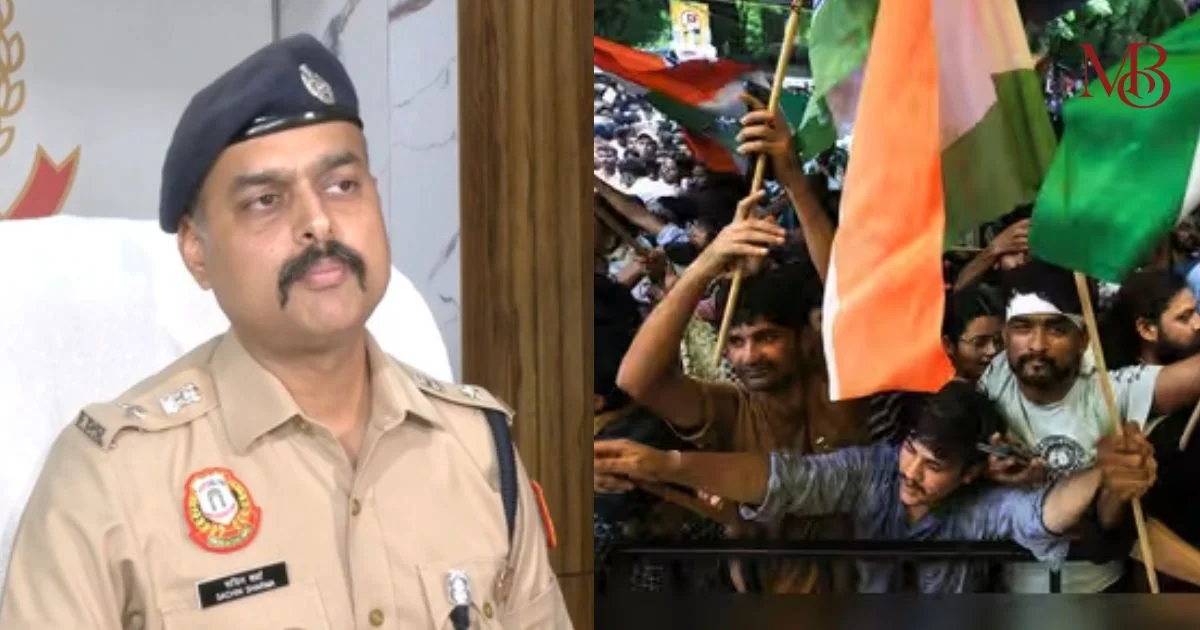
The Delhi Police has denied permission to the Cockroach Janata Party (CJP) for its proposed march to Parliament on July 20, citing prohibitory orders currently in force across the national capital ahead of the Parliament’s Monsoon Session. The announcement comes as security measures have been significantly strengthened around the Parliament complex and other sensitive locations to ensure law and order during the commencement of the parliamentary session on Monday.
Delhi Police Rejects March Proposal
Speaking on the issue, New Delhi Deputy Commissioner of Police (DCP) Sachin Sharma clarified that the CJP neither sought nor received official permission for the planned march. He stated that under Section 163 of the Bharatiya Nyaya Sanhita (BNS), public protests are permitted only at the designated protest site at Jantar Mantar, and that too with prior approval from the authorities. According to the police, no protest marches, processions, or public gatherings of five or more people are allowed outside the notified protest area.
“No permission has been granted for the Cockroach Janata Party’s proposed march to Parliament on July 20,” the DCP said.
Security Heightened Ahead of Parliament Session
With the Monsoon Session of Parliament beginning on Monday, Delhi Police has deployed additional security personnel across key government locations, particularly around Parliament House. Authorities said the restrictions are aimed at protecting vital government installations, maintaining public safety, and ensuring the smooth functioning of Parliament.
Police officials warned that anyone attempting to violate the prohibitory orders could face strict legal action. The Delhi Police has also appealed to citizens to avoid participating in unauthorized demonstrations and to cooperate with law enforcement agencies in maintaining peace.
CJP Protest Continues at Jantar Mantar
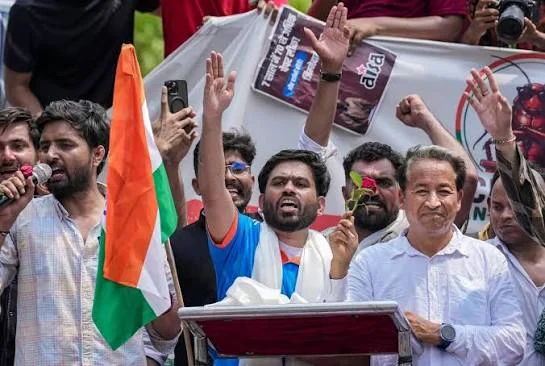
The Cockroach Janata Party has been protesting at Jantar Mantar since June 20, pressing for various demands through continuous demonstrations and hunger strikes. The protest gained attention after activist Sonam Wangchuk, who had been observing a prolonged hunger strike, was recently hospitalized following police intervention. Following Wangchuk’s hospitalization, CJP founder Abhijit Dipke has taken over the hunger strike, signaling that the party intends to continue its agitation despite the restrictions.
Party Insists on March to Parliament
Despite the Delhi Police’s refusal, the CJP has publicly maintained that it will proceed with its planned march from Jantar Mantar to Parliament on Monday. The announcement has raised concerns among security agencies, which fear possible disruptions in the national capital during the Parliament session. Officials have urged protesters to remain within the designated protest zone and avoid any confrontation with law enforcement personnel.
Balancing Protest Rights and Public Order
The latest standoff once again brings into focus the ongoing debate over balancing the democratic right to peaceful protest with the government’s responsibility to maintain public order during high-security events. As Parliament prepares to begin its proceedings, Delhi Police has reiterated that the prohibitory orders will be enforced strictly and that any violation will invite legal consequences. Citizens have also been advised to avoid sensitive areas around the Parliament complex and follow police advisories until the security situation normalises.
Frequently Asked Questions (FAQs)
Q1. Why did Delhi Police deny permission for the CJP march?
The police said no permission was sought or granted, and prohibitory orders under Section 163 of the Bharatiya Nyaya Sanhita are currently in force.
Q2. Where is the CJP protest taking place?
The party has been holding protests at Jantar Mantar in New Delhi since June 20.
Q3. Who is leading the hunger strike now?
After activist Sonam Wangchuk was hospitalized, CJP founder Abhijit Dipke took over the hunger strike.
Q4. Why has security been increased in Delhi?
Security has been tightened due to the start of the Parliament’s Monsoon Session and the proposed protest march.
Q5. What action will be taken against violators?
Delhi Police has warned that anyone violating the prohibitory orders may face strict legal action under applicable laws.