
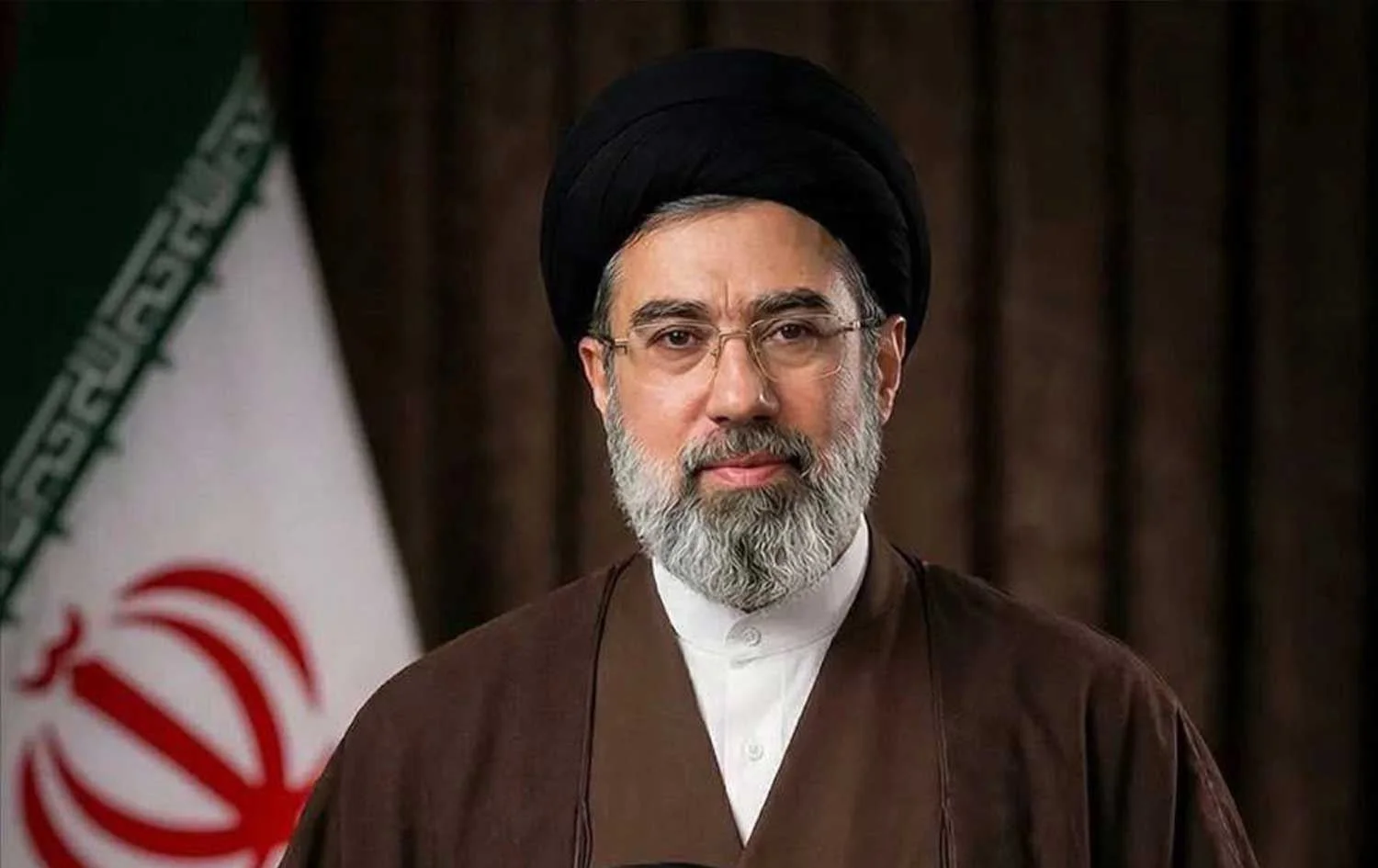
In March 2026, Iran entered a new and highly dramatic political chapter. Following the death of long-time leader Ali Khamenei, the country’s powerful clerical body selected his son, Mojtaba Khamenei, as the new Supreme Leader of the Islamic Republic of Iran. The decision marks a historic and controversial transition in one of the Middle East’s most influential nations. The appointment of Mojtaba Khamenei makes him the third Iranian Supreme Leader, following the founder of the Islamic Republic Ruhollah Khomeini and his father Ali Khamenei.
This leadership change has drawn worldwide attention because the Supreme Leader is the most powerful figure in Iran’s political system, holding authority over the military, judiciary, and major state institutions.
Who Is Mojtaba Khamenei, the Iranian Supreme Leader?
Mojtaba Khamenei was born in 1969 in Mashhad, Iran. He is the second son of former Supreme Leader Ali Khamenei and grew up during the turbulent years following the 1979 Islamic Revolution. From a young age, he was surrounded by Iran’s religious and political elite.
Unlike many Iranian leaders who rose through elected office, Mojtaba remained mostly behind the scenes for decades. However, insiders often described him as a powerful figure within the country’s political networks and security apparatus.
Key facts about him:
- He studied at religious seminaries in Qom, the centre of Shia scholarship in Iran.
- He reportedly fought briefly in the Iran–Iraq War as a teenager.
- Over the years, he developed strong connections with the Islamic Revolutionary Guard Corps (IRGC), one of Iran’s most influential military organisations.
Even though he rarely appeared publicly, analysts believed he played an important role in shaping Iran’s internal politics.
How Mojtaba Khamenei Became Iranian Supreme Leader
Iran’s constitution states that the country’s top leader must be selected by the Assembly of Experts, a council of senior clerics responsible for supervising and appointing the Supreme Leader.
After the death of Ali Khamenei in February 2026, the Assembly of Experts convened to choose a successor. On 8 March 2026, the council announced that Mojtaba Khamenei had been elected as Iran’s new Supreme Leader.
His appointment was controversial because it effectively transferred power from father to son, something critics say resembles a dynastic system, even though Iran is officially a republic guided by religious authority.
Supporters, however, argued that Mojtaba had already built strong relationships within Iran’s security institutions and clerical establishment, making him capable of maintaining stability during a turbulent time.
Why His Appointment Is Significant As Iranian Supreme Leader
The rise of Mojtaba Khamenei carries major implications for Iran and global politics.
1. A Rare Father-to-Son Transition
Since the 1979 Islamic Revolution, Iran has portrayed itself as a republic rather than a monarchy. Passing leadership from father to son raises debates about whether the system is becoming more dynastic.
2. Strong Ties With Security Forces
Mojtaba is widely believed to have close links with the Revolutionary Guards, the military organisation that plays a central role in Iran’s politics and regional influence.
3. Leadership During a Time of Conflict
His appointment came during a period of intense regional tensions and military confrontations in the Middle East. As the new Supreme Leader, he will oversee Iran’s military strategy and foreign policy.
4. Questions About Religious Authority
Some scholars have questioned whether Mojtaba holds the same level of religious authority traditionally expected of a Supreme Leader. This debate could influence how his leadership is perceived both inside and outside Iran.
What The Supreme Leader Does In Iran
In Iran’s political system, the Supreme Leader is more powerful than the president. The role includes:
- Commanding the armed forces
- Appointing the head of the judiciary
- Influencing major domestic and foreign policies
- Supervising powerful institutions like the Revolutionary Guards
Because of these powers, the Supreme Leader is considered the ultimate authority in the Islamic Republic.
The Future Of Iran Under Mojtaba Khamenei
The leadership of Mojtaba Khamenei is expected to shape Iran’s future in several ways. Observers are closely watching how he handles international relations, economic challenges, and internal political pressures.
Some analysts believe his leadership may continue the hardline policies associated with his father. Others suggest he could gradually consolidate power before revealing his long-term strategy.
Also Read: Strait Of Hormuz: Why The World Is Watching This Critical Oil Lifeline
Either way, the world will be watching closely as Iran navigates a new era under its third Iranian Supreme Leader.
Frequently Asked Questions (FAQs)
Q1. Who is the current Supreme Leader of Iran?
The current Supreme Leader of Iran is Mojtaba Khamenei, appointed on 8 March 2026.
Q2. Who was the previous Supreme Leader of Iran?
The previous Supreme Leader was Ali Khamenei, who led Iran from 1989 until his death in 2026.
Q3. How is the Supreme Leader chosen in Iran?
The Supreme Leader is selected by the Assembly of Experts, a council of senior Islamic clerics.
Q4. Is Mojtaba Khamenei related to the former leader?
Yes, Mojtaba Khamenei is the son of former Supreme Leader Ali Khamenei.
Q5. Why is Mojtaba Khamenei’s appointment controversial?
It is controversial because leadership effectively passed from father to son, which critics say resembles a dynastic transfer of power.