
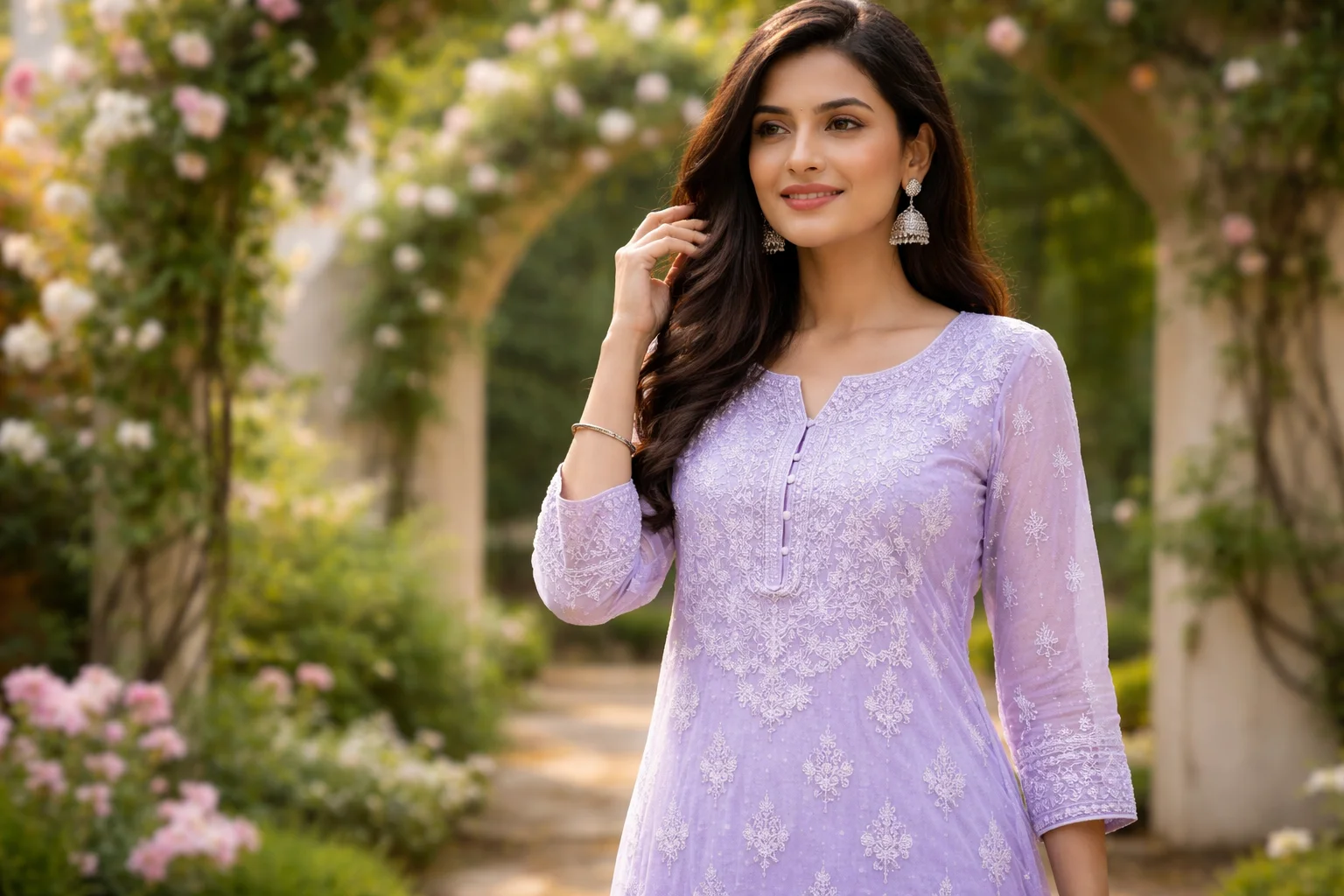
In a world that often celebrates loud fashion, the understated elegance of the Chikankari kurti feels like a gentle rebellion. Originating from the culturally rich city of Lucknow, this traditional embroidery has travelled through centuries, adapting yet retaining its essence. Today, it stands not just as clothing but as a reflection of heritage and grace. Whether worn casually or styled for occasions, chikankari kurtis have carved a niche in wardrobes across generations, appealing to those who appreciate detail, craftsmanship, and comfort woven together seamlessly.
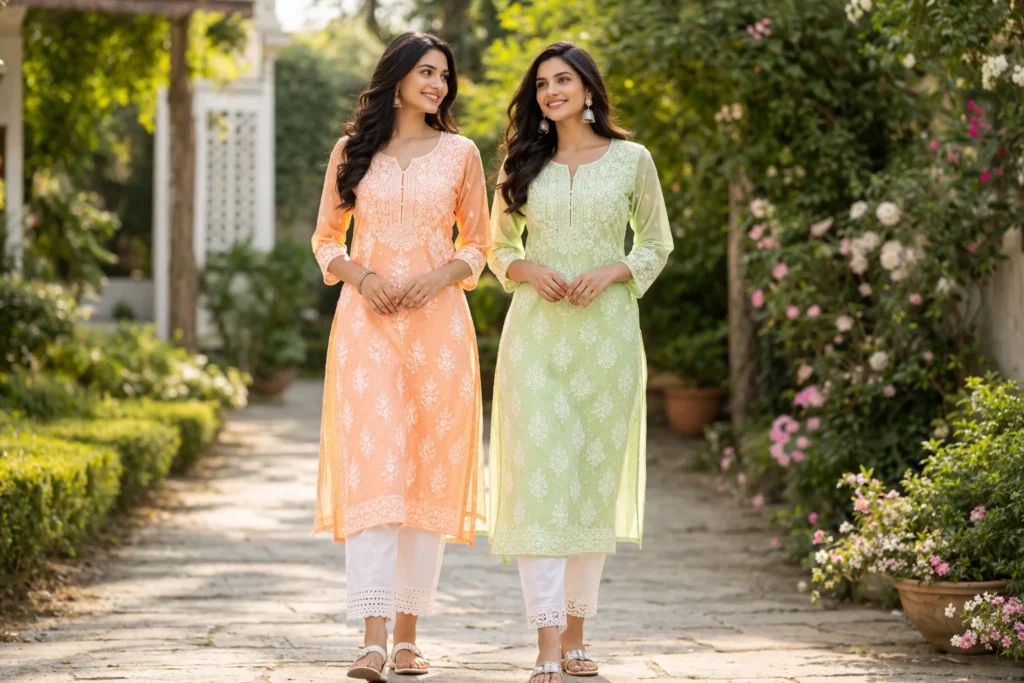
What makes chikankari so enduring is not merely its aesthetic appeal but the story stitched into every thread. From royal courts to modern closets, its journey reflects resilience and artistry. The intricate patterns, breathable fabrics, and cultural significance create a blend that feels both luxurious and accessible. In an age of fast fashion, chikankari kurti offers a slower, more thoughtful alternative. This article explores why this delicate craft continues to captivate hearts, and why owning a chikankari kurti feels less like a purchase and more like inheriting a timeless narrative.
Also Read: What Is Limelight? The Surprising Theatre Origin Behind The Phrase ‘In The Limelight’
Royal Origins And Cultural Roots Of Chikankari Kurti
The story of chikankari unfolds like a faded royal manuscript, soft at the edges yet rich in meaning. It is often linked to Nur Jahan, whose refined taste is said to have introduced this embroidery to India during the reign of Jahangir. Whether legend or layered truth, chikankari found its home in Lucknow, where it bloomed under patronage and patience. Over time, what once adorned royal courts drifted gently into everyday life, carried by artisans who turned thread into storytelling. Today, every chikankari kurti still carries that echo of grace, like a whisper from another century.
Intricate Craftsmanship That Tells A Story
If you pause long enough to really look at chikankari, you begin to notice its quiet complexity. It is not loud, not demanding, but deeply detailed. Each chikankari kurti is brought to life through hours of careful handwork, often involving dozens of stitches layered with intention. The patterns seem to breathe, creating textures that shift subtly with light. Unlike machine-made garments that repeat themselves endlessly, chikankari resists sameness. There is always a slight difference, a tiny imperfection that feels human. And perhaps that is its charm. It does not aim for perfection; it embraces presence, one stitch at a time.
Comfort That Complements Climate
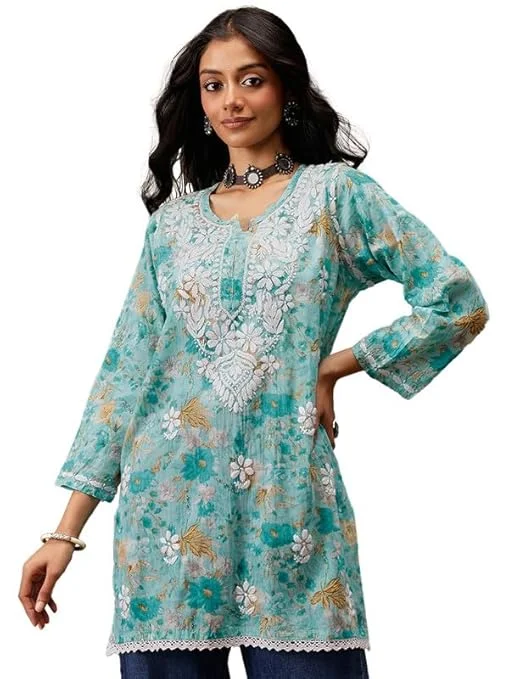
There is something almost intuitive about chikankari when it comes to comfort. It feels as though it understands the rhythm of Indian summers, where heat lingers and heavy fabrics become unbearable. Traditionally crafted on fine muslin and now available in cotton, chiffon, and georgette, chikankari kurtis allow the skin to breathe with ease. The embroidery does not weigh the garment down, preserving its lightness. Wearing it often feels effortless, like slipping into something that moves with you rather than against you. It is fashion that listens to the body, rather than forcing the body to adapt.
Minimalism With Depth And Detail
Chikankari does not compete for attention, and that is precisely why it holds it so well. Its signature aesthetic often revolves around white-on-white embroidery, creating a soft play of shadows instead of relying on bold colours. At first glance, it may seem simple. But look closer, and the details unfold slowly, almost like a secret. This restraint gives chikankari its versatility. It can be worn to a casual outing or dressed up for a special occasion without ever feeling out of place. In a world that often leans towards excess, chikankari feels like a quiet pause, a reminder that less can indeed say more.
A Symbol Of Identity And Heritage
For Lucknow, chikankari is not merely a craft; it is part of the city’s cultural heartbeat. It reflects a way of life rooted in grace and refinement, often described through words that capture subtlety and poise. Generations of artisans have nurtured this tradition, passing it down like a family heirloom. Even as trends shift and fashion cycles accelerate, chikankari remains anchored in its origins. Wearing it can feel like stepping into a larger story, one that connects you to a place, a history, and a community of skilled hands that continue to keep this art alive.
Chikankari Kurti: A Global Appeal In A Modern Wardrobe
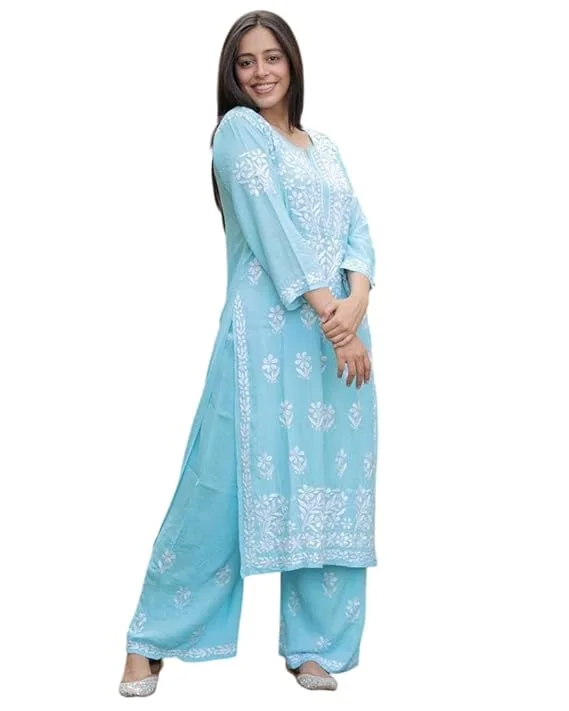
Chikankari has travelled far beyond its origins, finding space in wardrobes across the world. Designers have reimagined it through contemporary silhouettes, blending tradition with modern sensibilities. This evolution has allowed chikankari to remain relevant without losing its essence. It fits seamlessly into both traditional and modern settings, making it a versatile choice for global audiences. As conversations around sustainability and mindful fashion grow louder, chikankari quietly stands as an example of what thoughtful craftsmanship looks like. It offers not just a garment, but a philosophy that values time, skill, and authenticity.
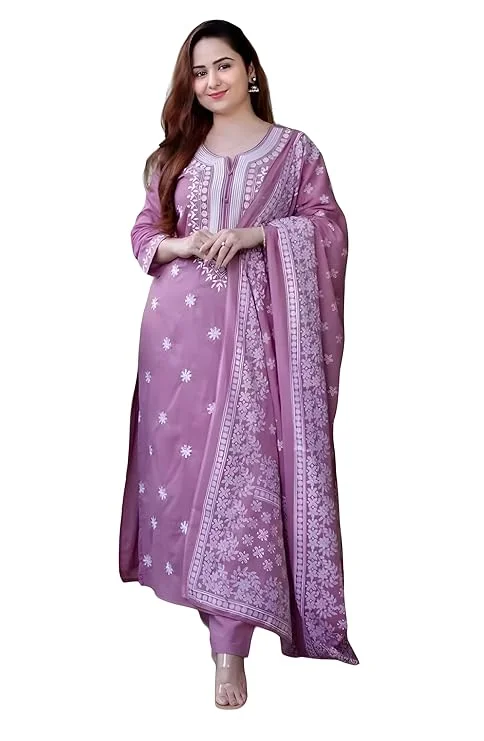
If chikankari kurtis have captured your attention, there is an entire world waiting to be explored. From flowing sarees to delicately embroidered dupattas, the craft extends beautifully across different garments. You will also find modern interpretations in dresses, tops, and even accessories like handbags and scarves. Each piece carries the same attention to detail, making it easy to incorporate chikankari into various aspects of your wardrobe. Choosing these products is not just about style; it is about supporting a tradition that continues to thrive through the dedication of its artisans.
Chikankari kurtis from Lucknow have earned their place in fashion not by following trends but by quietly transcending them. They represent a harmony of history, craftsmanship, and comfort that feels increasingly rare in today’s fast-paced world. Choosing chikankari kurti is not simply about adding another garment to your wardrobe; it is about embracing a story, a tradition, and a slower, more meaningful approach to style. As you wear it, you carry forward a legacy stitched with care, reminding yourself that true elegance often lies in the details we choose to notice.
Frequently Asked Questions (FAQs)
Q1. What makes chikankari kurti different from other embroidery styles?
Chikankari is known for its delicate hand embroidery and subtle patterns, often created using traditional stitches. Unlike other styles, it focuses on minimalism and texture rather than bold, heavy designs.
Q2. Is chikankari kurti suitable for daily wear?
Yes, chikankari kurtis are lightweight and breathable, making them ideal for everyday use. They are especially comfortable in warm climates and can be styled casually or formally.
Q3. How can you identify authentic chikankari kurti?
Authentic chikankari usually shows slight irregularities because it is handmade. The reverse side of the fabric often reveals the threadwork, unlike machine embroidery, which looks uniform on both sides.
Q4. Does chikankari kurti require special care?
It is recommended to hand-wash chikankari garments using mild detergent and avoid wringing them harshly. Proper care helps preserve both the fabric and the embroidery.
Q5. Why is chikankari kurti considered expensive?
Chikankari involves hours of intricate handwork by skilled artisans, which adds to its value. The time and craftsmanship invested make it more expensive than mass-produced garments.