
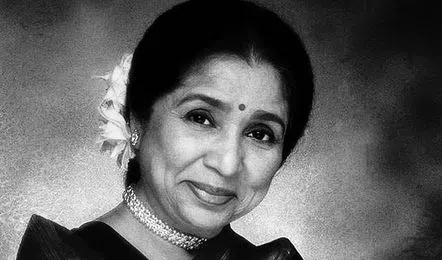
There are voices that entertain, and then there are voices that become part of everyday life. Asha Bhosle belonged to the latter. For over seven decades, her songs floated through radios, weddings, heartbreaks, and long train journeys, weaving themselves into the emotional fabric of India. On April 12, 2026, in Mumbai, that voice finally fell silent. At 92, after battling illness, she left behind not just a career, but a universe of music that refuses to be boxed into time or genre.
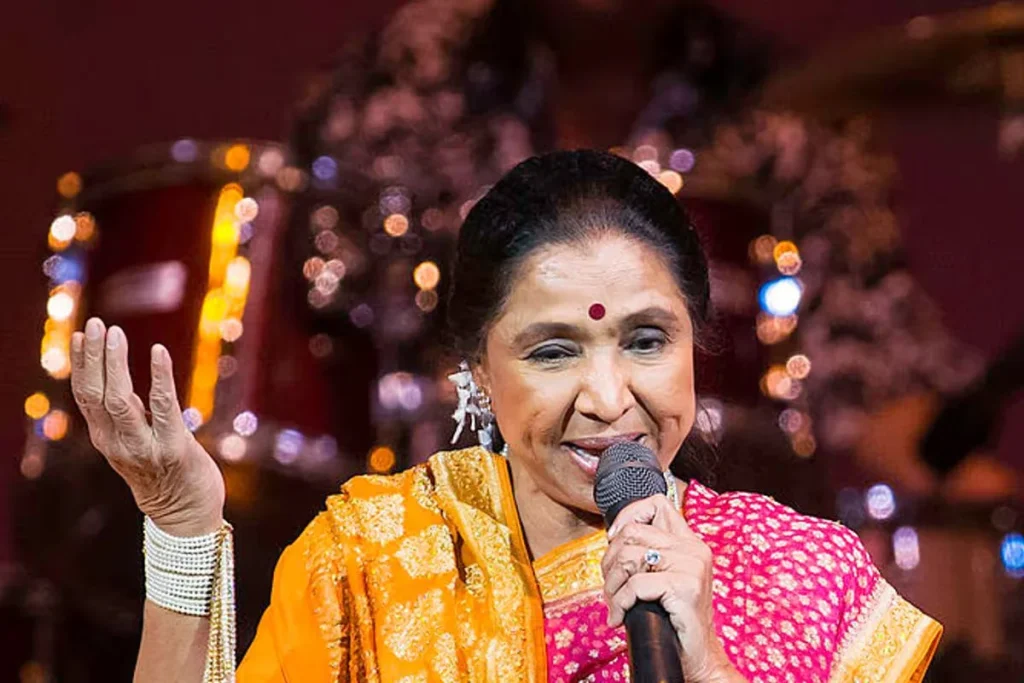
Her passing is not just a moment of grief, but a pause that feels unusually heavy. Because how do you measure a life that sang in over twenty languages and recorded more than eleven thousand songs? News reports speak of medical details and funeral arrangements, but the real story lies elsewhere. It lies in the echoes she leaves behind. This article attempts to go beyond headlines, to understand the scale of her legacy, the meaning of her absence, and why her voice will continue to outlive silence itself.
| Aspect | Details |
| Age At Passing | 92 Years |
| Date Of Death | April 12, 2026 |
| Place Of Death | Mumbai |
| Cause Of Death | Multi-Organ Failure Following Infection |
| Total Songs | 11,000 to 12,000+ |
| Languages Sung In | 20+ |
| Career Span | Over 70 Years |
| Major Awards | Padma Vibhushan, Dadasaheb Phalke Award |
| Funeral Location | Shivaji Park, Mumbai |
The Final Note Of A Timeless Voice
The final days of Asha Bhosle were marked by declining health, as reported across multiple sources. She was admitted to Breach Candy Hospital in Mumbai, where she battled respiratory complications and a chest infection. While early reports hinted at cardiac distress, medical clarity later pointed towards multi-organ failure triggered by prolonged illness. It is a clinical explanation, neat and precise, yet strangely inadequate. Because when someone like her passes, it feels less like a medical event and more like the dimming of a constellation. The body may have failed, but the voice had long achieved something close to immortality.
A Career That Refused Boundaries
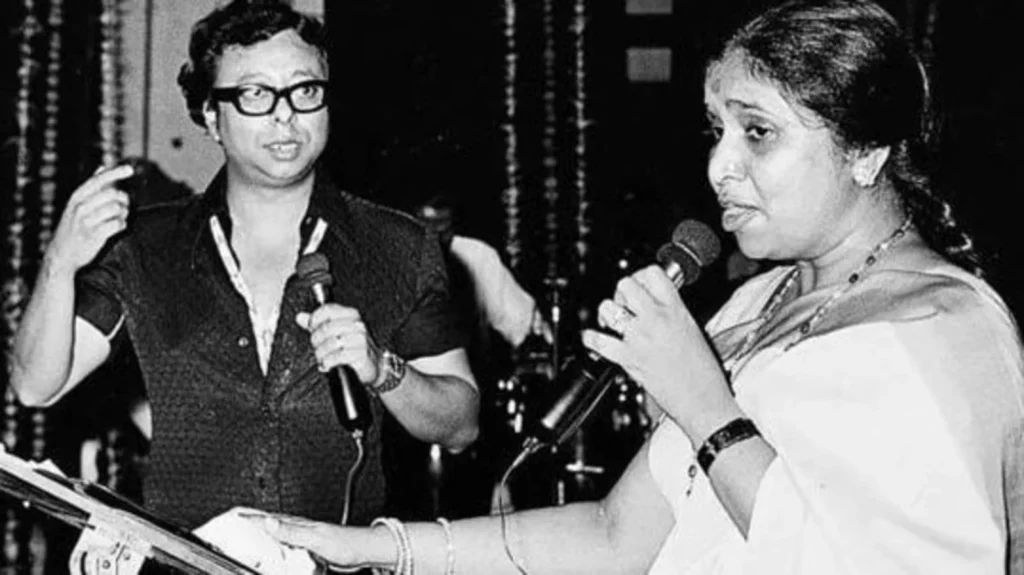
If one were to trace her journey, it would read less like a career and more like an evolving soundtrack of modern India. Beginning at a time when playback singing itself was still finding its identity, Asha Bhosle did not settle into a single style. Instead, she moved with curiosity, embracing cabaret numbers, classical compositions, ghazals, and even experimental pop long before it became fashionable. Her collaborations, especially with R. D. Burman, reshaped how Bollywood approached music. She was not merely adapting to change. She was orchestrating it, note by note, decade by decade.
Numbers That Feel Almost Unreal
Statistics often flatten human stories, yet in her case, they add to the wonder. Recording over eleven thousand songs in more than twenty languages is not just prolific. It borders on the unbelievable. Each number carries within it a different mood, a different era, a different audience. She holds a Guinness World Record for being one of the most recorded artists, a title that feels less like an achievement and more like a quiet understatement. Because behind those numbers lies something harder to quantify: the ability to remain relevant across generations without ever sounding repetitive.
The Emotional Geography Of Her Music
What made Asha Bhosle truly remarkable was not just versatility, but emotional intelligence. Her voice could flirt, mourn, celebrate, and provoke, sometimes within the same song. It adapted itself to the character, the situation, the rhythm of the story. In doing so, it created a kind of emotional geography where listeners could locate themselves. A broken heart in Delhi, a wedding in Jaipur, a late night drive in Mumbai, all somehow found resonance in her songs. Few artists manage to become this universally personal, and fewer still sustain it for decades.
A Nation Pauses To Listen
The reactions following her passing reflect the magnitude of her influence. Tributes poured in from political leaders, film personalities, and musicians across the globe. Words like “end of an era” may sound overused, yet in this context, they feel almost insufficient. Her death marks not just the loss of an individual, but the closing of a chapter in Indian cultural history. The choice of Shivaji Park for her final rites carries symbolic weight, echoing memories of past farewells to legends. It is as if the nation instinctively knows where to gather when its icons take their final bow.
Beyond Awards And Recognition
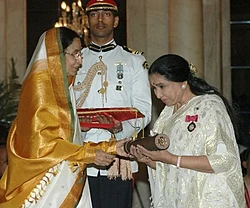
While her list of honours includes the Padma Vibhushan and the Dadasaheb Phalke Award, focusing solely on accolades would miss the essence of her legacy. Awards recognise excellence, but they cannot fully capture influence. Asha Bhosle’s true achievement lies in how effortlessly she blurred boundaries between genres, languages, and generations. She made complexity sound simple and experimentation feel familiar. Even listeners who may not recognise her name instantly can hum her tunes without hesitation. That is a rare form of cultural permanence, one that does not rely on memory alone but lives in instinct.
The Silence That Speaks Louder
There is something paradoxical about silence following a life so filled with sound. It does not feel empty. Instead, it feels dense, layered with memories, melodies, and moments that refuse to fade. Her passing invites reflection, not just on her life, but on the role music plays in shaping identity and emotion. In a world increasingly driven by fleeting trends, her legacy stands as a reminder that true artistry endures. It does not chase relevance. It becomes it. And perhaps that is why her silence feels so profoundly resonant.
Asha Bhosle’s life reminds us that art, when created with sincerity and courage, transcends time and circumstance. Her voice may no longer produce new melodies, yet it continues to echo in countless memories and moments. In losing her, we are reminded of the quiet power of music to accompany us through life’s many transitions.
Also Read: Zubeen Garg: Assam’s Eternal Voice and India’s Heartbeat, A Tribute
Rather than viewing her passing as an end, it may be more fitting to see it as a continuation in a different form. Her songs remain, waiting patiently, ready to be rediscovered, reinterpreted, and loved all over again by future generations.
Frequently Asked Questions (FAQs)
Q1. What was the cause of Asha Bhosle’s death?
She passed away due to multi-organ failure, which followed complications from a chest infection and respiratory issues. Early reports mentioned cardiac distress, but later clarifications confirmed the broader medical condition.
Q2. How many songs did Asha Bhosle record in her career?
She recorded over 11,000 to 12,000 songs across more than 20 languages. This makes her one of the most prolific singers in music history.
Q3. Where were her final rites conducted?
Her funeral took place at Shivaji Park in Mumbai. The location holds cultural significance and has been the site of farewells to several iconic figures.
Q4. What made Asha Bhosle unique as a singer?
Her versatility set her apart. She seamlessly moved between genres like classical, pop, cabaret, and ghazals, adapting her voice to suit different moods and styles.
Q5. What are some of her major achievements?
She received prestigious honours such as the Padma Vibhushan and the Dadasaheb Phalke Award. She also held a Guinness World Record for being one of the most recorded artists globally.
The Voice That Conquered A Legend’s Shadow
From ‘Dum Maro Dum’ to National Award artistry, discover the voice that defied expectations.
Asha Bhosle: A Life In Music
reveals the rare anecdotes, legendary collaborations, and personal hurdles she overcame to become a timeless musical master.