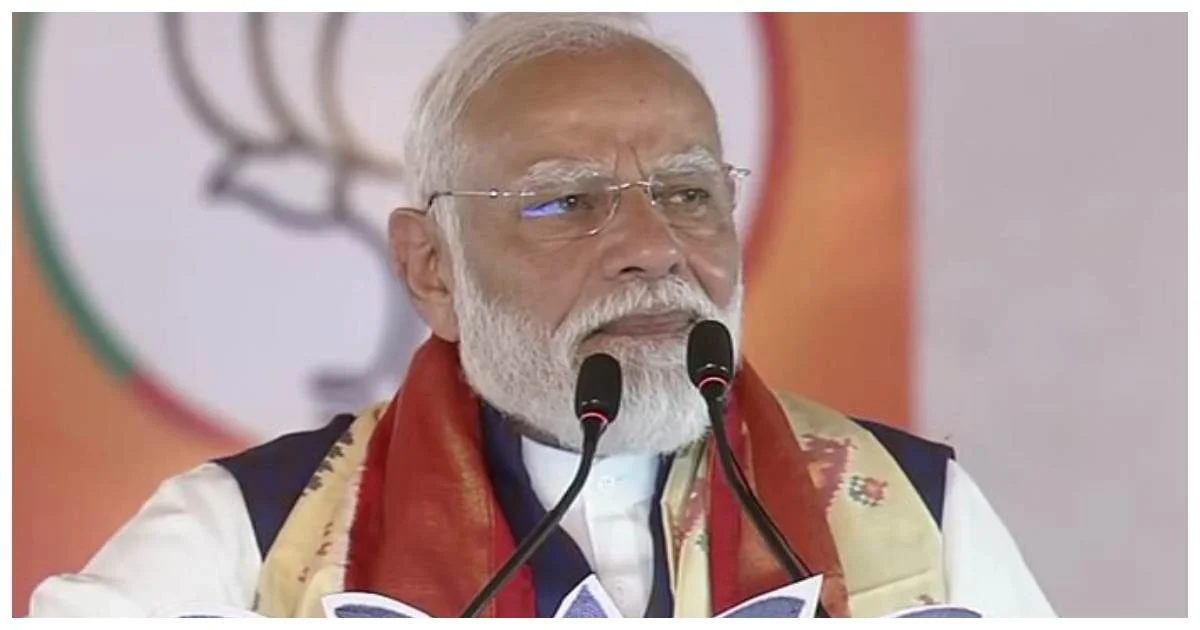
The recent public appeal by Narendra Modi has triggered one of the most intense online economic discussions in recent months. From “don’t buy gold” to “save petrol” and “work from home”, the message has evolved into a viral moment that blends policy caution, global uncertainty, and mass internet interpretation.
But beyond the memes and trending hashtags, there is a serious economic narrative shaping this conversation. Keywords like “India economic crisis”, “forex reserves”, “oil prices”, “gold buying ban”, and “save fuel Modi” are not just viral phrases, they reflect real macroeconomic sensitivities.
The Core Message Behind The Appeal
At the heart of the conversation is a simple economic principle: managing foreign exchange and controlling import dependency during global uncertainty.
India is heavily dependent on imports for crude oil and gold. When global tensions rise, especially in regions like West Asia, oil prices tend to spike. This immediately affects inflation, transport costs, and household budgets.
Similarly, gold imports drain foreign exchange reserves, especially when domestic demand rises sharply during weddings and festive seasons.
The keywords “save forex reserves India”, “oil price impact India”, and “gold import bill India” are trending because they directly connect to this macroeconomic framework.
The message being interpreted from the speech can be summarised as:
- Reduce unnecessary fuel consumption
- Avoid non-essential foreign travel
- Delay discretionary gold purchases
- Encourage work-from-home where possible
- Support domestic consumption patterns
Why “Don’t Buy Gold” Became The Most Viral Keyword
Among all phrases, “don’t buy gold Modi” and “gold buying ban India” became the most searched and discussed terms online.
Gold holds a unique place in Indian households. It is not just an investment but also emotional security, cultural tradition, and social currency. Weddings, festivals, and savings habits are deeply tied to gold consumption.
This is why even a temporary appeal around gold purchases immediately created a cultural and financial ripple effect.
Search spikes included:
- “Why did Modi ask not to buy gold”
- “Will gold prices fall after Modi speech”
- “Gold jewellery demand India 2026”
- “Jewellery stocks crash India”
The reaction was amplified because gold is perceived as a “safe asset”. Any suggestion to reduce its purchase is interpreted as a signal of economic caution.
Petrol, Oil Prices And The Global Trigger
Another major keyword cluster revolves around fuel: “save petrol Modi”, “fuel saving India”, “crude oil spike India”, and “petrol price increase India”.
India imports a significant portion of its crude oil needs. This makes the economy sensitive to global oil price shocks. Any disruption in supply routes or geopolitical tension can push prices upward quickly.
This is where the “West Asia crisis” keyword enters the conversation. Rising instability in oil-producing regions often leads to:
- Higher import bills
- Increased inflation pressure
- Transport cost escalation
- Currency pressure on the rupee
As a result, public messaging around fuel conservation becomes a preventive economic strategy rather than a restrictive policy.
Work From Home Returns As A Policy Keyword
The phrase “Modi work from home” has also started trending again, bringing back memories of the pandemic-era digital work shift.
The logic behind promoting remote work is tied to fuel consumption reduction and reduced urban congestion. Fewer daily commutes means:
- Lower petrol demand
- Reduced traffic load
- Lower carbon footprint
- Cost savings for companies and employees
Search queries like “WFH India 2026”, “work from home government advisory”, and “remote work fuel saving India” reflect how this idea is being revisited in a new economic context.
Interestingly, this time WFH is not being framed as a health necessity but as an economic efficiency tool.
Forex Reserves And Economic Stability Discussion
One of the most important but less viral keyword clusters includes:
- “India forex reserves 2026”
- “current account deficit India”
- “rupee pressure oil imports”
- “foreign exchange management India”
These terms point to the deeper macroeconomic concern: balancing imports and exports while maintaining currency stability.
When imports like oil and gold increase significantly, India must use more foreign currency to pay for them. This can reduce forex reserves and potentially weaken the rupee.
That is why discussions around reducing non-essential imports suddenly become relevant during global uncertainty.
Market Reaction And Jewellery Stock Keywords
The financial markets quickly became part of the narrative. Keywords such as:
- “Titan shares fall”
- “Kalyan Jewellers stock crash”
- “Senco Gold stock impact”
- “gold demand India stock market”
started trending as investors reacted to perceived signals of reduced gold demand.
Even though long-term demand for gold in India remains structurally strong, short-term sentiment often reacts sharply to policy messaging.
This is a classic example of how economic communication can influence market psychology even without formal policy changes.
Meme Economy: The Internet Reacts
No major public economic discussion in India is complete without memes. Keywords like:
- “Indian moms gold meme”
- “WFH meme India”
- “no gold wedding memes”
- “middle class crisis jokes”
- “petrol saving challenge meme”
began trending across X, Instagram, and YouTube Shorts.
The humour largely focuses on everyday household reactions:
- Wedding planning delays
- Jewellery shopping anxiety
- Office employees celebrating WFH
- Middle-class budgeting humour
This meme layer plays an important role in how economic messaging spreads in India. It simplifies complex macroeconomic ideas into relatable cultural moments.
Political Interpretation And Debate Keywords
The speech also triggered immediate political discourse, reflected in keywords like:
- “Modi economic policy criticism”
- “Rahul Gandhi response gold statement”
- “India economy debate 2026”
- “austerity appeal India”
Supporters frame the message as proactive economic discipline, while critics interpret it as a signal of underlying stress.
This dual interpretation is what keeps the topic trending longer than a typical policy announcement.
Also Read: What Is “Anga, Banga, Kalinga”? Decoding Modi’s Historic Blueprint For A Resurgent Eastern India
Why This Conversation Matters
Beyond the viral keywords, the discussion highlights three important realities:
1. India’s Import Sensitivity: Oil and gold remain two of the largest import categories affecting economic stability.
2. Global Conflict Spillover: Events outside India, especially in energy-producing regions, directly influence domestic prices and inflation.
3. Behavioural Economics In Action: Public messaging can influence consumption patterns, even without formal restrictions.
The surge in keywords like “save petrol Modi”, “don’t buy gold”, “WFH India”, “India forex reserves”, and “oil price impact” reflects more than just online curiosity. It represents how closely global events, domestic policy signals, and everyday consumer behaviour are now interconnected.
Whether viewed as precautionary guidance or economic signalling, the conversation shows how quickly financial narratives can move from policy speech to viral internet culture.
In the end, the story is not just about gold or petrol. It is about how an entire economy interprets uncertainty in real time, one keyword at a time.
Frequently Asked Questions (FAQs)
Q1. Why is “don’t buy gold” trending in India?
It trended after public remarks by Narendra Modi encouraging reduced gold purchases to help manage foreign exchange pressure during global uncertainty.
Q2. Is India facing an economic crisis?
There is no official declaration of crisis. The discussion is mainly about precautionary measures due to global oil price volatility and import dependency.
Q3. Why is saving petrol being discussed?
Because India imports a large share of its crude oil. Higher global oil prices can increase inflation and pressure the economy, so fuel-saving behaviour is being encouraged.
Q4. Does this mean gold prices will fall?
Not necessarily. Gold prices are influenced by global demand, currency movements, and market sentiment, not just domestic consumption trends.
Q5. Why is work from home being mentioned again?
Work-from-home reduces daily fuel consumption and congestion, which can indirectly help manage import costs and energy demand during volatile periods.