
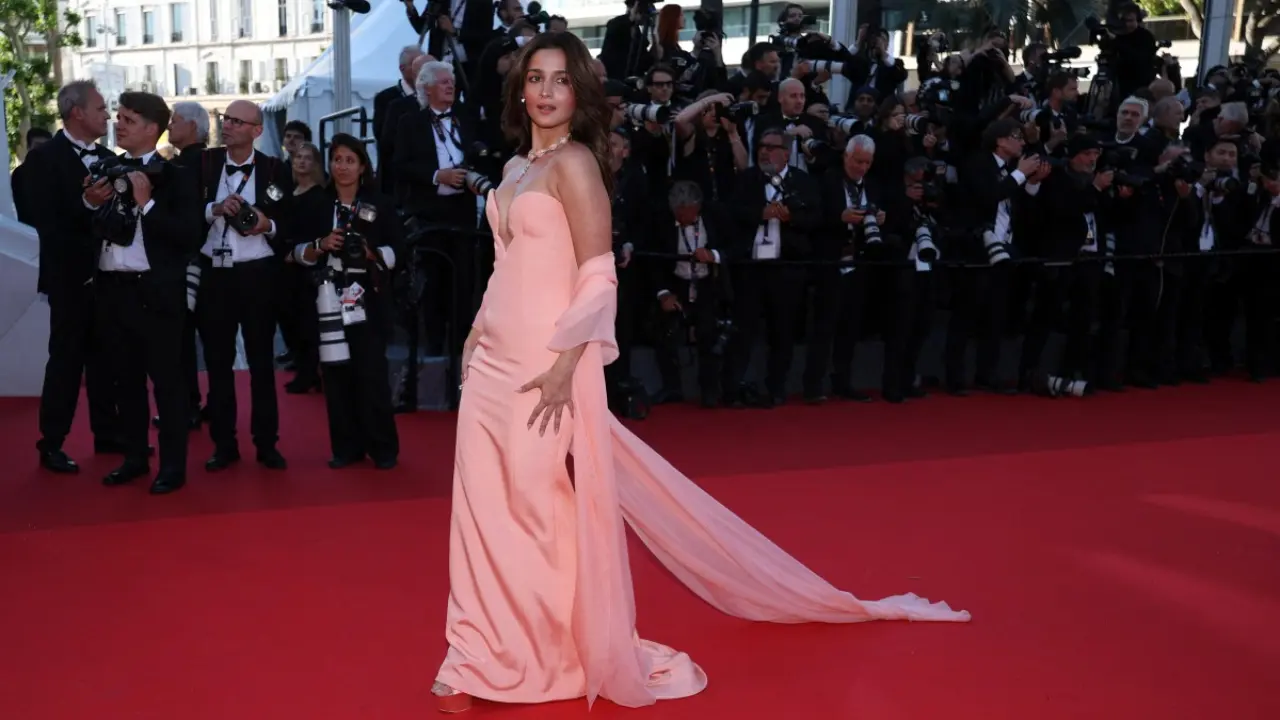
One red carpet. A few seconds of silence. And suddenly, the internet had found its newest obsession. The Alia Bhatt Met Gala controversy has become one of the most talked-about celebrity moments online. What started as a few viral clips from the Met Gala quickly turned into a full-blown social media debate about Bollywood, global fame and whether Indian celebrities are truly recognised on international platforms.
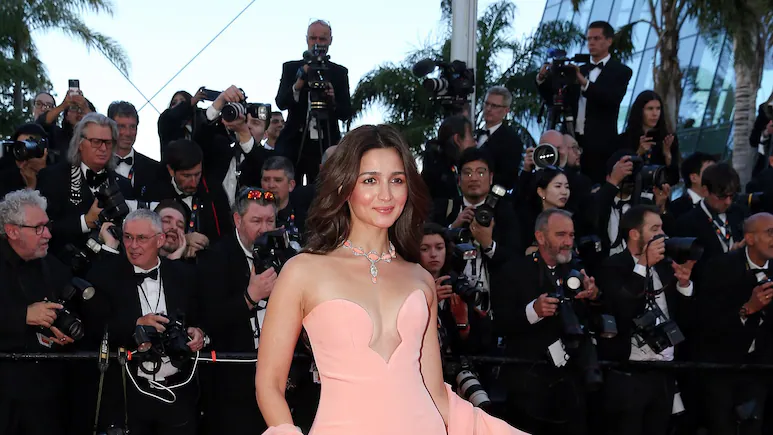
Across Instagram, X and YouTube, users began sharing videos claiming Alia Bhatt was “ignored” by international paparazzi during the Met Gala red carpet. Some fans were angry. Some people made memes. Others started comparing Bollywood stars with Hollywood celebrities.
But the controversy became much bigger than a simple fashion moment. It turned into a conversation about global influence, internet culture and how social media can transform a tiny moment into a worldwide debate overnight.
The Viral Clip That Started The Controversy
The entire drama began after short videos from the Met Gala started going viral online. In the clips, Alia Bhatt can be seen posing on the carpet while photographers appear quieter compared to the loud reactions received by some Hollywood celebrities nearby. The internet immediately noticed it. Soon, captions like:
- “Alia Bhatt ignored by paparazzi”
- “Met Gala snubs Alia Bhatt”
- “Bollywood stars not respected globally”
started spreading everywhere. Within hours, the clips were reposted thousands of times. Meme pages jumped in. Fan accounts began defending her. Critics started analysing every second of the footage like detectives solving a fashion mystery. The internet does not need much fuel. Sometimes all it takes is one awkward pause and suddenly everyone becomes an expert.
Why People Reacted So Emotionally
The strong reaction was not only about Alia Bhatt herself. It was also about pride. For many Indian fans, international events like the Met Gala are more than celebrity parties. They are moments where Indian stars represent the country on a global stage. Every outfit, interview and paparazzi interaction becomes symbolic.
So when people felt Alia Bhatt did not receive the same attention as Western celebrities, many interpreted it as disrespect towards Bollywood itself. Fans online started saying:
- “Bollywood is still underestimated.”
- “Indian celebrities deserve more recognition.”
- “Western media only uses Bollywood stars for social media reach.”
The debate quickly became emotional because it touched on identity and representation. Many people wanted to see an Indian actress receive the same excitement and spotlight as Hollywood stars. Instead, the viral clips made some viewers feel that Bollywood was still treated like an outsider in elite fashion spaces.
Social Media Turned The Moment Into A Storm
One of the biggest reasons the Alia Bhatt Met Gala controversy exploded so quickly is that social media loves dramatic narratives. A three-second clip can now become international news within minutes.
People began editing the footage, slowing it down, zooming in on Alia’s expressions and adding dramatic music. Some posts exaggerated the silence to make the moment appear even more uncomfortable. Soon, the internet had already created a complete storyline:
“Alia Bhatt gets ignored at Met Gala.”
The problem is that viral moments online are rarely simple. Once a narrative becomes popular, people stop checking the full context. Many users who never watched the actual Met Gala livestream still formed strong opinions based only on short edited clips. This is how internet culture works today. Reality gets filtered through algorithms before most people even see it.
Was Alia Bhatt Actually Ignored?
Not everyone agreed with the outrage. Several fashion commentators pointed out that international red carpets work differently from Bollywood events. Paparazzi at global fashion events usually focus on celebrities they photograph regularly throughout the year.
Hollywood stars naturally receive louder reactions because photographers are more familiar with them. That does not necessarily mean newer attendees are being intentionally ignored. This has happened before with many international celebrities, including singers, athletes and K-pop stars attending Western events for the first time.
Some people argued that the internet exaggerated Alia Bhatt’s experience to create drama. Others pointed out something ironic: Even though people claimed Alia was “ignored,” she became one of the most talked-about celebrities online after the event. In the digital world, controversy itself becomes publicity.

Bollywood vs Hollywood Debate Returns Again
The Alia Bhatt Met Gala controversy reopened a debate that appears every few months online: Is Bollywood truly global? Indian cinema is one of the biggest film industries in the world. Bollywood stars have millions of followers and massive fan bases. Songs and movie clips regularly go viral internationally. But critics argue that social media popularity is different from actual influence within Hollywood or global fashion circles.
This is why many users started comparing Alia Bhatt with stars like Priyanka Chopra Jonas and Deepika Padukone. Priyanka Chopra has worked in Hollywood projects for years and regularly attends international fashion events. Deepika Padukone has also become a familiar face at luxury brand campaigns and film festivals.
Because of that, many people felt they received stronger recognition globally. However, supporters of Alia Bhatt argued that global fame takes time to build and comparing celebrities unfairly only creates unnecessary negativity. Still, comparisons continued dominating the internet for days.
The Pressure Of Global Validation
One interesting part of the controversy is how much importance people place on Western recognition. Many fans celebrated Alia Bhatt simply for attending an event as exclusive as the Met Gala. But others focused entirely on whether foreign photographers shouted her name loudly enough. That says a lot about modern celebrity culture.
Some users questioned why Bollywood constantly seeks approval from Western institutions when Indian cinema already has enormous influence across Asia and beyond. Others argued that global visibility matters because it helps Indian artists break into international markets. The controversy showed that audiences themselves are divided. One side believes Bollywood needs stronger global recognition. The other believes Bollywood should stop measuring success through Hollywood standards.
The Meme Culture Around The Controversy
Of course, the internet also turned the situation into comedy content almost immediately. Memes flooded social media platforms:
- Edited videos of silent classrooms
- “POV: nobody notices you at a party”
- Fake paparazzi dialogues
- Bollywood reaction templates
The situation became entertainment. This is another reason why celebrity controversies grow so quickly today. Social media users enjoy participating in the joke. Every meme keeps the topic alive for longer. At one point, even people who did not care about fashion or the Met Gala knew about the controversy because memes had spread everywhere. The internet can transform almost anything into a trending spectacle.

Did Edited Clips Make Things Worse?
Many fans also accused social media pages of manipulating the videos. Some clips reportedly muted background sounds or cropped footage to make the carpet appear quieter around Alia Bhatt. Other videos focused only on moments where photographers were busy elsewhere.
This added another layer to the controversy. People began debating whether the internet was intentionally trying to embarrass her for engagement and clicks. In the age of viral content, outrage often performs better than truth. The more awkward the clips looked, the faster they spread online. That is why many users later urged people to watch the full event footage before jumping to conclusions.
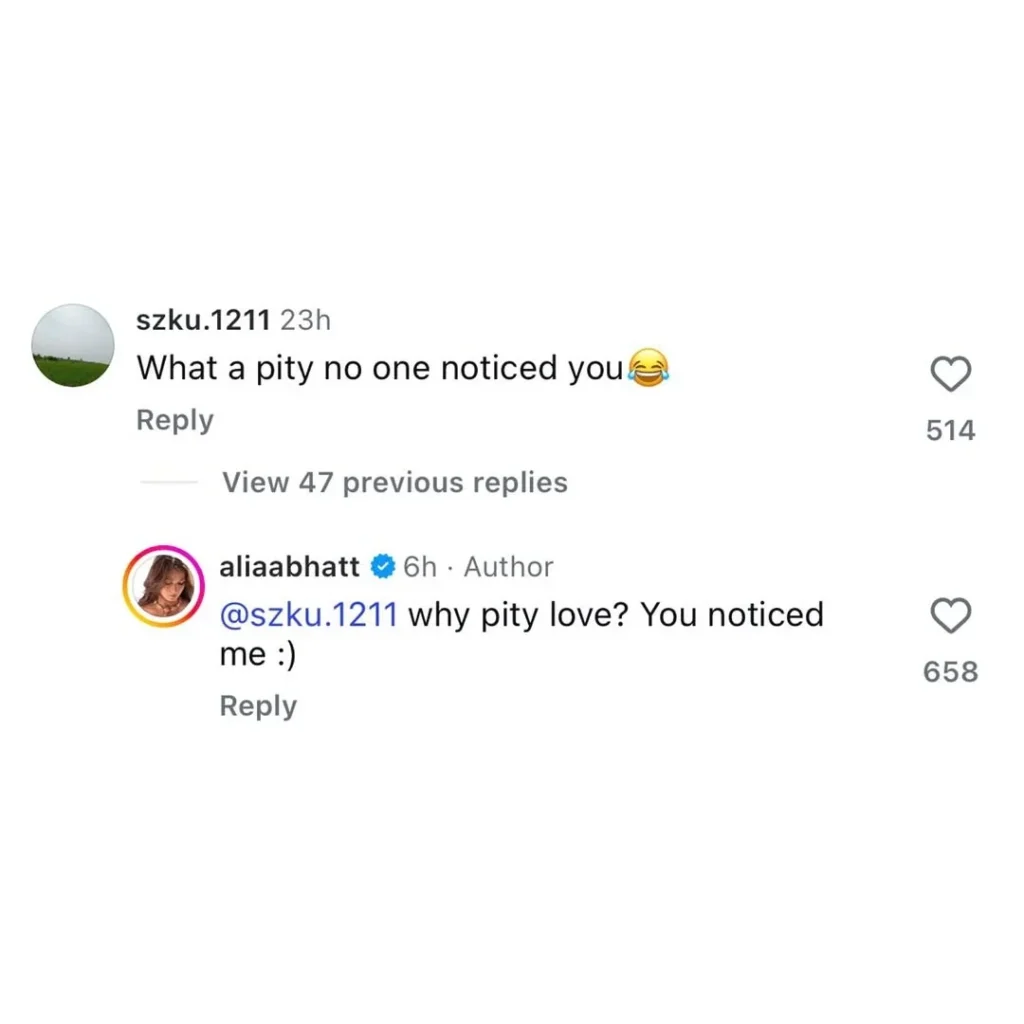
More Than Just A Red Carpet Moment
At its core, the Alia Bhatt Met Gala controversy was never just about paparazzi. It became a symbol of:
- Bollywood’s place in global entertainment
- The internet’s obsession with celebrity validation
- Fan culture and online rivalry
- The power of viral editing
- And society’s growing dependence on social media narratives
The controversy also revealed how quickly people attach emotional meaning to celebrity moments. A few seconds of silence became a global debate about fame, identity and cultural respect. That is the strange magic of the internet age. Tiny moments grow into giant headlines before anyone fully understands what happened.
In Conclusion
Whether Alia Bhatt was genuinely ignored at the Met Gala or whether the situation was exaggerated by social media may never have a clear answer. But the controversy proved one thing very clearly: online perception matters almost as much as reality now.
The internet took one red carpet clip and transformed it into a worldwide discussion about Bollywood’s global influence. Fans defended. Critics mocked. Meme pages celebrated. Algorithms pushed the drama further every hour.
And somewhere between flashing cameras, edited videos and trending hashtags, a simple fashion appearance became one of the year’s biggest celebrity controversies. In 2026, sometimes the viral moment becomes more important than the event itself.
Frequently Asked Questions (FAQs)
Q1. Why did Alia Bhatt trend after the Met Gala?
She trended after viral videos claimed international paparazzi ignored her on the red carpet.
Q2. Was Alia Bhatt really ignored by paparazzi?
Some people believe she was overlooked, while others say the clips were exaggerated online.
Q3. Why did the controversy become so viral?
The issue sparked debates about Bollywood’s global fame and social media culture.
Q4. Did edited videos make the situation look worse?
Many fans believe some clips were selectively edited for dramatic effect.
Q5. What is the main debate around the controversy?
The debate focuses on whether Bollywood stars receive equal recognition at global events.