
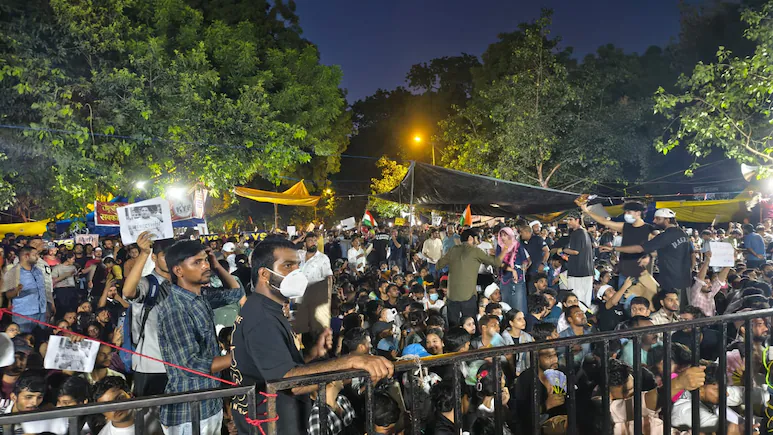
The controversy surrounding the National Eligibility-cum-Entrance Test (NEET) has taken another significant turn. In a move that could ease tensions after weeks of protests, the Delhi government has announced that no adverse legal action will be taken against eligible Cockroach Janta Party (CJP) protesters, while the arrests made during the demonstrations will be reviewed. The decision comes after sustained protests over alleged irregularities in the NEET examination, a series of discussions between government representatives and CJP leaders, and growing public pressure to address the concerns of students. While authorities have clarified that the relief does not apply to individuals involved in serious criminal offences, the announcement is being viewed as a major breakthrough in the ongoing agitation.
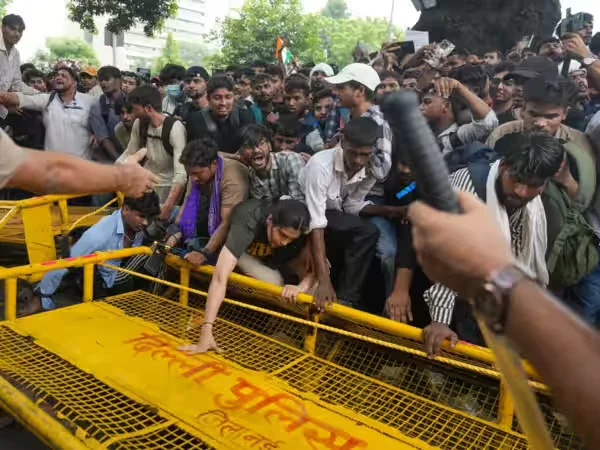
The latest development has shifted the focus from confrontation to dialogue, raising fresh questions about the future of the protest movement, the government’s strategy, and the larger issue of examination reforms in India.
How the NEET Protest Movement Began
The controversy began after allegations of irregularities in the NEET examination. Students, parents, and education activists questioned the transparency of the examination process, citing concerns over paper leaks, unfair practices, and the credibility of the country’s largest medical entrance exam.
As frustration grew, the Cockroach Janta Party (CJP) emerged as one of the most vocal political groups supporting students. The party organised demonstrations, public meetings, and protest marches demanding accountability and systemic reforms. Thousands of students and supporters gathered at Delhi’s Jantar Mantar, turning it into the centre of the nationwide movement. The protesters demanded:
- A transparent investigation into alleged irregularities.
- Accountability from officials responsible for conducting the examination.
- Stronger security measures for future competitive exams.
- Protection of students whose careers were affected.
- Reforms to restore confidence in India’s examination system.
Escalation of the Protests
As the demonstrations gained momentum, CJP announced plans for a march towards Parliament. However, Delhi Police denied permission for the proposed march, citing security concerns and prohibitory orders in sensitive areas of the national capital. Despite the restrictions, protesters attempted to continue their demonstrations, leading to detentions and arrests.
Police maintained that their actions were aimed at maintaining public order, while CJP accused authorities of suppressing democratic protests. The confrontation intensified political debate across the country, with opposition parties and student organisations criticizing the handling of peaceful demonstrations.
Government Opens Dialogue
After days of protests, the government initiated discussions with CJP representatives. Late-night meetings between government officials and party leaders reportedly focused on finding a peaceful resolution without further escalation. The talks marked the first significant sign that both sides were willing to engage constructively. Although differences remained regarding the larger demands on NEET reforms, the discussions helped reduce tensions and paved the way for the latest announcement regarding legal action against protesters.
Delhi Government Announces Relief
In its latest decision, the Delhi government stated that eligible CJP protesters will not face adverse legal action for participating in the demonstrations. Authorities also confirmed that arrests and detentions made during the protests will be reviewed individually. The review is expected to determine whether the detained individuals were exercising their democratic right to peaceful protest or were involved in activities that violated the law.
Officials clarified that the government’s intention is to distinguish between peaceful demonstrators and individuals accused of unrelated criminal acts. This distinction is important because it balances the constitutional right to protest with the responsibility of maintaining public safety.
What Does “No Adverse Legal Action” Mean?
The government’s statement has generated considerable public interest. In practical terms, it means authorities may refrain from pursuing criminal proceedings against protesters who participated peacefully in the demonstrations. However, the announcement does not amount to a blanket withdrawal of all legal cases.
Each case will undergo scrutiny before any decision is taken. People accused of violence, destruction of public property, or other serious criminal offences are unlikely to receive similar relief. Therefore, the review process remains an important step before any final decisions are made.
Review of Arrests
The review of arrests is expected to involve multiple agencies examining:
- The circumstances surrounding each detention.
- Video evidence and police reports.
- Whether protesters complied with police instructions.
- Whether force was necessary.
- Whether arrests were proportionate to the situation.
Legal experts believe such reviews are intended to ensure fairness while reducing unnecessary criminal proceedings against peaceful protesters. The process may also help rebuild trust between authorities and citizens.
Why the Decision Matters
The government’s latest move carries significance beyond the immediate protests. It reflects an attempt to reduce political tensions while acknowledging public concerns over students’ rights. India has witnessed numerous student-led movements in recent decades, and governments often face the challenge of balancing law enforcement with democratic freedoms.
By reviewing arrests rather than automatically prosecuting protesters, authorities appear to be signalling a more conciliatory approach. For many students and parents, the announcement is seen as recognition that peaceful dissent should not automatically result in criminal consequences.
The Constitutional Right to Protest
India’s Constitution guarantees citizens the freedom of speech and peaceful assembly. However, these rights are subject to reasonable restrictions in the interest of public order and security. This often creates difficult situations for law enforcement agencies during large-scale demonstrations.
Courts have repeatedly observed that peaceful protest is an essential feature of democracy, but they have also emphasized that protests should not endanger public safety or disrupt essential services. The review of arrests reflects this constitutional balance.
Impact on Students
Many students involved in the protests feared that criminal cases could affect:
- Future employment.
- Government examinations.
- Passport applications.
- Educational opportunities.
- Professional licensing.
The government’s decision has therefore provided reassurance to many participants. Students’ organizations have welcomed the move while continuing to demand broader reforms in examination management. Many believe that protecting peaceful protesters is only one part of the solution, and lasting reforms remain necessary.
Political Reactions
The announcement has drawn mixed political reactions. Supporters of the government argue that the decision demonstrates responsiveness and willingness to engage with public concerns. Opposition leaders, meanwhile, have claimed the relief validates earlier criticism of the police response to the demonstrations. Political analysts suggest that the move may help lower tensions while allowing the government to focus on addressing the substantive issues surrounding NEET.
What Happens Next?
Although the legal relief represents an important development, the larger debate over examination reforms continues. Key issues likely to remain in focus include:
- Strengthening examination security.
- Improving transparency.
- Preventing paper leaks.
- Faster investigation of complaints.
- Better communication with students.
- Increased accountability for examination authorities.
Education experts argue that public confidence can only be restored through systemic reforms rather than temporary administrative measures.
Broader Lessons from the NEET Agitation
The NEET protests have highlighted several broader challenges facing India’s education system.
1. Trust in Competitive Examinations
Millions of students spend years preparing for competitive examinations. Any allegation of irregularity can seriously affect public confidence. Maintaining transparency is therefore essential.
2. Student Mental Health
The uncertainty surrounding examinations places enormous psychological pressure on students. Timely communication and effective grievance mechanisms can reduce anxiety during crises.
3. Importance of Peaceful Dialogue
The latest developments demonstrate that sustained dialogue often produces better outcomes than prolonged confrontation. Constructive engagement between governments and protest groups can help resolve disputes more effectively.
4. Role of Democratic Institutions
The protests have once again shown the importance of democratic institutions, judicial oversight, and constitutional protections in resolving public disputes.
Challenges That Still Remain
Despite the government’s announcement, several questions remain unanswered.
These include:
- Will all peaceful protesters receive relief?
- How long will the review process take?
- Will any FIRs be withdrawn?
- What reforms will be introduced for future examinations?
- Will similar situations be handled differently in the future?
The answers to these questions will determine whether the latest announcement marks the end of the controversy or simply another chapter in the ongoing debate.
Public Response
The public response has largely been one of cautious optimism. Many parents have welcomed the government’s softer approach while continuing to demand accountability for alleged examination irregularities. Student groups have described the announcement as a positive step but insist that meaningful reforms are still needed to ensure fairness in future examinations. Legal experts have also emphasized that reviewing arrests on a case-by-case basis is preferable to a blanket approach, as it protects both individual rights and the rule of law.
Also Read: Dharmendra Pradhan Resigns: Who Is the New Education Minister? Here’s Everything We Know
Looking Ahead
The Delhi government’s decision to review arrests and refrain from adverse legal action against eligible CJP protesters represents a notable shift in the handling of the NEET agitation. While it does not resolve every issue surrounding the controversy, it signals a willingness to prioritize dialogue over confrontation.
For students, the announcement offers relief from the fear of long-term legal consequences. For policymakers, it underscores the importance of maintaining public trust in India’s examination system. And for the broader public, it serves as a reminder that democratic societies function best when dissent is heard, rights are respected, and institutions respond with fairness and accountability.
Whether this marks the beginning of lasting education reforms remains to be seen. What is clear, however, is that the NEET agitation has become more than a dispute over a single examination, it has evolved into a wider conversation about transparency, governance, and the rights of students in India’s democracy.
Frequently Asked Questions (FAQs)
Q1. Why is the Delhi government reviewing the arrests of CJP protesters?
The government has decided to examine whether those arrested were peaceful protesters and to ensure that unnecessary legal action is not taken against eligible participants.
Q2. Will all CJP protesters be exempt from legal action?
No. The relief is intended for eligible peaceful protesters. Individuals accused of serious criminal offences or violence may still face legal proceedings.
Q3. What triggered the CJP-led NEET protests?
The protests were sparked by allegations of irregularities in the NEET examination, with demands for greater transparency, accountability, and reforms in the examination system.
Q4. Does this decision end the NEET controversy?
No. While it addresses the legal concerns of many protesters, broader issues related to examination reforms and transparency remain unresolved.
Q5. What could happen next?
Authorities are expected to complete the review of arrests, while discussions on examination reforms and improvements to India’s competitive testing system are likely to continue.