
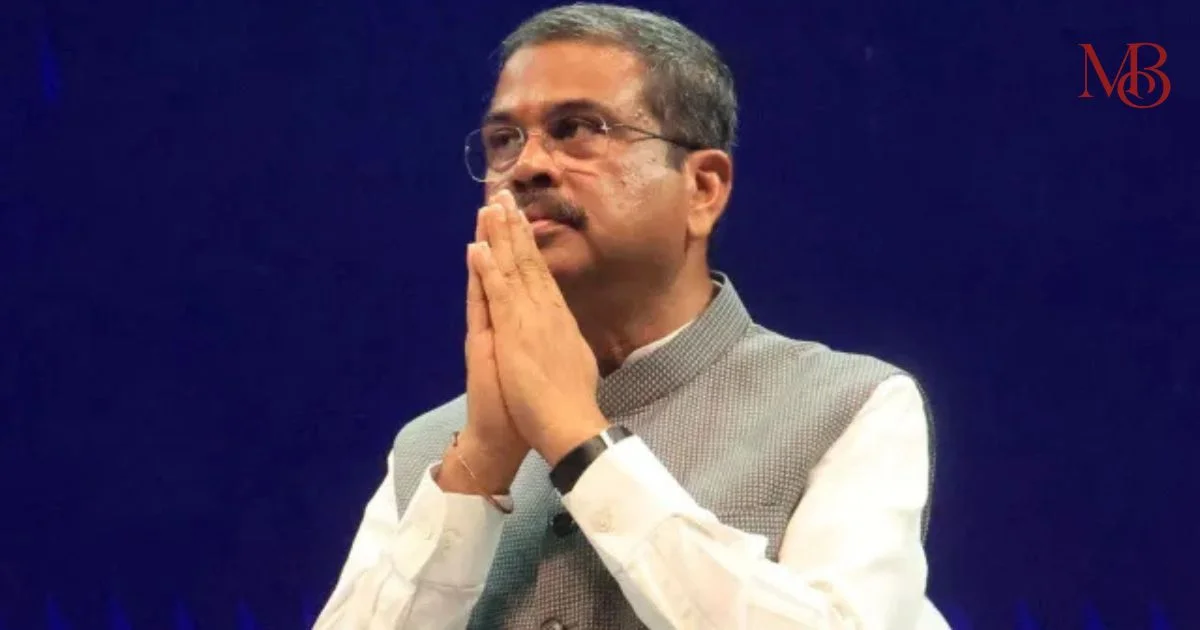
The Indian political landscape witnessed a significant development on July 25, 2026, when Dharmendra Pradhan resigns as the Union Education Minister, bringing an end to his five-year tenure at the Ministry of Education. Shortly after the resignation was accepted by President Droupadi Murmu, Union Minister Pralhad Joshi was entrusted with the additional charge of the Ministry of Education, marking an important transition in one of the country’s most crucial ministries.
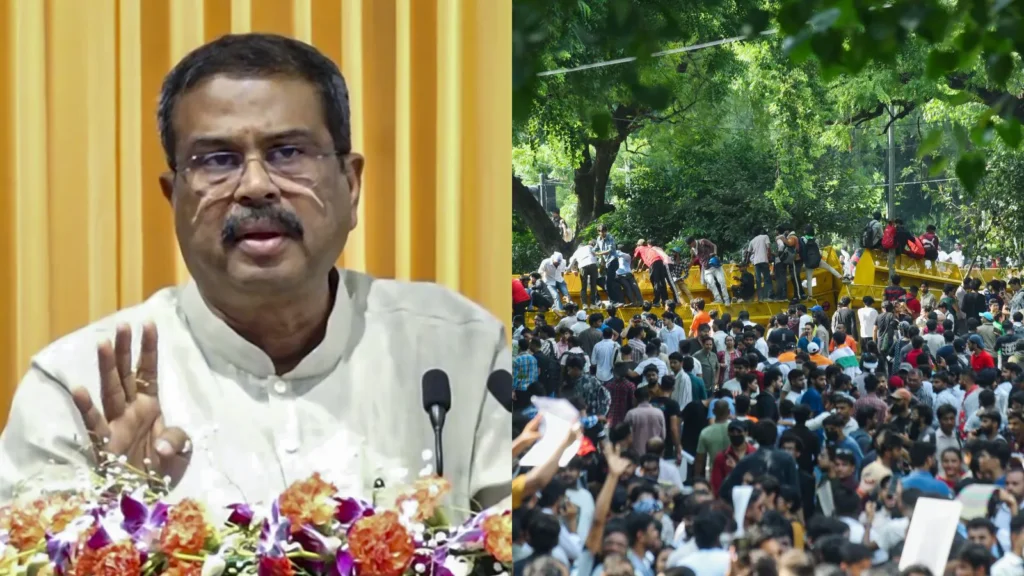
The move comes after weeks of nationwide protests led largely by students and youth groups demanding accountability over examination-related controversies and broader concerns surrounding India’s education system. While the government has assured continuity in educational reforms, the leadership change has sparked widespread discussions about the future of school education, higher education, and competitive examinations.
Dharmendra Pradhan Steps Down
Dharmendra Pradhan submitted his resignation on Saturday, stating that he wanted to take responsibility amid mounting public pressure and prevent further disruption to students’ futures. President Droupadi Murmu accepted the resignation on the advice of Prime Minister Narendra Modi. Soon afterward, senior BJP leader Pralhad Joshi was assigned the additional responsibility of overseeing the Ministry of Education while continuing with his existing ministerial portfolio.
Pradhan’s departure marks one of the most significant cabinet changes in the Modi government’s third term, especially because the Education Ministry directly impacts millions of students preparing for board examinations, higher education admissions, and national entrance tests.
Why Did Dharmendra Pradhan Resign?
The resignation followed weeks of intense public protests, primarily led by students and youth organizations over allegations of examination irregularities and demands for greater accountability in the education system. The protests, which spread across several states, called for stronger reforms in examination processes, greater transparency, and institutional accountability. As demonstrations intensified, political pressure on the Union government increased substantially.
Although Pradhan defended many of the reforms introduced during his tenure, he ultimately decided to step down, saying that his resignation should not become an obstacle to restoring public confidence in the education system.
Dharmendra Pradhan’s Tenure as Education Minister
Dharmendra Pradhan assumed charge of the Ministry of Education in July 2021 following a cabinet reshuffle. During his tenure, the ministry focused on several ambitious initiatives, including:
- Implementation of the National Education Policy (NEP) 2020
- Expansion of digital learning platforms
- Promotion of multilingual education
- Skill development initiatives
- Reforms in higher education governance
- Modernization of entrance examination systems
His ministry also emphasized integrating technology into classrooms, encouraging research and innovation, and improving vocational education. However, despite these achievements, recurring controversies surrounding national entrance examinations became a major challenge and increasingly overshadowed several policy successes.
Who Is the New Education Minister?
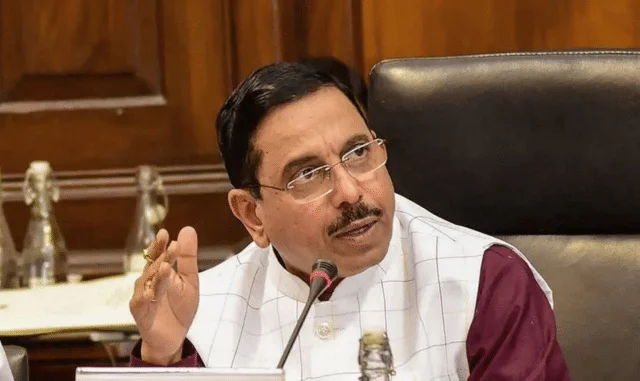
Following Pradhan’s resignation, Pralhad Joshi has been given the additional charge of the Ministry of Education. Joshi is among the Bharatiya Janata Party’s most experienced leaders and has held several important positions in both Parliament and the Union Cabinet.
Political Background
Pralhad Joshi represents Dharwad in Karnataka and is known for his organizational skills and administrative experience. He has previously handled major portfolios including:
- Parliamentary Affairs
- Coal
- Mines
Throughout his political career, Joshi has earned a reputation for maintaining coordination between different ministries and ensuring smooth legislative functioning. His appointment suggests that the government is looking for an experienced administrator capable of restoring confidence while maintaining policy continuity.
Why Was Pralhad Joshi Chosen?
Although the government has not officially explained the reasoning behind the appointment, political observers point to several factors.
Administrative Experience: Managing multiple ministries requires considerable administrative expertise, something Joshi has demonstrated over several years.
Parliamentary Coordination: Education reforms often require close cooperation between Parliament, state governments, universities, and regulatory bodies. Joshi’s parliamentary experience could prove valuable in navigating these complexities.
Political Stability: Instead of appointing a completely new face, assigning the portfolio to an experienced Cabinet minister allows the government to ensure continuity during a politically sensitive period.
Also Read: Delhi Chhatra Sansad 2026: Empowering India’s Future Leaders Through Parliamentary Simulations
Immediate Challenges Before the New Education Minister
Taking charge of the Education Ministry at this stage presents several immediate challenges.
Restoring Student Trust
Perhaps the biggest challenge is rebuilding confidence among students and parents. Millions of aspirants rely on national entrance examinations every year. Ensuring fairness, transparency, and timely conduct of these exams will remain a top priority.
Examination Reforms
Calls for stronger safeguards against paper leaks, improved digital monitoring, and stricter accountability mechanisms have grown louder. Many education experts believe the ministry may now accelerate reforms within examination agencies and testing systems.
Higher Education Expansion
India continues to witness increasing demand for quality universities, research funding, and international collaborations. Balancing expansion with quality remains another major responsibility.
Implementing NEP 2020
The National Education Policy is still in different stages of implementation across states. The new minister will have to ensure that reforms continue without major disruption.
What Could Change Under the New Leadership?
Although it is too early to predict policy changes, experts believe a few areas could receive immediate attention. These include:
- Greater transparency in entrance examinations
- Strengthening the National Testing Agency
- Faster grievance redressal mechanisms
- Increased digital surveillance during examinations
- Better communication between the ministry and students
- Stronger coordination with state education departments
Whether these reforms emerge immediately will depend on the government’s broader strategy over the coming months.
Political Significance of the Resignation
Cabinet resignations involving major ministries are relatively uncommon. The Education Ministry is among the government’s most visible departments because its decisions affect students, educational institutions, teachers, researchers, and parents across the country. The resignation therefore carries political significance beyond administrative reshuffling.
For the opposition, it represents accountability following sustained public pressure. For the government, appointing an experienced Cabinet minister indicates an effort to stabilize the situation quickly while minimizing policy disruption.
Reactions Across the Country
Student organizations largely welcomed the leadership change while emphasizing that their larger demands extend beyond a ministerial resignation. Education experts have called the transition an opportunity to strengthen institutional reforms rather than merely changing leadership.
Several university teachers and policy analysts have argued that long-term structural improvements, including examination reforms, university funding, faculty recruitment, and research investments, remain equally important. Political leaders from different parties have also reacted, with many describing the development as a significant moment in recent education policy.
What Happens Next?
For now, Pralhad Joshi has assumed the additional charge of the Education Ministry. In the coming weeks, attention will likely focus on:
- Future examination schedules
- Possible administrative changes
- Review of examination procedures
- Meetings with education officials
- Student outreach initiatives
- Implementation of pending reforms
The government’s immediate priority appears to be ensuring stability while restoring public confidence in India’s education system.
What This Means for Students
For students preparing for competitive examinations, board exams, or university admissions, the leadership change does not immediately alter examination schedules or existing academic policies. However, students can expect the ministry to prioritize:
- Transparent examination systems
- Improved communication
- Faster resolution of grievances
- Stronger anti-paper leak measures
- Continued implementation of educational reforms
Parents, educational institutions, and coaching centres will also closely monitor the ministry’s next steps.
Looking Ahead
Leadership changes often become defining moments for major ministries. Dharmendra Pradhan’s resignation marks the end of an eventful chapter in India’s education administration. His tenure saw significant policy initiatives alongside difficult controversies that eventually led to mounting public pressure.
With Pralhad Joshi now overseeing the Ministry of Education, expectations are high. Students, educators, universities, and policymakers alike will be watching closely to see how the ministry addresses immediate concerns while continuing long-term reforms. The coming months will likely determine whether this transition becomes merely a cabinet reshuffle or the beginning of a broader transformation in India’s education system.
Also Read: How World War I Accidentally Gave India Its First Soap
Frequently Asked Questions (FAQs)
Q1. Why did Dharmendra Pradhan resign as Education Minister?
He resigned after weeks of nationwide protests and growing pressure over examination-related controversies and accountability issues.
Q2. Who is the new Education Minister of India?
Union Minister Pralhad Joshi has been given the additional charge of the Ministry of Education.
Q3. Will students be affected immediately?
No. Existing examination schedules and education policies are expected to continue while the new leadership reviews the ministry’s priorities.
Q4. What are the biggest challenges for the new minister?
Restoring student confidence, strengthening examination systems, implementing NEP 2020, and improving transparency will be key challenges.
Q5. Is Pralhad Joshi holding only the Education Ministry?
No. He has been assigned the additional charge of the Education Ministry while continuing to handle his existing portfolio.