
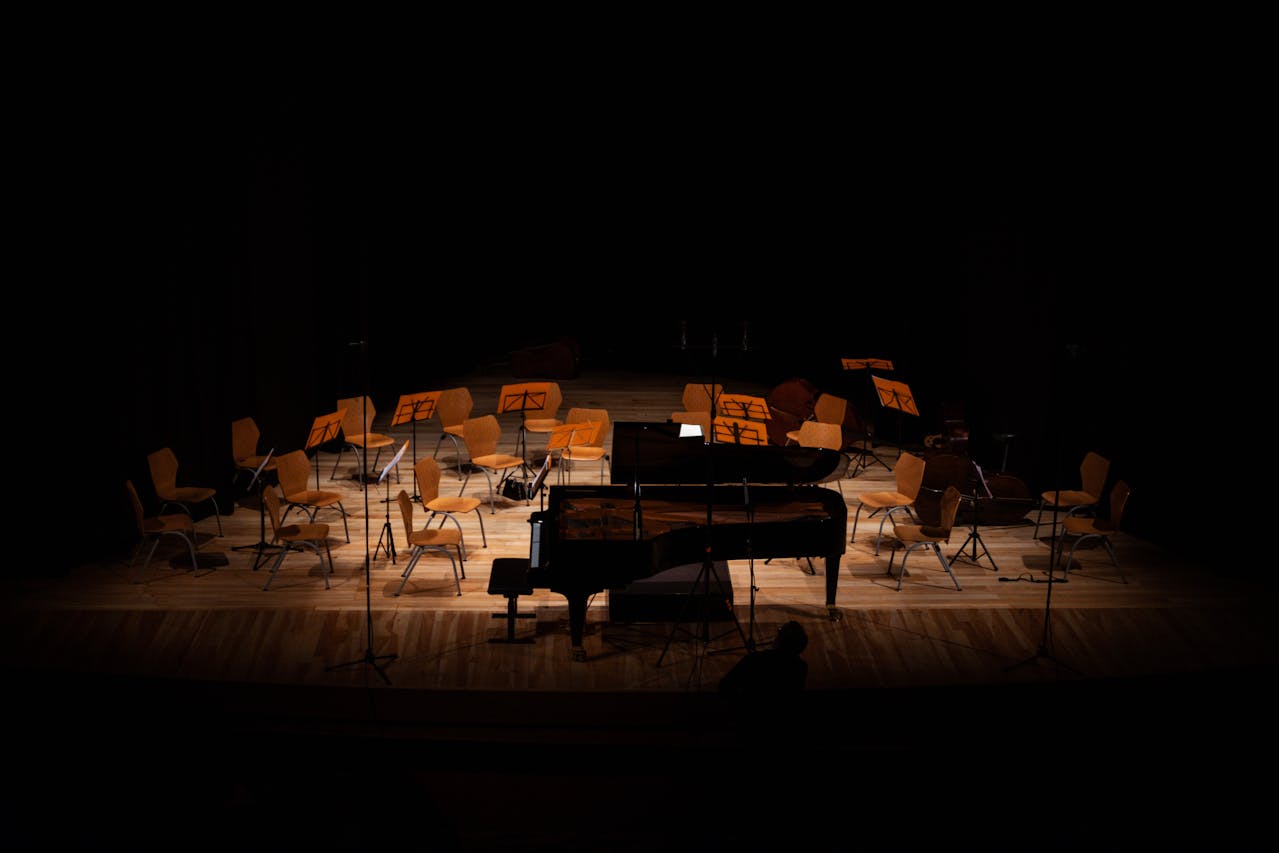
What Is Limelight? There was a time when the stage did not glow with electricity but with fire. Real fire. Actors did not just perform under lights, they stood inside a kind of controlled brilliance that hissed, burned, and demanded attention. Long before modern spotlights existed, a strange invention turned ordinary limestone into a blazing beacon, and in doing so, quietly slipped a phrase into our everyday language. Today, when we say someone is “in the limelight,” we are unknowingly echoing a theatrical trick from the 1800s, one that fused science, spectacle, and a touch of danger.
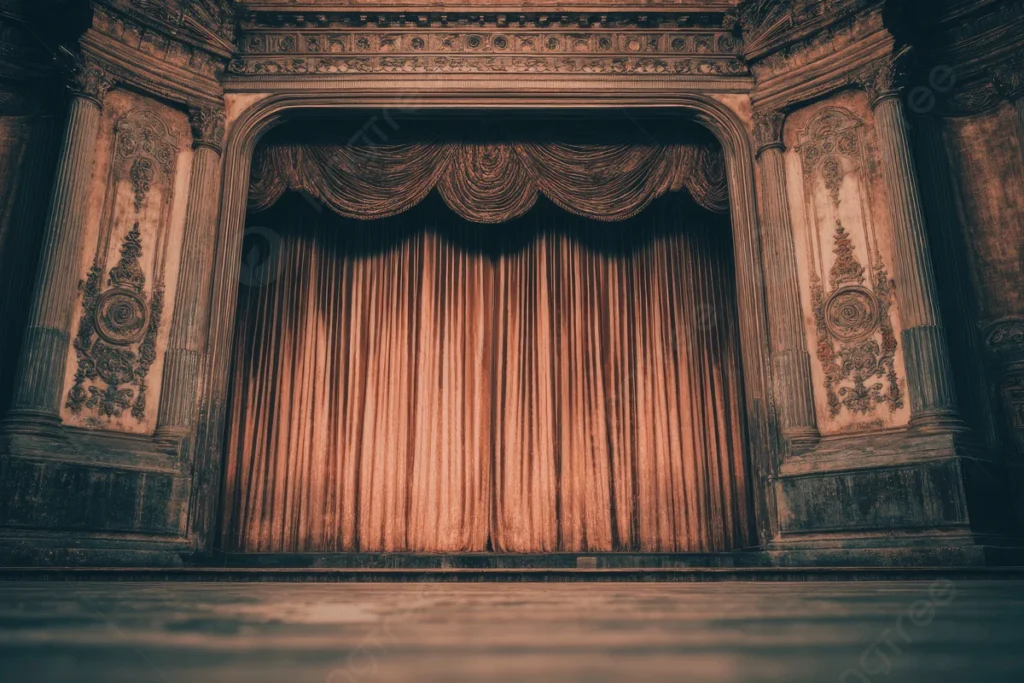
What Was Limelight In Theatre?
In the 19th century, theatre lighting was undergoing a dramatic transformation. Candles and oil lamps were unreliable, dim, and often more dangerous than helpful. Enter limelight, a technique that felt almost magical for its time.
Limelight worked by heating a piece of quicklime, or calcium oxide, using an intense flame produced by burning oxygen and hydrogen gases together. When heated to extremely high temperatures, the lime did not melt but instead glowed with a dazzling white light. Not a flicker, not a gentle glow, but a sharp, focused brilliance that could be directed precisely.
For the first time, theatre had something resembling a spotlight.
So, what is Limelight? It was not just illumination. It was emphasis. It told the audience exactly where to look.
A Stage That Glowed With Drama
Imagine sitting in a theatre in the 1800s. The room is dim, filled with murmurs and anticipation. Then suddenly, a beam of intense white light cuts through the darkness and lands on a single performer. Instantly, everything else fades. The actor becomes the centre of gravity.
That was the power of limelight.
It allowed directors to guide attention like never before. A hero’s monologue, a villain’s entrance, a tragic farewell, all could now be highlighted with precision. The stage transformed from a flat space into something dynamic and layered.
But there was a catch. Limelight was not exactly gentle technology.
What Is Limelight? The Danger Behind The Glow
The beauty of limelight came with risk. The process required handling gases and maintaining extremely high temperatures. Equipment could malfunction. Flames could flare unpredictably. Operators had to be skilled, careful, and perhaps just a little fearless.
In some cases, the light was so intense it could even be uncomfortable for performers if used too closely. Standing in the limelight was not just metaphorically intense. It was physically intense.
Yet, despite the risks, theatres embraced it. The effect was simply too powerful to ignore.
From Stage Technique To Everyday Phrase
Language has a habit of borrowing from life’s most vivid moments, and limelight offered exactly that.
Actors who stood under this brilliant beam were literally the focus of everyone’s attention. They were the ones the audience watched, admired, and remembered. Over time, people began to use the phrase beyond theatre.
“To be in the limelight” came to mean being:
- the centre of attention
- widely noticed or admired
- in public focus
The technical term slipped into conversation, shedding its scientific roots and becoming something poetic.
When Limelight Faded But The Phrase Stayed
As electricity made its grand entrance, theatre lighting evolved rapidly. Safer, more efficient electric spotlights replaced limelight. The fiery glow of heated lime quietly stepped off the stage.
But the phrase refused to leave.
Even today, in a world of LED panels and digital screens, we still say:
- celebrities are in the limelight
- leaders step into the limelight
- stories bring hidden figures into the limelight
The original technology may have faded, but its linguistic shadow still shines brightly.
Also Read: Why Friday The 13th Is Considered An Unlucky Day
Why This Story Still Feels Magical
There is something almost poetic about this origin story. A chunk of stone, heated until it glowed like a miniature sun, became a symbol of attention, fame, and visibility.
It reminds us that language is not just built from dictionaries. It is built from moments. From inventions. From the quiet intersections of science and art.
Limelight was not just a lighting technique. It was a storyteller in its own right, shaping how audiences saw performances and how future generations would describe attention itself.
The next time you hear someone described as being “in the limelight,” picture something far more dramatic than a modern spotlight. Picture a theatre alive with anticipation, a beam of fierce white light cutting through darkness, and an actor standing at its centre, glowing not just with talent but with literal fire.
A simple stone, a clever invention, and a stage full of stories came together to create a phrase that still lives with us today. And like all good theatre, it leaves behind a little bit of wonder long after the curtain falls.
Frequently Asked Questions (FAQs)
Q1. What does “in the limelight” mean today?
It means being the centre of public attention, often in a positive or high-profile way.
Q2. Was limelight really used in theatres?
Yes, it was widely used in the 19th century before electric lighting became common.
Q3. Why is it called limelight?
Because the light was produced by heating quicklime (calcium oxide) until it glowed brightly.
Q4. Was limelight dangerous?
It could be. The process involved high temperatures and combustible gases, requiring careful handling.
Q5. When did limelight stop being used?
It gradually disappeared with the rise of electric stage lighting in the late 19th and early 20th centuries.