

There are some health conditions that quietly become part of everyday life before a person even realises something is wrong. A missed period here. Sudden acne there. Weight gain that refuses to leave despite workouts, green tea, yoga, and every “miracle diet” the internet throws into the blender. For many women, these signs eventually point toward one condition: Polycystic Ovary Syndrome.
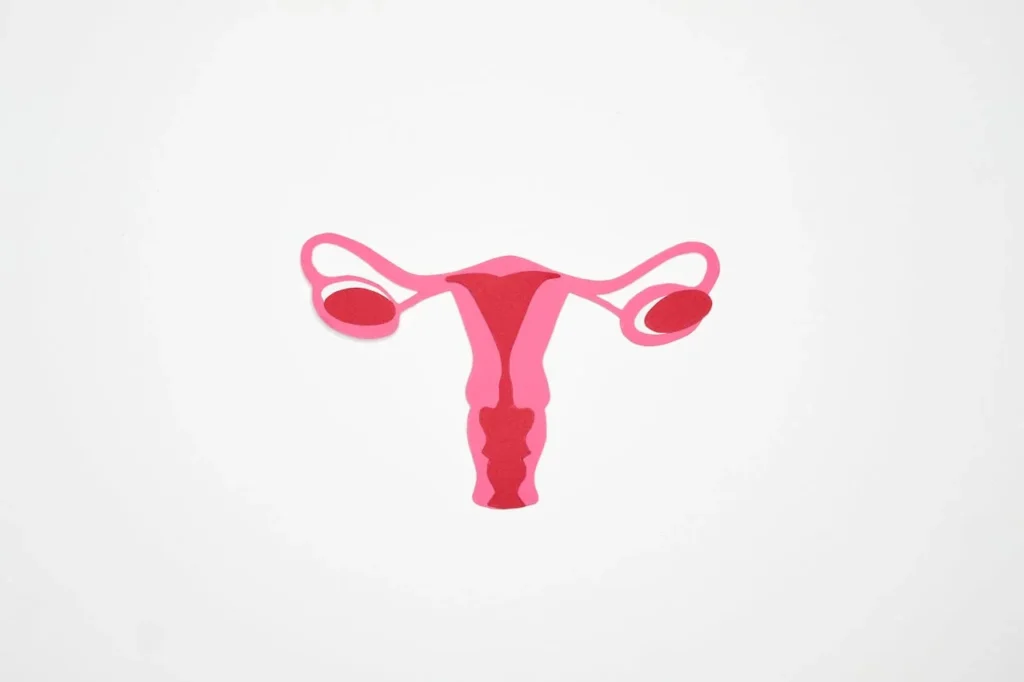
PCOS is one of the most common hormonal disorders affecting women during their reproductive years. Yet, despite how common it is, many people still misunderstand it. Some think it is only about ovarian cysts. Others believe it only affects fertility. In reality, PCOS is much more complex. It is a condition that can affect hormones, metabolism, skin, mental health, and overall wellbeing.
The good news is that PCOS can be managed successfully with the right care, lifestyle habits, and medical support. Understanding the condition is often the first and most important step.
What Is PCOS?
Polycystic Ovary Syndrome, commonly called PCOS, is a hormonal condition in which the ovaries produce higher-than-normal amounts of androgens. Androgens are often known as “male hormones,” but women naturally produce them too in smaller amounts.
When these hormones become imbalanced, the body starts reacting in different ways. Ovulation may become irregular, periods may stop coming regularly, and the ovaries may develop small fluid-filled sacs called cysts.
Despite the name, not every woman with PCOS actually has cysts in her ovaries. That is one of the biggest misconceptions about the condition. Doctors diagnose PCOS based on several symptoms and hormone-related signs, not only cysts.
Today, millions of women around the world live with PCOS. Some experience mild symptoms while others struggle with severe hormonal and metabolic changes.
Common Symptoms Of PCOS
PCOS does not look the same for everyone. For some women, the symptoms arrive slowly like uninvited guests. For others, they appear loudly and suddenly.
Here are some of the most common symptoms:
Irregular Periods
This is usually one of the earliest signs. Periods may become:
- Delayed
- Very light
- Extremely heavy
- Completely absent for months
Irregular ovulation caused by hormonal imbalance is often responsible for these changes.
Weight Gain
Many women with PCOS find it difficult to lose weight, especially around the abdomen. Even small weight gain can feel stubborn, almost like the body has switched into “energy-saving mode.”
Excess Hair Growth
High androgen levels may lead to unwanted hair growth on:
- Face
- Chin
- Chest
- Back
- Stomach
This condition is known as hirsutism.
Acne And Oily Skin
Hormonal imbalance can increase oil production in the skin, leading to acne that often continues well beyond teenage years.
Hair Thinning
While extra hair may grow on some parts of the body, scalp hair may start thinning. Some women notice hair fall similar to male-pattern baldness.
Difficulty Getting Pregnant
Since ovulation becomes irregular, conceiving naturally may become difficult for some women with PCOS.
Mood Changes
Many women with PCOS also experience:
- Anxiety
- Depression
- Low confidence
- Emotional stress
Living with visible symptoms and unpredictable hormones can sometimes feel emotionally exhausting.
What Causes PCOS?
Doctors still do not know the exact cause of PCOS, but several factors are believed to contribute to it.
Genetics: PCOS often runs in families. If a mother or sister has the condition, the chances may increase for other female family members.
Insulin Resistance: This is one of the biggest factors linked with PCOS.
Insulin is a hormone that helps the body use sugar for energy. In many women with PCOS, the body does not respond properly to insulin. As a result, the body produces more insulin, which may increase androgen levels and worsen symptoms.
It becomes a hormonal domino effect where one imbalance pushes another out of place.
Hormonal Imbalance
Women with PCOS often have abnormal levels of:
- Androgens
- Insulin
- Luteinising hormone (LH)
These imbalances interfere with normal ovulation.
Inflammation: Some research also suggests that low-grade inflammation in the body may contribute to increased androgen production.
How Is PCOS Diagnosed?
There is no single test that confirms PCOS instantly. Doctors usually look at a combination of symptoms, medical history, blood tests, and scans.
Diagnosis may include:
Physical Examination
Doctors may check:
- Weight changes
- Acne
- Hair growth patterns
- Skin darkening
Blood Tests
These help measure hormone levels and rule out other conditions.
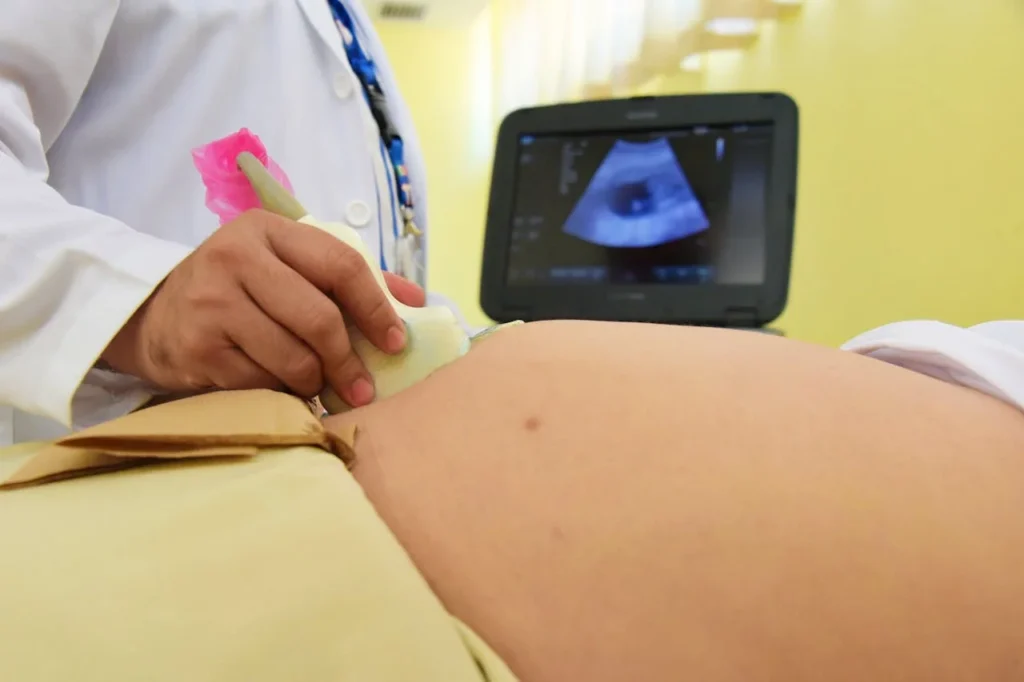
Ultrasound
An ultrasound may show enlarged ovaries or multiple small follicles.
Doctors commonly use something called the Rotterdam criteria for diagnosis. A woman may be diagnosed with PCOS if she has at least two of the following:
- Irregular ovulation
- High androgen levels
- Polycystic ovaries on ultrasound
Can PCOS Affect Fertility?
Yes, PCOS can affect fertility, but it does not mean pregnancy is impossible.
Many women with PCOS become pregnant naturally. Others may need medical assistance or lifestyle changes to improve ovulation.
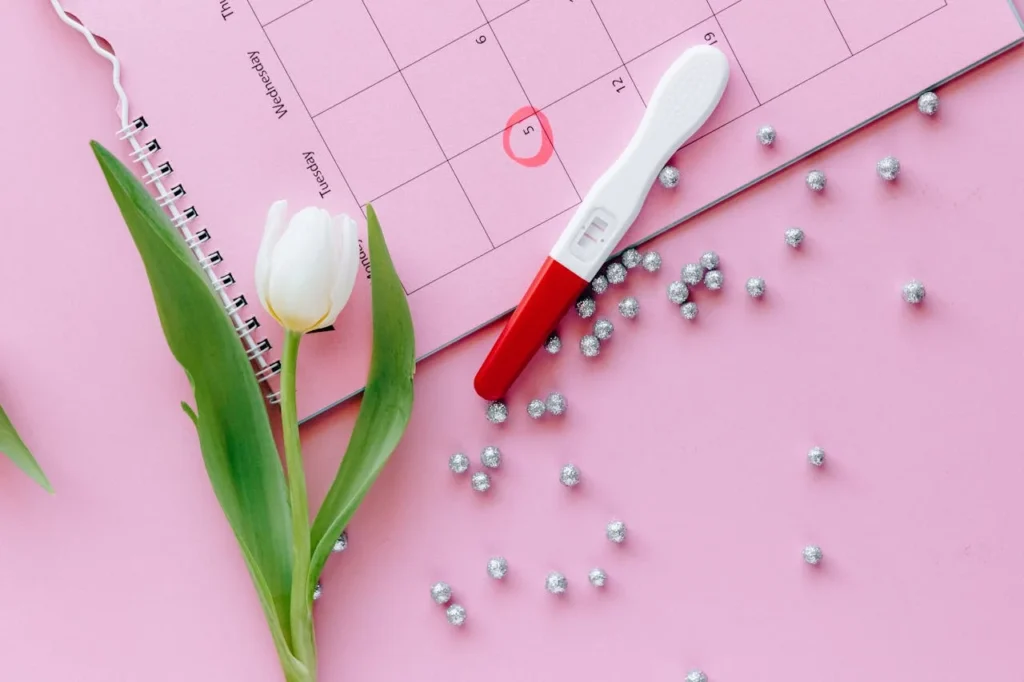
Since ovulation may not happen regularly, predicting fertile days becomes difficult. However, treatments today are highly advanced and effective.
Doctors may suggest:
- Weight management
- Ovulation-inducing medicines
- Hormonal treatments
- Fertility therapies if needed
For many women, even small lifestyle improvements can make a major difference.
Health Risks Linked With PCOS
PCOS is not only about periods and fertility. If left unmanaged, it may increase the risk of several long-term health conditions.
Type 2 Diabetes: Insulin resistance increases the risk of diabetes over time.
High Blood Pressure: Hormonal and metabolic changes may affect heart health.
High Cholesterol: Some women with PCOS develop unhealthy cholesterol levels.
Sleep Problems: Sleep apnoea is more common among women with PCOS, especially those who are overweight.
Mental Health Challenges: Living with chronic symptoms can impact emotional wellbeing and self-esteem.
This is why early diagnosis and proper management are important.

How Is PCOS Treated?
There is no permanent cure for PCOS yet, but symptoms can be managed very effectively.
Treatment usually depends on:
- Age
- Symptoms
- Health goals
- Whether pregnancy is planned
Lifestyle Changes: Doctors often recommend lifestyle changes as the first step.
Healthy Eating: balanced diet can help control insulin levels and maintain healthy weight.
Foods often recommended include:
- Whole grains
- Fruits
- Vegetables
- Lean protein
- Nuts and seeds
Reducing processed sugar and junk food may also help.
Exercise: Regular physical activity improves insulin sensitivity and supports hormone balance.
Even simple activities like:
- Walking
- Yoga
- Cycling
- Dancing in your bedroom like it is a Bollywood award show rehearsal
can help over time.
Medications: Doctors may prescribe medicines to:
- Regulate periods
- Reduce acne
- Control hair growth
- Improve fertility
- Manage insulin resistance
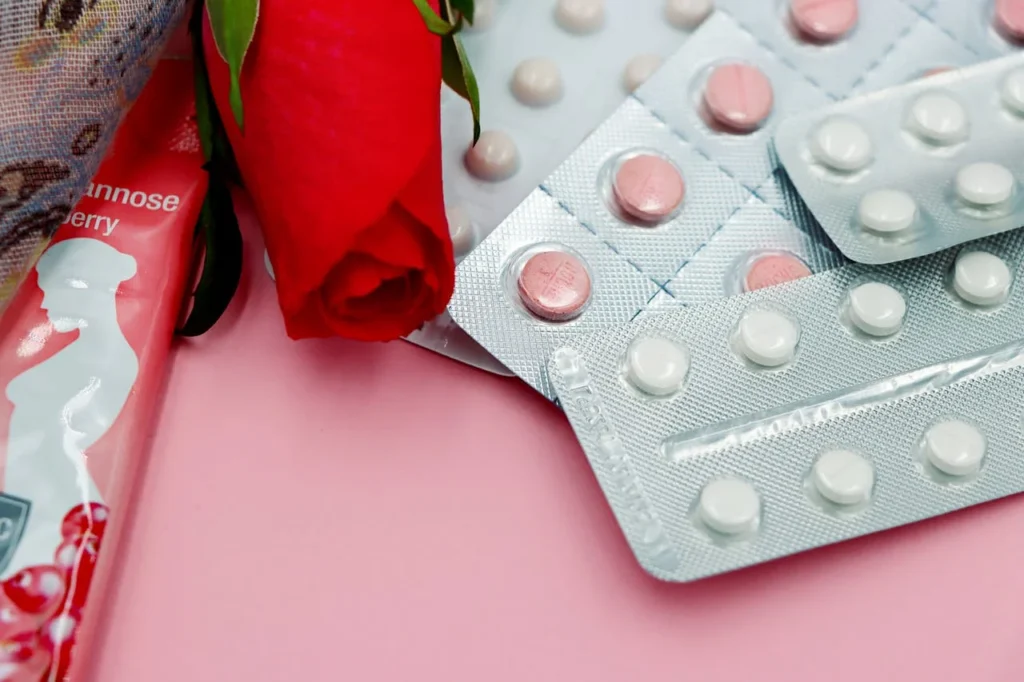
Birth control pills are commonly used to regulate hormones in women who are not trying to conceive.
Mental Health Support: Therapy, counselling, and emotional support are equally important. PCOS affects more than just the body.
Living With PCOS
Getting diagnosed with PCOS can feel overwhelming at first. Many women experience frustration, confusion, or fear about their future health and fertility.
But PCOS is manageable.
Thousands of women with PCOS lead healthy, active, and fulfilling lives. The key lies in understanding the body, seeking proper medical guidance, and building sustainable habits instead of chasing overnight fixes from social media trends and “detox teas” that sound like wizard potions.
Patience matters. Hormones rarely change overnight. Small consistent steps usually work better than extreme methods.
Also Read: Why You Should Always Have Travel Insurance When Travelling Abroad
In Conclusion
Polycystic Ovary Syndrome is a complex hormonal condition that affects millions of women worldwide. Its symptoms may include irregular periods, weight gain, acne, hair growth, fertility issues, and emotional stress. Although there is no permanent cure, the condition can be managed successfully through lifestyle changes, medical treatment, and regular monitoring.
The most important thing is awareness. Many women ignore symptoms for years, believing they are “normal” or temporary. Early diagnosis can help prevent long-term complications and improve quality of life significantly.
PCOS may change how the body behaves, but it does not define a woman’s strength, health, or future.
Frequently Asked Questions (FAQs)
Q1. Is PCOS curable?
There is no permanent cure, but symptoms can be controlled effectively with treatment and lifestyle changes.
Q2. Can women with PCOS get pregnant?
Yes, many women with PCOS can conceive naturally or with medical support.
Q3. Does PCOS always cause weight gain?
No, some women with PCOS maintain average weight and still experience symptoms.
Q4. At what age does PCOS usually start?
Symptoms often begin during teenage years or early adulthood.
Q5. Is PCOS dangerous?
PCOS itself is manageable, but untreated PCOS may increase risks of diabetes, heart disease, and infertility.