
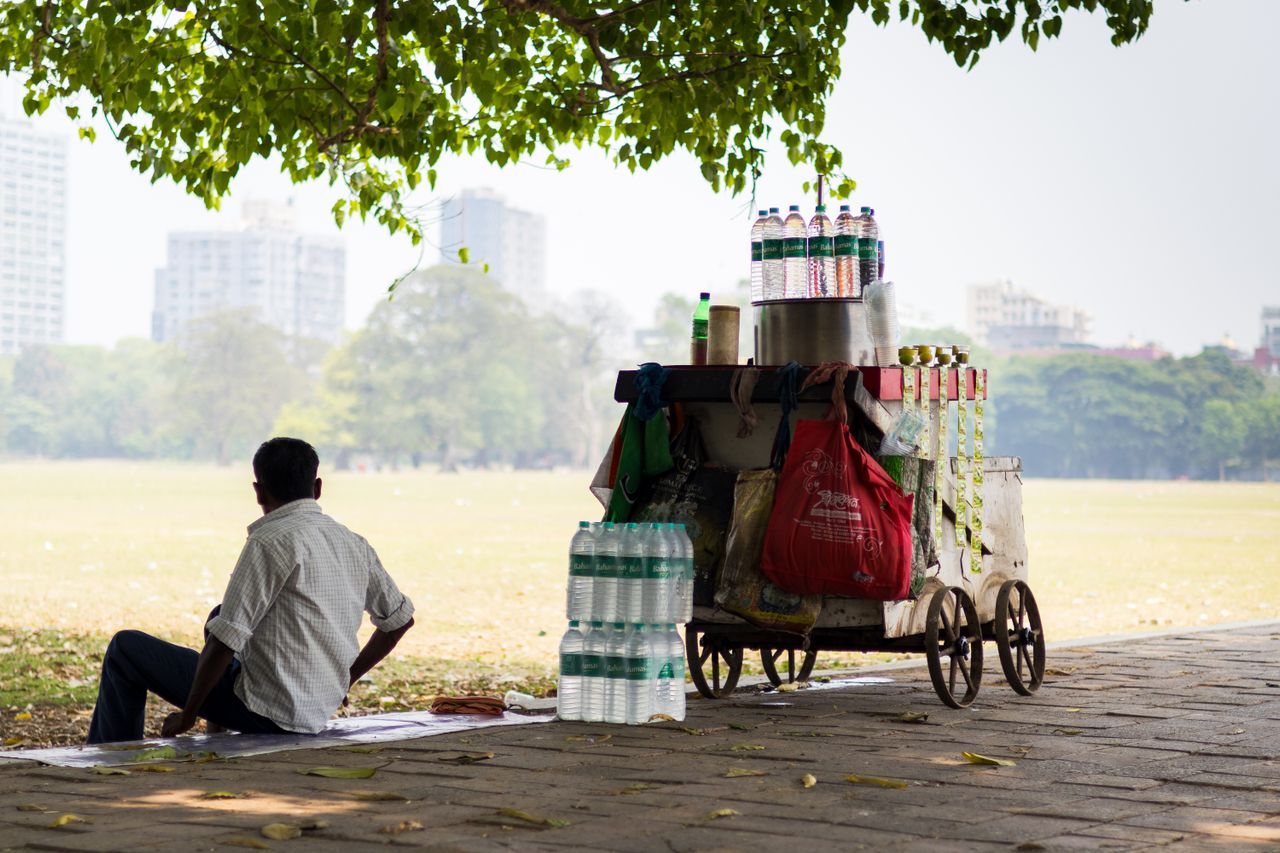
Summers are here, and the entire northern hemisphere is going through the fiery heat waves. As per the recent reports, all the 100 hottest cities in the world are currently in the Indian subcontinent. There have been constant reminders of heat waves and a sudden rise in temperature around the country. In such a situation, the peak hours of summer are burning hot. People are reporting cases of heat strokes, nausea, and severe dehydration. Be it humans or flora and fauna, all are deeply affected by the rise in temperature. Let’s learn more about why cities so hot in India.
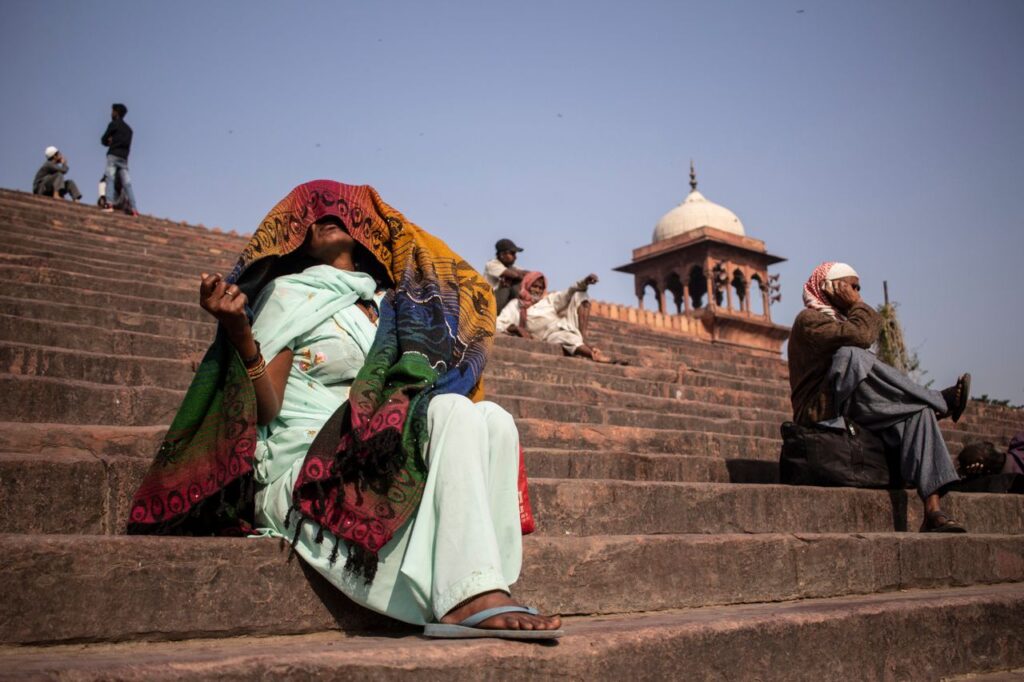
While many are blaming deforestation, reduction in green cover, and rapid increase in the “concrete jungle”, there have been a significant number of factors that have been the core reasons behind this. In addition to this, countermeasures to face this heat are also trending as we are just halfway through the summer season in India, and the conditions are very alarming in many cities. But the questions again come to block one. Why is this happening at such intensity? Well, let’s find out:
Why are the summers in India getting hotter?
The summers in India being so hot have many reasons. The climatic conditions, geographical location, density of population, rise in industries, expansion of urban areas, reduction of forest cover, and many more reasons play a very significant and crucial role. Some of the major reasons are as follows:
Change in global climate
The hot summers are not limited only to the Indian subcontinent. It has become a major problem worldwide. Many countries like Australia, Mexico, the USA, Brazil, Ethiopia, and Sudan have recorded an alarming rise in temperature. This has also affected the sea currents and the movement of global air currents more toward the equator than away from it. This major climatic transition is becoming a major reason for the rise in global temperature.
Global Warming
Rise in the CO2, Methane, and Flourine gases has caused the rise in global temperature, also affecting the Indian Subcontinent. An increase in pollution and still a major dependency on fossil fuels and non-renewable sources of energy and fuel is causing an increase in the heat level of our planet. Also, the increasing of the population and consumption of resources is adding to this issue.
Urban heat island effect
The urban areas, especially the metro cities and cosmopolitan areas, are facing the issue of high heat and an increase in temperature as compared to rural areas. Increase in concrete construction, lack of proper percolation of rainwater in the ground, reduction in forests and green areas in cities, and emissions by vehicles and industries, which add to the rise in temperature of a specific area, are termed as “Urban Heat Island Effect”. Many environmentalists and climate experts have shared their concerns about addressing this issue in an effective way.
Expansion of industries
The industrial revolution and the recent increase in the gloabalisation is playing a very important role in the rise of the temperature. Especially in developing countries like India, this expansion is going at a very alarming rate. Major of the industries are emitting harmful gases and using a significant amount of water as coolant due to the excess heat generated. This may be termed as the development and evolution, but it is coming at the cost of well-being and the natural climatic cycle of the Earth.
Rise in Humidity levels
It’s a very paradoxical factor, but experts have raised serious concerns about addressing of this factor. As the global temperature is rising, it is leading to the melting of the polar caps and increasing the water content in waterbodies as well as in the environment. Now, as the humidity is increasing, the perspiration is not drying out. Hence, the bodies are not getting cooled down, making it difficult for people to survive in the summer, mainly in coastal areas.
Reduced forest cover
Due to a rise in the industrial revolution, industrial expansion, and an increase in the consumption of natural resources, the forest cover in India and many countries has significantly depleted. This has caused the rise in temperature due to disturbance in the water cycle and climatic differentiation. Besides this, forests and green covers in the urban and rural areas are known to hold the humidity, reducing the temperature and heat in an area.
Countermeasures to be undertaken
Proper use of non-renewable resources, improving the green cover through mass-scale plantation, and creating a coexisting ecosystem that includes modern technologies with natural habitat is the ideal approach to address and resolve these issues.
Some Indoor plants that you can use in your home to cool it down
In the urban areas and metro cities, maintaining a green cover and planting trees is not possible for all. This is where the indoor plants become the rescue. Using some indoor plants to tackle the heat is a much better option. These are a low-maintenance and highly effective way to beat the heat this summer.
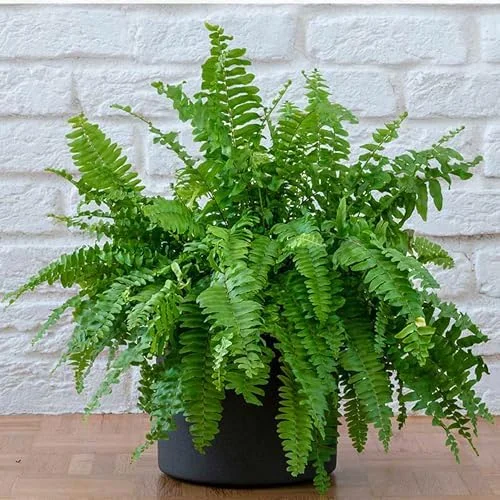
Boston Fern
Known to be highly resilient, this indoor plant is low maintenance and works as a natural humidifier, moisture enhancer, and air purifier in apartment and flat setups. They also add to the greenery of an urban setup cost-effectively.
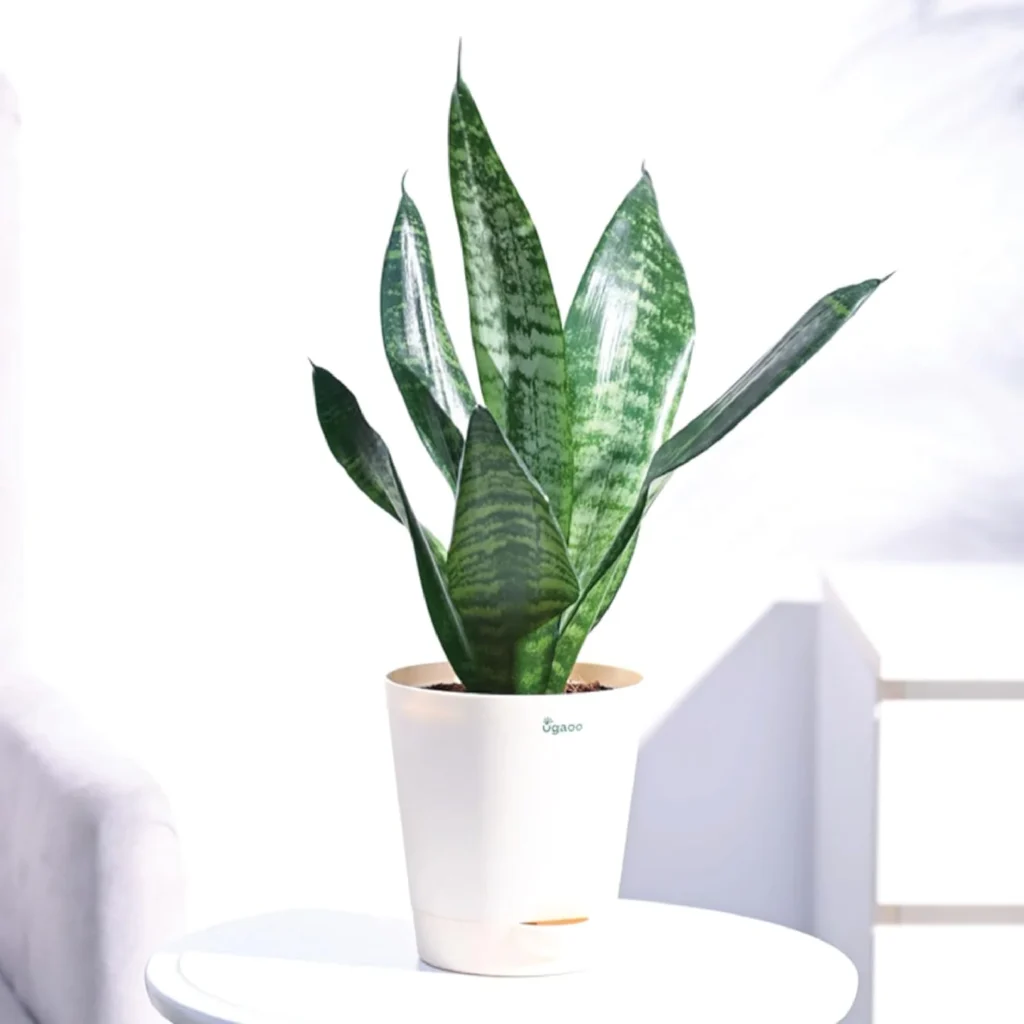
Snake Plant
Known as “Natural Air Purifier”, Snake Plant will help not only in reducing the pollution and bad environment indoors, but also help in keeping the rooms cool and humid. Also, they can thrive in less water in a warm environment, making them ideal for a working family.
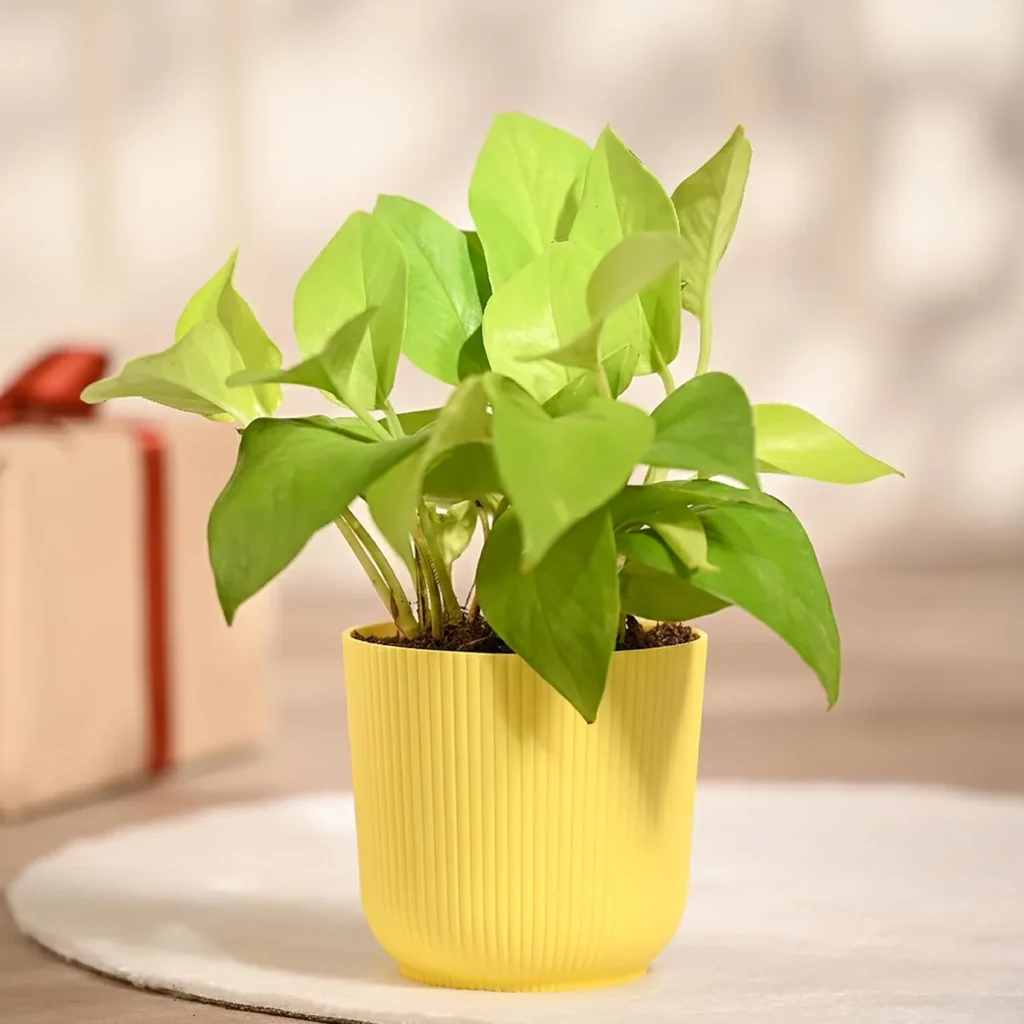
Money Plant
Often referred to as the “evergreen creeper”, this plant helps not only in improving the green cover but also acts as a good absorber of the pollutants in the air. A good foliage of moneyplant can act as a resisting wall against heat and warm air, keeping the area cool and the temperature low.
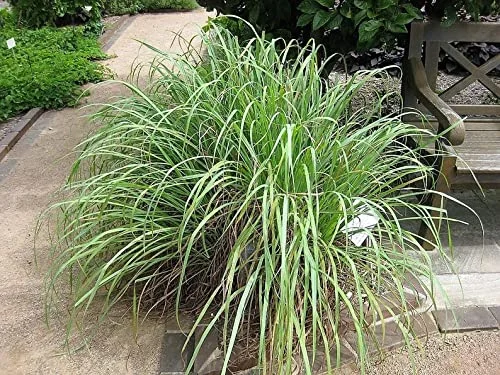
Lemon Grass
Grown as a herb, this plant is a “multi-tasker”. It keeps the room fresh and fragrant, repells mosquitos, cleans the indoor environment from pollutants, and reduces the room temperature.
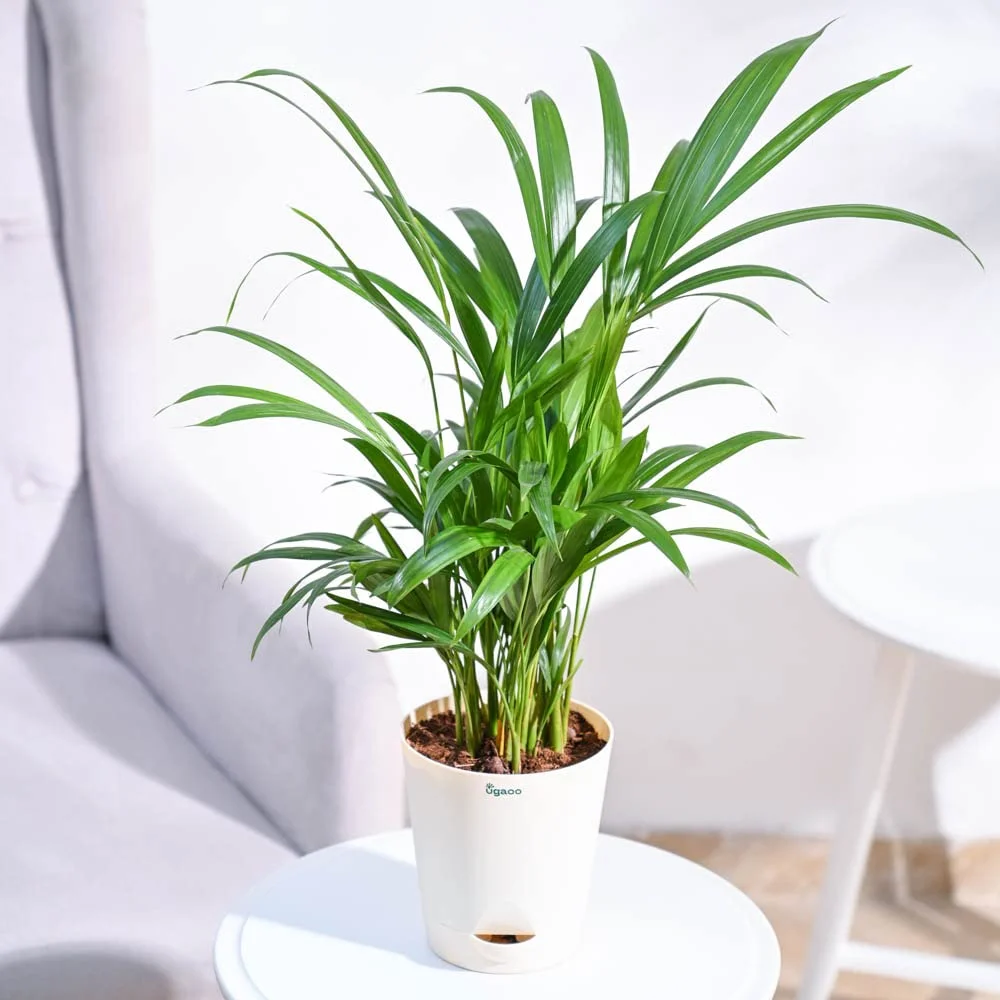
Areca Palm
Can be kept indoors in halls, lobbies and even gardens, this plant is very resistant to heat and parasites. It keeps the surroundings cool and humid with low need of water and care.
In conclusion, the rising temperatures in Indian cities are a complex issue driven by a combination of global climate change and local urban challenges. While the situation is alarming, it is not insurmountable. By adopting conscious lifestyle changes, such as integrating more indoor plants to naturally cool our living spaces and implementing broader sustainable practices like water conservation and urban greening, we can collectively work towards mitigating the heat. Addressing this crisis requires a balanced approach where modern development coexists harmoniously with nature, ensuring a cooler and more sustainable future for our cities.
Frequently Asked Questions (FAQs)
Q1. What other measures to reduce the temperature in cities?
Regular water logging, using mist generators, and vehicle pooling are some of the options that can be undertaken to reduce temperature.
Q2. Do terrace gardens reduce heat in homes?
Yes, terrace gardens are known to significantly absorb direct heat and keep the indoors cool and the temperature low.
Q3. How to grow plants in limited space?
Hydroponics and pot farming are the best options to grow plants with limited space and resources.