
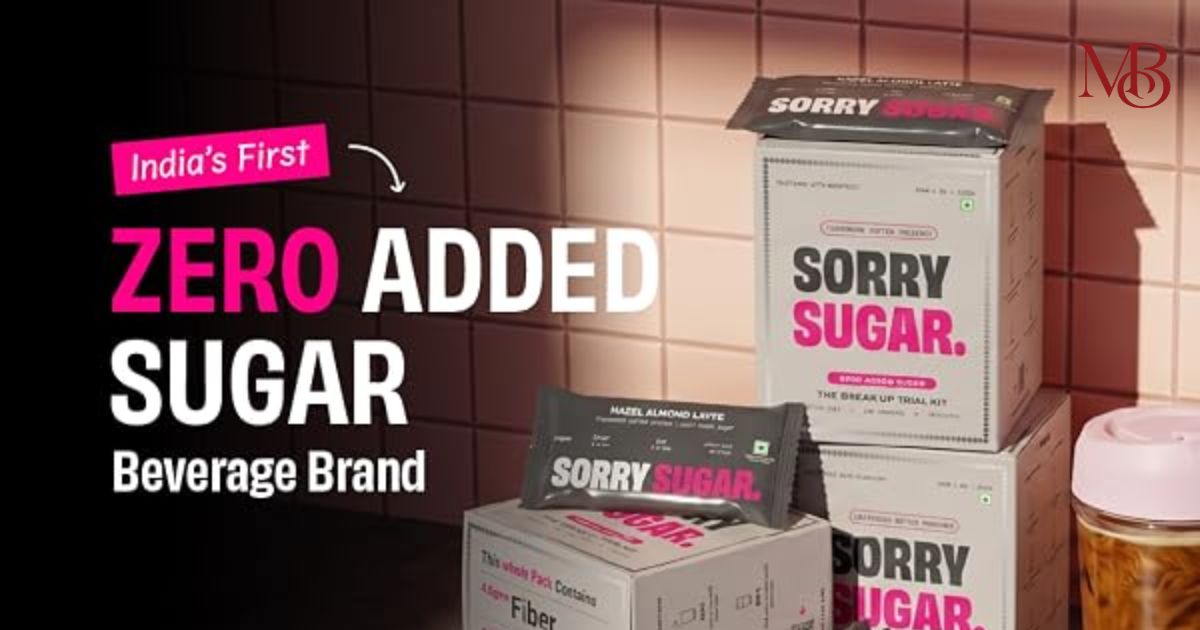
Coffee has become a daily ritual for millions of people. Whether it’s a morning cappuccino before work, a creamy latte during an afternoon break, or a flavoured coffee shared with friends, the beverage has become part of modern lifestyles. Yet, one concern often follows every sip: the amount of sugar hidden inside these café favourites. For many consumers, the choice has long been frustrating. They could either enjoy their favourite coffee drinks and compromise on health or choose plain, unsweetened beverages that lacked the café experience they loved.
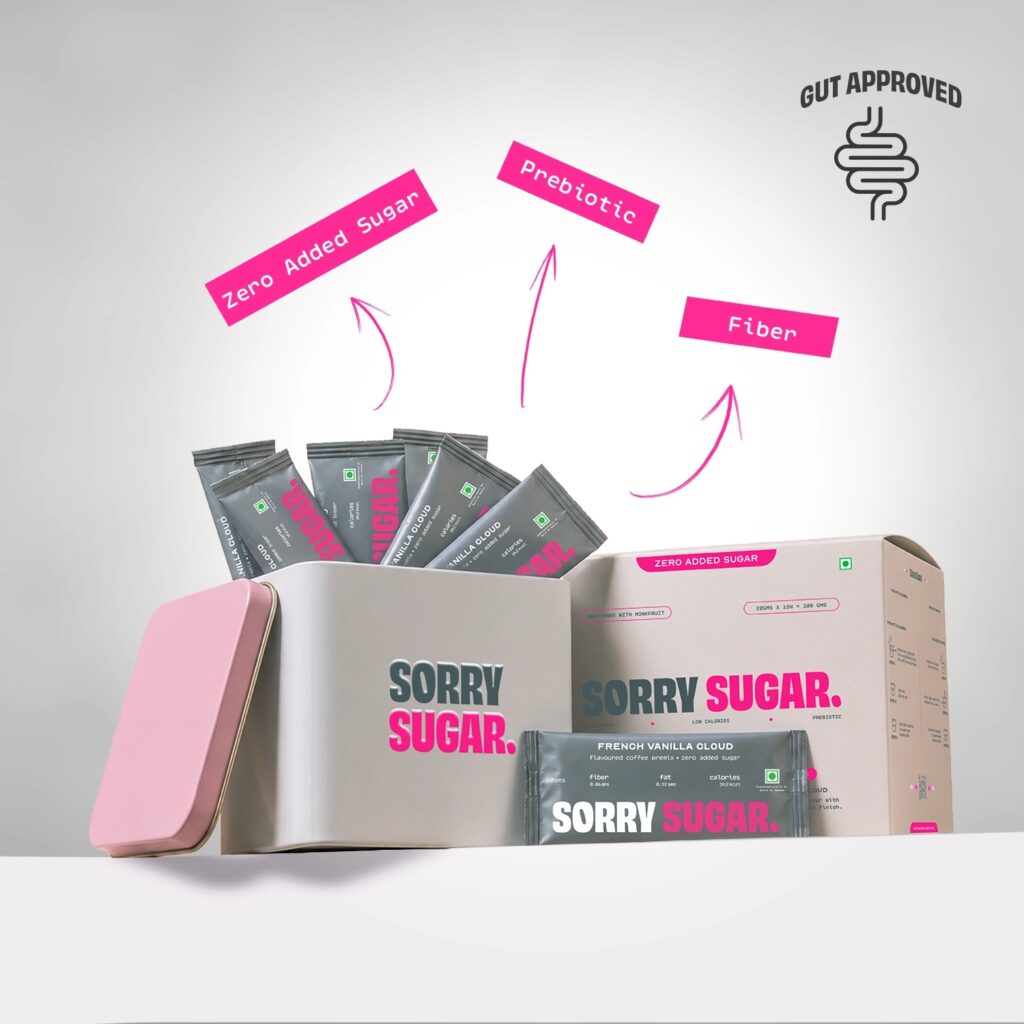
Coffee Without the Guilt? That’s the Idea Behind Sorry Sugar
Coffee has become a daily ritual for millions of people. Whether it’s a morning cappuccino before work, a creamy latte during an afternoon break, or a flavoured coffee shared with friends, the beverage has become part of modern lifestyles. Yet, one concern often follows every sip: the amount of sugar hidden inside these café favourites. For many consumers, the choice has long been frustrating. They could either enjoy their favourite coffee drinks and compromise on health or choose plain, unsweetened beverages that lacked the café experience they loved. Sorry Sugar believes that choice shouldn’t exist.
Founded by Deepak Pathak and Kunal Verma, the brand is built on a simple yet ambitious vision: create delicious café-style beverages without added sugar while encouraging people to reconnect through genuine conversations. The founders believe coffee should not only taste great but also bring people together in an increasingly distracted world. Their journey is about much more than launching another coffee brand. It is about changing how people experience coffee itself.
Meet the Founders: Deepak Pathak and Kunal Verma
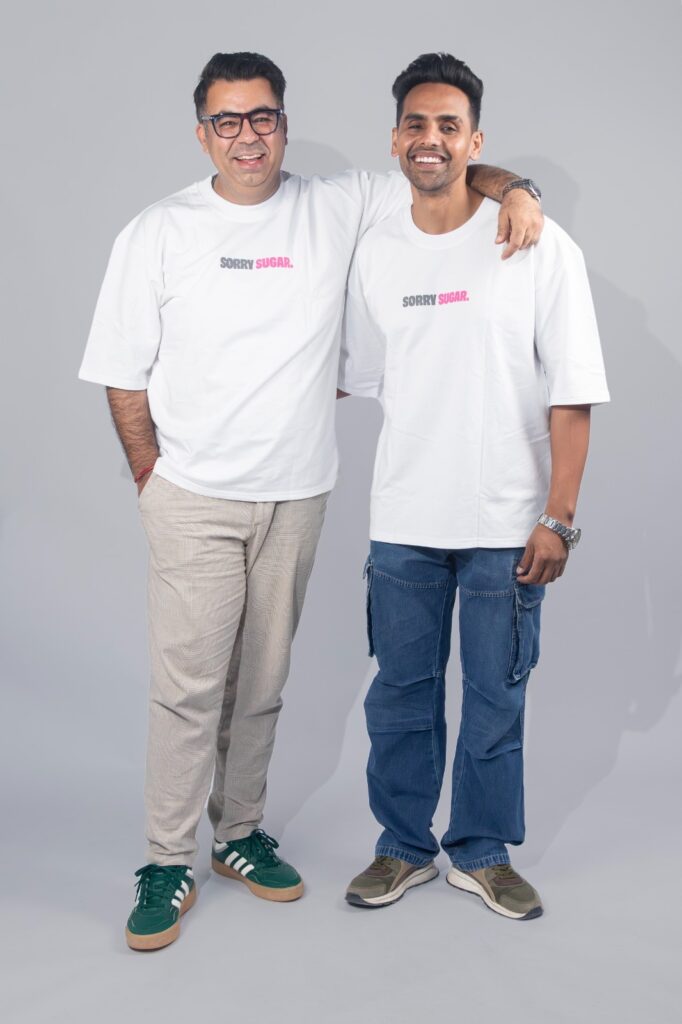
Every successful brand begins with an observation, and for Deepak Pathak and Kunal Verma, that observation came from everyday life. They noticed that consumers were becoming increasingly health-conscious. More people were checking nutrition labels, reducing sugar intake, and looking for healthier alternatives. However, when it came to flavoured coffee beverages, the options remained limited. People who wanted cappuccinos, lattes or indulgent café drinks usually had to accept high sugar content. Those avoiding sugar often settled for plain black coffee or beverages that felt like a compromise.
The founders questioned why consumers had to choose between taste and wellness. Instead of accepting the status quo, they decided to build a solution. That decision eventually became Sorry Sugar, a brand dedicated to proving that healthier coffee can still be rich, creamy and enjoyable.
A Brand Born From One Powerful Question
The idea behind Sorry Sugar can be summed up in a single thought:
Why should anyone have to give up the drinks they love simply because they want to reduce sugar?
That question guided every stage of the company’s development. Rather than creating another health product aimed only at fitness enthusiasts, Deepak and Kunal wanted to develop beverages that anyone could enjoy. Their goal was to recreate the familiar café experience while eliminating the guilt often associated with sugary drinks. The focus remained on creating products that consumers would genuinely want to order again, not because they were healthy, but because they tasted exceptional. According to the founders, flavour always came first.
Four Years of Research Before the First Cup
Launching a beverage brand may sound straightforward, but the journey behind Sorry Sugar took patience. Before introducing their products to customers, the founders spent nearly four years refining recipes, experimenting with ingredients and gathering consumer feedback. Every formulation went through multiple rounds of testing. Different flavour combinations were evaluated. Consumer preferences were studied. Recipes were adjusted repeatedly until the team felt confident they had achieved the right balance between taste and nutrition.
Instead of rushing into the market, Deepak and Kunal chose to invest time in research and development. That careful approach helped shape products that could stand alongside traditional café beverages while offering a healthier nutritional profile. For the founders, success wasn’t about being first. It was about getting the product right.
Why Monk Fruit Became the Star Ingredient
One of the defining features of Sorry Sugar is its use of monk fruit as a natural sweetening solution. Unlike conventional sugar, monk fruit allows the brand to create sweet-tasting beverages without adding sugar to the recipe. The founders saw this as an opportunity to offer customers something different. Instead of asking people to sacrifice sweetness altogether, they wanted to recreate the familiar taste people expect from café beverages while reducing one of the biggest concerns surrounding packaged drinks.
This approach has also made the products attractive to many consumers looking for diabetic-friendly alternatives or simply trying to reduce their daily sugar intake. For Deepak and Kunal, monk fruit wasn’t just another ingredient. It became a cornerstone of the brand’s identity.
Great Coffee Should Be for Everyone
One interesting aspect of Sorry Sugar’s philosophy is that the founders never wanted the brand to feel exclusive. Health-focused products sometimes carry the perception that they are meant only for athletes or people following strict diets. Sorry Sugar takes a different approach. Its beverages are designed for anyone who enjoys coffee.
Whether someone is trying to cut down on sugar, exploring healthier choices, or simply looking for a delicious cup of coffee, the founders believe everyone deserves an enjoyable experience without compromise. That inclusive thinking continues to shape both the products and the brand’s personality.
Bringing the Café Experience Home
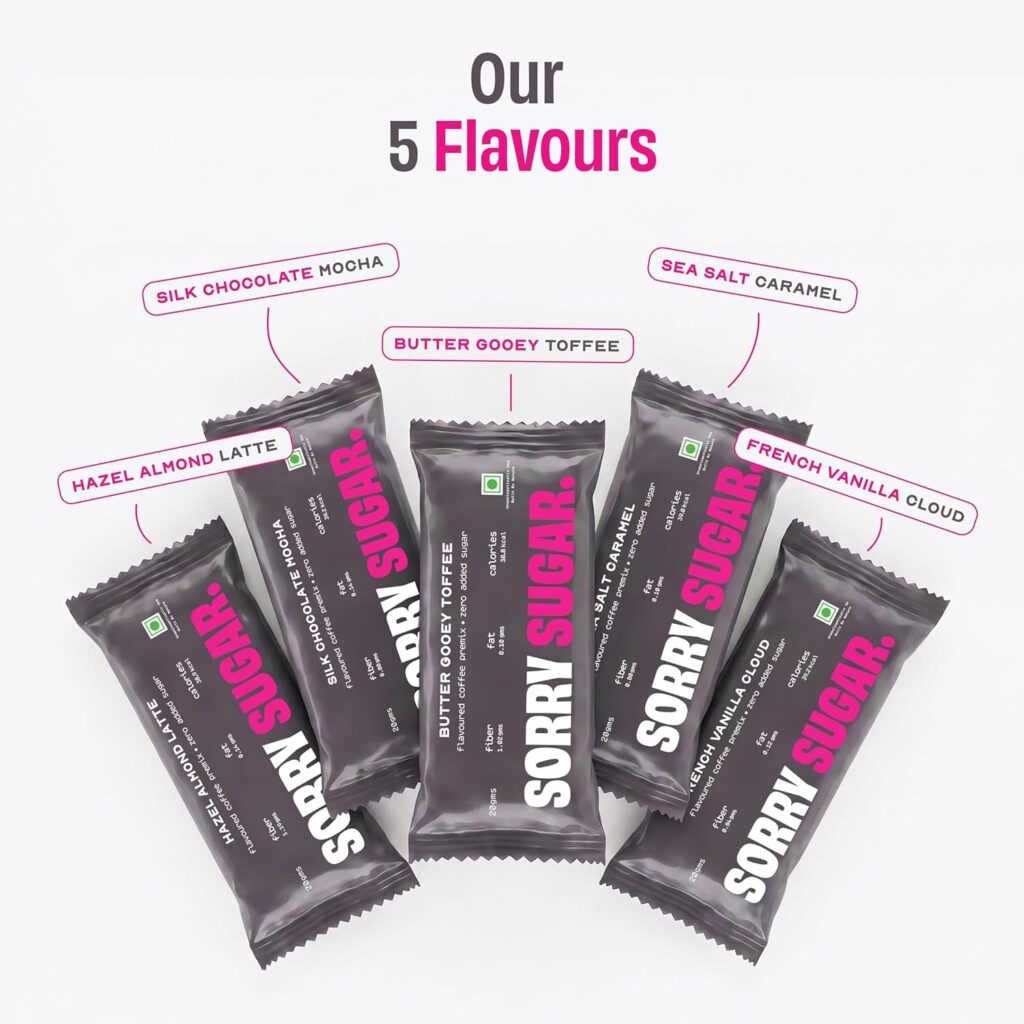
While physical outlets remain an important part of the company’s journey, Deepak Pathak and Kunal Verma also recognised that not every customer would have immediate access to a Sorry Sugar café. To bridge that gap, the company introduced café-style coffee premixes. These premixes are designed to recreate the same signature flavours people enjoy at Sorry Sugar outlets, allowing customers to prepare café-style beverages in the comfort of their own homes.
Consistency has been a major priority throughout the product development process. Whether someone orders a drink at an outlet or prepares one in their kitchen, the founders want the experience to remain familiar and satisfying. The premix range also allows the brand to reach consumers across India, even in cities where physical outlets are yet to open.
More Than a Café: Why Sorry Sugar Calls Itself an “Adda”
Walk into a typical café today, and you’re likely to find people working on laptops, attending virtual meetings, or scrolling through their phones. While cafés have become convenient workspaces, Deepak Pathak and Kunal Verma believe something important has quietly faded in the process: genuine human interaction. That belief inspired one of the most distinctive aspects of Sorry Sugar’s identity.
Rather than calling it just another café, the founders describe it as an “adda.”
In Indian culture, an adda is much more than a place to have tea or coffee. It is where conversations flow naturally, ideas are exchanged, friendships grow stronger, and memories are created. It is a space where people spend time together without feeling rushed. For the founders, this philosophy lies at the heart of the brand.
They envision a place where friends can laugh over coffee, families can enjoy quality time together, and strangers can turn into acquaintances through meaningful conversations. The coffee may bring people through the doors, but it is the experience that encourages them to stay.
Bringing Back Meaningful Conversations
Deepak and Kunal often speak about the way technology has changed social interactions. While smartphones and social media have made communication easier than ever, they have also reduced the amount of uninterrupted face-to-face conversation many people enjoy. Coffee breaks are often filled with endless scrolling instead of engaging discussions.
Sorry Sugar wants to offer an alternative. The brand encourages customers to put their devices aside, even if only for a little while, and reconnect with the people sitting across the table. Whether it is a casual catch-up, a brainstorming session, or simply sharing stories after a busy day, the founders believe these small moments matter. In many ways, Sorry Sugar is selling an experience as much as it is selling coffee.
Designed With Gen Z in Mind
Today’s consumers, especially Gen Z, are changing the way brands think about food and beverages. This generation pays closer attention to ingredient lists, nutrition labels, and product transparency. They are willing to explore healthier alternatives, but they also expect those products to taste great and reflect their lifestyle. Deepak Pathak and Kunal Verma saw this shift early.
They designed Sorry Sugar’s branding, product range, and customer experience to resonate with younger consumers who appreciate wellness, authenticity, and convenience. At the same time, the founders are careful to point out that Sorry Sugar is not exclusively for Gen Z. Their vision is intentionally inclusive.
A college student, a working professional, parents, grandparents, and children should all feel equally comfortable sharing the same table. The founders believe coffee has always been a universal connector, and they want their brand to reflect that spirit.
A Vision That Goes Beyond Coffee
For many startups, success is measured by the number of products sold. For Sorry Sugar, success is also measured by the community it creates. The founders hope every outlet becomes a neighbourhood gathering place where conversations happen naturally, creativity flourishes, and relationships become stronger.
That philosophy influences everything from the atmosphere of the outlets to the products themselves. By combining healthier beverages with welcoming spaces, the brand aims to create memories rather than simply transactions.
Also Read: If you have million dollars then how many Rolls Royce will you buy? – Maestro Somesh Mathur
Looking Ahead
After spending nearly four years perfecting recipes and understanding consumer preferences, Deepak Pathak and Kunal Verma believe the brand is now ready for its next chapter. Expansion remains a key priority. As awareness of healthier beverage choices continues to grow, the founders plan to bring Sorry Sugar to more cities and reach a wider audience through both physical outlets and retail products.
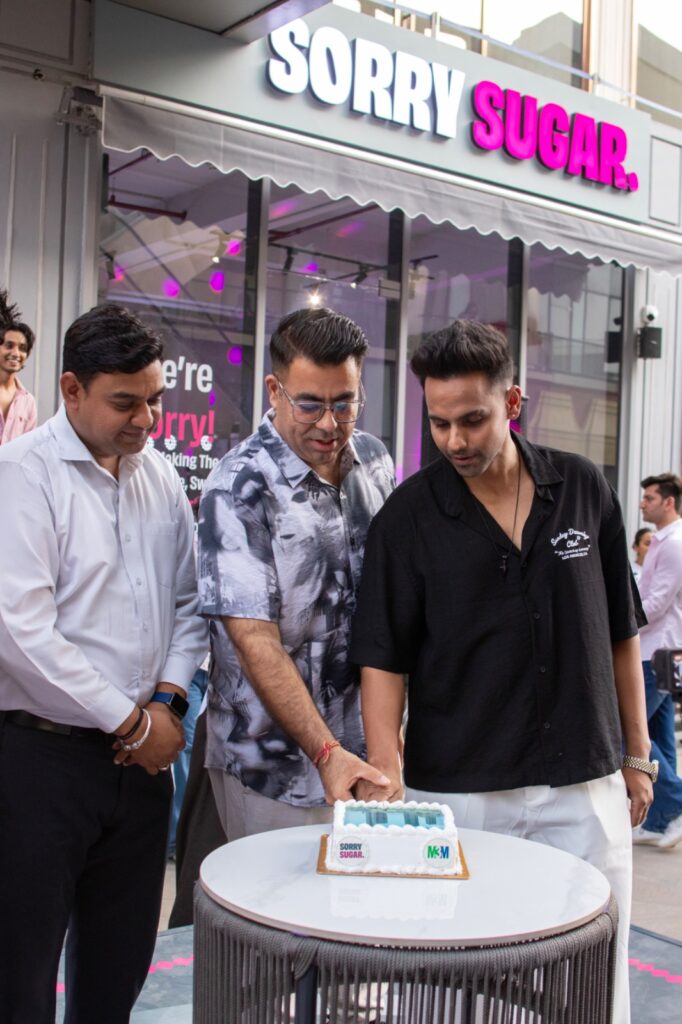
The company also hopes to strengthen its café premix business, making its signature beverages easily accessible to coffee lovers across India. While growth is important, the founders insist they do not want to lose sight of the principles that inspired the brand in the first place: exceptional taste, zero added sugar, and meaningful human connection.
📍 Where Is Sorry Sugar Located?
Head Office/Brand Location:
R7 LG34, M3M 65th Avenue, Sector 65, Gurugram, Haryana 122101
Sorry Sugar is steadily expanding its presence through dedicated outlets while also reaching customers nationwide with its range of café-style coffee premixes. As the brand grows, it aims to establish more locations where customers can enjoy its signature beverages and experience the welcoming atmosphere that defines the Sorry Sugar philosophy.
Follow Sorry Sugar on Instagram
Stay updated with the latest product launches, café openings, behind-the-scenes moments, and exciting offers by following Sorry Sugar on Instagram.
Official Instagram:
👉 @sorrysugar.official
Whether you’re looking for new coffee flavours or updates on upcoming outlets, Instagram is the best place to keep up with the brand’s journey.
Buy Sorry Sugar Coffee Premix Online
Want to enjoy a café-style coffee without leaving home?
Sorry Sugar’s coffee premixes let you recreate your favourite beverages in just a few minutes. Simply add hot water or milk, stir well, and enjoy the same signature taste that the brand is known for.
Click and buy on Amazon:
Final Thoughts
Sorry Sugar is more than another entrant in India’s growing coffee market. It represents a different way of thinking about beverages, one that refuses to compromise between flavour and wellness. With zero-added-sugar café-style drinks, monk fruit as a natural sweetener, thoughtfully developed coffee premixes, and an emphasis on creating spaces that encourage real conversations, Deepak Pathak and Kunal Verma are building a brand that stands out for reasons beyond its menu.
Their vision is refreshingly simple: people should be able to enjoy the coffee they love without feeling guilty about sugar, and they should have a place where conversations matter more than notifications.
As the brand expands into new cities and reaches more households across India, it will be interesting to see how consumers respond to this blend of healthier choices, café culture, and community. If the founders succeed in preserving both quality and their original philosophy, Sorry Sugar could become much more than a coffee brand. It could become the adda that modern India has been waiting for.
Frequently Asked Questions (FAQs)
1. Who are the founders of Sorry Sugar?
Sorry Sugar was founded by Deepak Pathak and Kunal Verma, who created the brand to offer delicious café-style beverages without added sugar while promoting meaningful conversations.
2. What makes Sorry Sugar different from other coffee brands?
The brand combines zero-added-sugar coffee beverages, monk fruit-based sweetness, and the concept of an “adda,” where people can enjoy coffee and connect without distractions.
3. Does Sorry Sugar sell coffee premixes?
Yes. Sorry Sugar offers café-style coffee premixes that allow customers to prepare their favourite beverages at home with the same signature taste.
4. Is Sorry Sugar suitable for people reducing their sugar intake?
The brand’s beverages are made with zero added sugar and use monk fruit as a sweetening solution, making them a suitable option for consumers looking to reduce sugar consumption.
5. Where can I buy Sorry Sugar products?
Customers can purchase Sorry Sugar coffee premixes through the brand’s official channels and online marketplaces such as Amazon, depending on product availability.